


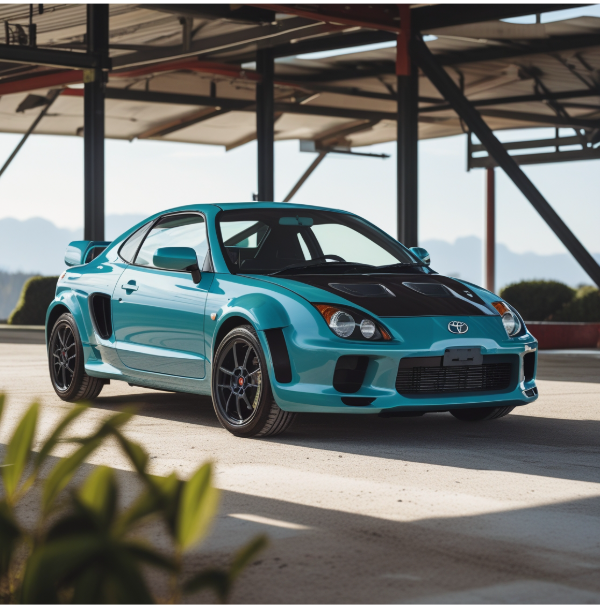
The Toyota MR2 is a fun mid-engine sports car that car lovers have enjoyed for decades. If you’re thinking about getting one, you’re in for a treat. These cars are known for being fun to drive, affordable, and great performers. Let’s look at what makes the MR2 special and what you need to know before you buy one. With its unique mid-engine layout, responsive handling, and Toyota reliability, the MR2 offers a driving experience that’s hard to match for the price. Whether you’re new to sports cars or an experienced enthusiast, understanding the MR2 will help you make a good choice and maybe find your dream car.
Key Things to Remember When Buying an MR2
Key Points to Consider When Buying a Toyota MR2
- Research the three generations: AW11 (1984-1989), SW20 (1989-1999), ZZW30 (1999-2007)
- Inspect for rust, especially in older models
- Check service history and previous modifications
- Test drive to assess handling and performance
- Consider both NA and Turbo versions based on your preferences
- Use reputable platforms like Carsnip to find listings
- Be aware of the car’s increasing value as a collector’s item
A Quick History of the Toyota MR2
The Toyota MR2 first hit the roads in 1984 and was made until 2007. That’s over 20 years of mid-engine magic! There were three main versions of the MR2, and each one had its own special features. The MR2’s journey through these generations shows Toyota’s commitment to innovation and driver enjoyment, making it an interesting study in how cars change over time.
- AW11 (1984-1989): This was the first MR2. It was small, light, and really fun to drive. It had a 1.6-liter engine that wasn’t super powerful, but because the car was so light, it felt quick. The AW11 set the tone for the MR2 series with its nimble handling and unique wedge-shaped design. It quickly gained a reputation as a “poor man’s Ferrari” because of its mid-engine layout and responsive driving.
- SW20 (1989-1999): The second generation got a bit bigger and more powerful. Some people call this the “Baby Ferrari” because it looked a bit like one. You could get this with a turbo engine that made it really fast. The SW20 was a big step forward, with rounder styling and better performance. The turbo versions were especially quick and could keep up with much more expensive sports cars.
- ZZW30 (1999-2007): The last MR2 was a convertible. It went back to being small and light like the first one. It wasn’t as powerful as the second generation, but it was still a blast to drive. This final version, often called the MR2 Spyder, was all about the fun of driving with the top down. While it had less power than the ones before it, its light weight and good balance made it a favorite among driving enthusiasts.
People still love MR2s today because they’re different from most cars. They’re small, the engine is behind the driver (which is cool), and they’re all about having fun while driving. The MR2’s lasting popularity shows how special its design is and how much fun it is to drive. Each generation has its own group of fans, with enthusiasts appreciating the unique features of each model.
Why Buy a Toyota MR2?
There are lots of good reasons to get an MR2:
- They’re affordable: Compared to other sports cars, MR2s are pretty cheap to buy. You can get a good one without spending a fortune. This affordability extends to maintenance too, with many parts being easy to find and reasonably priced thanks to Toyota’s big dealer network.
- They’re fun to drive: The MR2 is light and handles really well. It feels like a go-kart for grown-ups! The mid-engine layout gives it great balance and weight distribution, which means it steers quickly and turns corners easily, making every drive exciting.
- They’re reliable: Toyota made these cars, so they’re built well. If you take care of an MR2, it’ll take care of you. Toyota’s reputation for reliability means that even older MR2s can be dependable daily drivers if you maintain them properly.
- They look cool: All three versions of the MR2 have their own style. They stand out from other cars on the road. From the wedge-shaped first generation to the curvy second gen and the sleek final model, each MR2 has a distinct look that turns heads.
- They might go up in value: Old sports cars sometimes become worth more money over time. Some people think MR2s might do this too. As classic Japanese sports cars become more popular with collectors, well-maintained MR2s, especially rare or special editions, could become more valuable.
Toyota MR2 Generations Comparison
Gen 1 Weight (kg)
Gen 2 Weight (kg)
Gen 3 Weight (kg)
Gen 1 Horsepower
Gen 2 Horsepower
Gen 3 Horsepower
Gen 1 0-60 mph (sec)
Gen 2 0-60 mph (sec)
Gen 3 0-60 mph (sec)
What to Look For When Buying a Used MR2
When you’re looking at Toyota MR2 for sale, here are some important things to check:
- Rust: Old MR2s can rust, especially in places you can’t see easily. Look under the car and in the wheel wells. Pay special attention to the sills, floor pans, and suspension mounting points. Rust in these areas can be really problematic and expensive to fix.
- Engine condition: The engine should run smoothly without weird noises. Check if there’s any smoke coming out of the exhaust. Blue smoke could mean worn piston rings or valve seals, while white smoke might suggest a head gasket problem. Listen for any knocking or ticking sounds that could mean internal engine issues.
- Service history: A car that’s been taken care of will last longer. Look for records of regular oil changes and maintenance. A well-documented service history can give you peace of mind and might increase the car’s value. Pay attention to timing belt changes, as this is a really important maintenance item on many MR2 engines.
- Modifications: Some MR2s have been changed by their owners. Make sure any changes were done well and don’t cause problems. While modifications can make the car perform better, poorly done changes can lead to reliability issues or even safety concerns. Cars that are close to how they came from the factory or have tasteful modifications are often the most desirable.
- Accident history: Check if the car has been in any crashes. This can affect how it drives and its value. Look for signs of repair work, like mismatched paint or panel gaps. A vehicle history report can tell you a lot about past accidents or damage.
Common Problems to Watch Out For
Every car has its quirks, and the MR2 is no different. Here are some things that can go wrong:
- Electrical issues: Older MR2s can have problems with their electrics. Make sure all the lights and gadgets work. Check that the power windows, central locking, and instrument panel are working properly. Electrical problems that come and go can be frustrating and take a long time to figure out and fix.
- Suspension wear: The suspension makes the car handle well, but it can wear out. Listen for clunks when you drive over bumps. Check the shock absorbers for leaks and look at the condition of bushings and ball joints. Worn suspension parts can really change how the MR2 handles.
- Engine leaks: Some MR2s might leak oil. Check under the car for any puddles. Common leak spots include valve cover gaskets, cam seals, and the rear main seal. It’s important to fix oil leaks quickly to prevent engine damage and keep the car’s value.
- Gearbox problems: The gears should change smoothly. If they don’t, there might be an expensive fix needed. Pay attention to any grinding noises, trouble shifting, or slipping in automatic transmissions. In manual gearboxes that have been driven a lot, the synchromesh can wear out.
Electrical Issues
Check all lights and gadgets for proper functioning
Suspension Wear
Listen for clunks when driving over bumps
Engine Leaks
Inspect for oil puddles under the car
Gearbox Problems
Ensure smooth gear changes when test driving
Where to Find a Good MR2
Looking for an MR2? Here are some good places to start:
- Online car sites: Websites like Carsnip have lots of MR2s listed. You can easily compare prices and conditions. These websites often let you search with detailed filters, so you can find exactly what you want based on things like the year it was made, how many miles it’s been driven, and how much it costs.
- Car dealerships: Some dealers focus on sports cars or Japanese imports. They might have nice MR2s. Dealerships often give warranties and might have checked the car over before selling it, which can make you feel more confident about buying.
- Owner’s clubs: MR2 fan clubs often have members selling their cars. These might be well-cared-for examples. Forums and social media groups for enthusiasts can be great places to find MR2s that have been really well maintained by owners who know a lot about the cars.
- Local classifieds: Sometimes you can find a good deal in your local area through classified ads. This can include both online classifieds and traditional print ads. Buying locally can be good because you can easily check out the car and take it for a test drive.
Test Driving an MR2
When you go to test drive an MR2, pay attention to these things:
- How it handles: The car should feel responsive and go where you point it easily. The MR2’s mid-engine layout makes it handle differently from most cars, so pay attention to how it behaves in corners and when you change direction quickly.
- Engine noise: Listen for any strange sounds from the engine, especially when you rev it up. The engine should sound smooth and consistent no matter how fast it’s going. Any knocking, ticking, or unusual vibrations could mean there are mechanical problems.
- Gearbox: Make sure all the gears work smoothly, including reverse. In manual transmissions, check that the gears engage smoothly and don’t make grinding noises. For automatics, make sure the shifts are crisp and happen at the right times.
- Brakes: The brakes should feel strong and not make the car pull to one side. Test them at different speeds and listen for any squealing or grinding noises that could mean the brake parts are worn.
- Comfort: Even though it’s a sports car, you should still feel comfortable driving it. Check out the seating position, how well you can see out of the car, and how easy it is to reach and use the controls. Remember that the MR2, especially older models, might have a firmer ride than regular cars.
MR2 Prices and Investment Potential
MR2 prices can vary a lot depending on which version you’re looking at and what condition it’s in:
- First Generation (AW11): These can cost anywhere from $5,000 to $15,000. Prices for well-maintained, low-mileage examples or rare supercharged models can be even higher. People are starting to appreciate the classic ’80s style and pure driving experience of the AW11 more and more.
- Second Generation (SW20): Prices range from about $10,000 to $30,000, with turbo models being more expensive. The SW20, especially with a turbo, is really fast and is often thought of as the best MR2 generation. Special editions like the TRD2000GT can cost a lot more.
- Third Generation (ZZW30): You might find these for $8,000 to $20,000. While people didn’t like it as much as the older ones at first, the ZZW30 is getting more popular because it’s so light and fun to drive. Low-mileage examples and special editions are starting to go up in value.
Some car experts think MR2s might go up in value, especially nice ones that haven’t been changed much. But remember, it’s best to buy a car you’ll enjoy driving, not just as an investment. The MR2 is becoming rarer, and more people are starting to appreciate Japanese sports cars from the 1980s and 1990s, which suggests these cars might become more valuable. However, like with any old car, how good its condition is, how original it is, and its history play big roles in determining how much it might be worth in the future.
| Generation | Model Years | Price Range | Investment Potential |
| First (AW11) | 1984-1989 | £5,000 – £15,000 | Moderate |
| Second (SW20) | 1990-1999 | £10,000 – £30,000 | High |
| Third (ZZW30) | 2000-2007 | £8,000 – £20,000 | Low |
Taking Care of Your MR2
If you buy an MR2, here’s how to keep it in good shape:
- Regular oil changes: This is super important for any car, but especially for a sports car like the MR2. Use good quality oil and change it as often as the manufacturer says you should. For older MR2s, changing the oil more often might be a good idea.
- Keep it clean: Wash your MR2 regularly and keep the inside clean too. This helps stop rust and keeps everything working well. Pay extra attention to cleaning underneath the car, especially if you live somewhere that uses salt on the roads. Think about using a protective wax or ceramic coating to keep the paint looking good.
- Drive it: MR2s like to be driven. If you leave it sitting for too long, things can start to go wrong. Driving it regularly helps keep seals lubricated, stops flat spots on tires, and keeps the battery charged. If you can’t drive it often, think about using a battery tender and moving the car a bit every now and then to prevent tire flat spots.
- Find a good mechanic: Look for a mechanic who knows about MR2s. They’ll be able to spot problems early. A specialist who knows about mid-engine cars and Toyota sports cars will be better at maintaining and fixing your MR2. They might also be able to find parts that are hard to get.
- Join a club: MR2 owners’ clubs are great for advice and can help you find parts. These groups often organize buying parts together to save money, share tips on how to maintain the car, and can be really helpful when you’re trying to figure out problems. Some clubs also organize track days or driving events where you can enjoy your MR2 to the fullest.
Modifying Your MR2
Some people like to change their MR2s to make them faster or look different. If you want to do this:
- Research first: Make sure you know what you’re doing before you change anything. Understand how modifications will affect how the car performs, how reliable it is, and maybe its value. Talk to experienced MR2 owners or specialists before making big changes.
- Quality parts: Use good parts from respected companies. Cheap parts can cause problems. Spending more on high-quality parts might cost more at first but can save money in the long run by making the car more reliable and perform better.
- Keep it reversible: Try to make changes you can undo. This helps if you ever want to sell the car. Keeping the original parts and being able to put the car back to how it was when it left the factory can help keep its value, especially for older or rarer models.
- Check the rules: Make sure any changes you make are legal where you live. This includes rules about emissions, noise, and safety. Some modifications might affect your insurance or whether you can use the car on public roads.
Performance Upgrades
Engine tuning, exhaust systems, and turbo upgrades
