


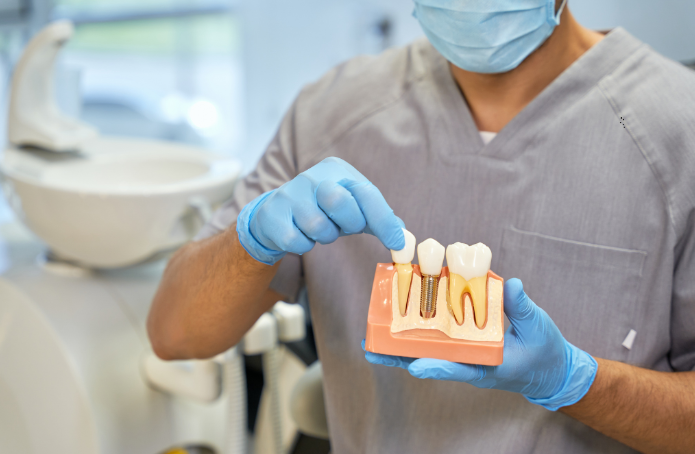
Dental implants are a popular and effective solution for replacing missing teeth, offering a long-term option that closely mimics natural teeth in function, durability, and appearance. Unlike dentures or bridges, implants are surgically placed into the jawbone, making them a more permanent and stable option. However, the process of getting dental implants isn’t instant—it requires multiple stages that can span several months. The exact timeline depends on various factors, including oral health, bone density, and healing ability.
According to Dr. Andres Arias, a leading dental implant specialist, “Every patient is different, and the healing process can vary. Some individuals may heal faster, while others may require additional procedures like bone grafting, which can extend the timeline. The key to a successful implant procedure is proper planning and patience.”
Here’s a breakdown of what to expect and how long the entire process typically takes.
1. Initial Consultation and Treatment Planning (1–2 Weeks)
The first step in getting dental implants is scheduling a consultation with a dentist or oral surgeon. During this visit:
- The dentist will examine your oral wheonai health, take X-rays or 3D scans, and discuss your medical history.
- A customized treatment plan will be created based on factors like the number of implants needed and whether any preparatory procedures are necessary.
- If no additional procedures are required, the implant placement can be scheduled within a couple of weeks.
2. Preparatory Procedures (If Needed) – 3 to 6 Months
Some patients may require preparatory treatments before the implant can be placed, including:
- Tooth Extraction – If a damaged or decayed tooth is still present, it must be removed. Healing can take a few weeks before moving forward with the implant.
- Bone Grafting – If the jawbone lacks the necessary density to support an implant, a bone graft may be needed. This process can take anywhere from 3 to 6 months for the bone to fully integrate.
3. Dental Implant Placement – 1 to 2 Hours
Once the mouth is ready, the dentist will surgically place the titanium implant into the jawbone. The procedure itself takes about 1 to 2 hours per implant and is usually performed under local anesthesia or sedation.
4. Osseointegration (Healing Period) – 3 to 6 Months
After placement, the implant needs time to integrate with the surrounding bone, a process called osseointegration. This is the longest phase, taking anywhere from 3 to 6 months, depending on the individual’s healing process. During this period, the bone fuses with the implant, creating a strong foundation for the artificial tooth.
5. Abutment Placement – 2 to 4 Weeks
Once the implant has fused with the bone, a small connector piece called an abutment is attached to the implant. This minor procedure is usually done under local anesthesia. The gums then need about 2 to 4 weeks to heal around the abutment before the final crown can be placed.
6. Placement of the Permanent Crown – 2 to 3 Weeks
After the gums have healed, impressions of your teeth are taken to create a custom-made dental crown that will be attached to the abutment. This process typically takes 2 to 3 weeks, and once the crown is placed, the implant will function like a natural tooth.
Total Estimated Timeline
- Fastest case (no bone grafting, quick healing): 3 to 4 months
- Average case: 5 to 7 months
- Longest case (bone grafting required): 8 months to over a year
Factors That Can Affect the Timeline
- Overall health – People with conditions like diabetes or those who smoke may take longer to heal.
- Number of implants – A single implant heals faster than multiple implants.
- Bone quality – Strong, healthy jawbones speed up the process, while weak bones may require additional treatment.
- Type of implant procedure – Some advanced procedures, such as immediate load implants (same-day implants), can reduce the overall treatment time.
Conclusion
While dental implants require patience, they are a worthwhile investment in long-term oral health, offering durability and a natural appearance. The timeline varies for each patient, typically ranging from 3 months to over a year, depending on individual factors. If you’re considering dental implants in Colombia, consult with Dr. Andres Arias for a personalized treatment plan and a clear timeline tailored to your needs.
