


When one thinks of Pakistan, the mind is often drawn to its majestic mountain ranges, bustling cities, and warm hospitality. Yet, among the countless reasons to visit this diverse country, nothing quite compares to the grandeur and vivacity of a traditional Pakistani wedding. From the glowing lanterns and rhythmic dhol beats to the elaborate bridal attire and heartfelt ceremonies, a Pakistani wedding offers a glimpse into centuries-old customs that seamlessly blend tradition with modern flair. No wonder so many travellers worldwide are planning their very own ticket to Pakistan to witness or participate in this cultural spectacle.
When one thinks of Pakistan, the mind is often drawn to its majestic mountain ranges, bustling cities, and warm hospitality. Yet, among the countless reasons to visit this diverse country, nothing quite compares to the grandeur and vivacity of a traditional Pakistani wedding. From the glowing lanterns and rhythmic dhol beats to the elaborate bridal attire and heartfelt ceremonies, a Pakistani wedding offers a glimpse into centuries-old customs that seamlessly blend tradition with modern flair. No wonder so many travellers worldwide are planning their very own ticket to Pakistan to witness or participate in this cultural spectacle.
Marriage Proposals and Engagements
Pakistani wedding celebrations typically begin with a formal proposal, where families gather to arrange the union of two families, not just two individuals. Engagement ceremonies can be simple or lavish, depending on the couple’s preference. During these events, rings are exchanged, blessings are shared, and families get to know each other. From this moment, the whirlwind of planning and festivities begins, setting the stage for the vibrant days ahead.
Mehndi: A Riot of Colours
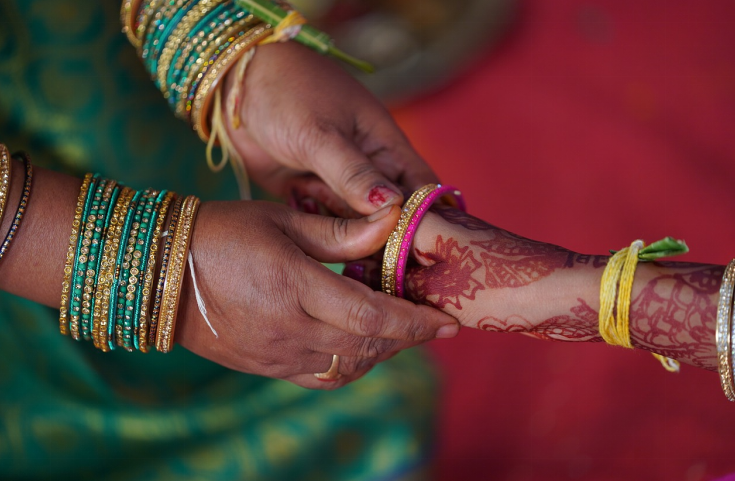
One of the most awaited events in a Pakistani wedding is the Mehndi, or henna night, where the bride’s hands and feet are adorned with intricate henna designs. The celebration is bright, filled with music and dance performances by friends and family. Traditionally, the colour of the bride’s henna symbolizes love and the strength of her marriage bond, and everyone from young cousins to grandparents join in the revelry. This is a night of unbridled excitement, offering a perfect opportunity to see why Pakistani weddings are as much about community and joy as they are about the marriage itself.
Baraat: The Groom’s Grand Arrival
The Baraat is often considered the pinnacle of celebration. The groom, dressed in elegant sherwani (a long coat-like garment), makes a grand entrance atop a decorated horse or in a flashy car, accompanied by friends and family dancing to lively drumbeats. Upon arrival, the bride’s family greets them with garlands and sweets, symbolizing unity and welcoming the groom’s side into their home. The Baraat typically includes cultural traditions such as the “Rasm-e-Milaad” (religious recitals) or the “Rukhsati” (the bride’s departure from her parental home), lending depth and sentiment to the merriment.
Walima: The Joyful Reception
The Walima is the final celebration in a Pakistani wedding, hosted by the groom’s family. It is a grand reception that allows friends, extended family, and well-wishers to bless the newlyweds and enjoy a lavish feast. Traditionally, the bride wears a lighter ensemble compared to the heavily embroidered red or gold bridal outfit she donned during the Baraat. During the Walima, the couple is introduced to both families’ wider social circles, symbolizing the unity of two clans now merged as one.
Cuisine: A Feast for the Senses
No Pakistani wedding would be complete without an indulgent dining experience. Tables overflow with aromatic biryanis, succulent kebabs, rich curries, and a variety of flavourful desserts like gulab jamun and kheer. Catering to all tastes, the menu often showcases the diverse regional flavours of Pakistan, inviting guests on a culinary journey that mirrors the country’s ethnic mosaic.
The Role of Tradition in Modern Weddings
While the backbone of any Pakistani wedding remains entrenched in ritual and lineage, modern twists have crept in over the years. High-energy choreographies inspired by Bollywood and local film industries, professional event planners designing elaborate themes, and social media-driven trends are now commonplace. Yet, each event, whether in a rural village or a five-star urban ballroom, preserves the essence of Pakistani culture—focusing on family unity, respect for elders, and the sacred bond between bride and groom.
An Invitation to Immerse
For anyone seeking a deep dive into South Asian culture, a Pakistani wedding is an unmissable experience. The melodious harmonies of qawwalis, the swirl of shimmering fabrics, the smell of saffron-infused dishes, and above all, the warmth and generosity of the people, converge to create unforgettable memories. Embarking on a ticket to Pakistan isn’t just about visiting a new place; it’s an invitation to witness profound familial bonds, age-old customs, and an unparalleled zest for life.
In essence, the heart of a Pakistani wedding lies in its togetherness, colour, and community. Rooted in centuries of tradition yet dynamic in its modern expression, it continues to enchant locals and foreigners alike. If you ever find yourself in this land of vibrant contrasts, be sure to immerse in the joyous festivities and discover the sparks of tradition that make Pakistani weddings a truly remarkable cultural phenomenon.
