


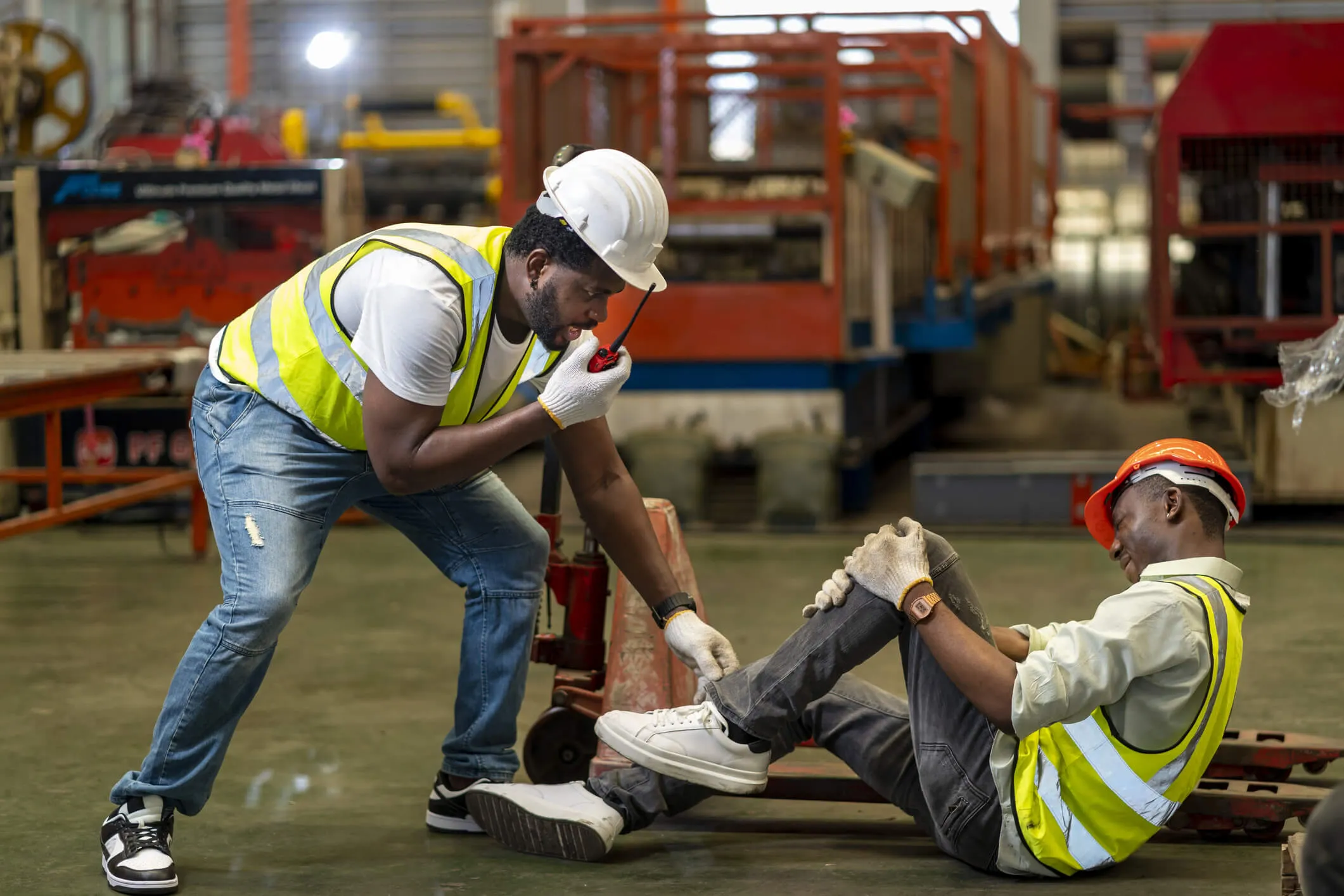
Workplace accidents are more common than many people realise. Many of these incidents happen because businesses rely on outdated or unsafe tools, putting workers at unnecessary risk.
Ensuring workplace safety is not just about following regulations—it’s about protecting workers from harm and creating a productive environment. Having the right equipment makes a significant difference. Proper scaffolding, protective gear, and well-maintained machinery can prevent accidents and keep work running smoothly.
This article explores how investing in the right safety equipment helps prevent accidents.
Why Outdated or Improvised Equipment Increases Risks
Using outdated or makeshift equipment is one of the biggest contributors to workplace accidents. Many businesses continue using old tools, thinking it saves money. However, these cost-cutting measures often lead to higher expenses due to injury claims, downtime, and fines for non-compliance.
Improvised work platforms, such as stacking crates or using unstable ladders, are accidents waiting to happen. Without secure footing, even a minor slip can result in a fall that causes severe injuries. Worn-out machinery with faulty parts or exposed wiring can also pose a serious threat.
Australian workplace safety laws require businesses to provide proper equipment that meets safety standards. Regular maintenance, upgrades, and replacements are essential. Investing in safe, high-quality tools not only prevents accidents but also ensures a more efficient and productive workplace.
Safe Access to Heights: Choosing the Right Equipment
Working at heights is one of the biggest risks in many industries. Falls account for a significant number of workplace injuries, often due to unstable ladders, weak structures, or workers not using the right equipment.
Ladders are useful for quick jobs, but they aren’t always the safest option for extended work. Mobile scaffolding provides a more secure and stable platform, especially in tight spaces. It reduces the risk of falls and allows workers to complete tasks safely and efficiently.
Businesses should never allow workers to use makeshift platforms or climb on unsafe surfaces to reach heights. Investing in proper height-access solutions not only protects workers but also ensures compliance with workplace safety regulations in Australia.
The Importance of Personal Protective Equipment (PPE)
Personal Protective Equipment (PPE) is one of the simplest ways to prevent workplace injuries. Many injuries occur because workers don’t have the right gear or don’t wear it correctly.
Hard hats, gloves, high-visibility vests, and safety boots are essential in many industries. They protect workers from head injuries, burns, and falling objects. Eye and hearing protection are equally important in noisy or hazardous environments, reducing the risk of long-term damage.
PPE must be properly fitted and regularly inspected. Loose or damaged gear won’t provide the protection needed. Businesses should ensure their workers have access to high-quality PPE that meets Australian safety standards. Regular training on the correct use of protective gear is also necessary to keep workers safe.
Machinery and Equipment Safety: Reducing Risks on the Job
Heavy machinery and power tools are essential in many industries, but they can also be dangerous if not used correctly. Malfunctions, improper handling, and lack of training lead to severe injuries.
One of the biggest risks comes from unguarded machinery. Moving parts can cause crushing injuries if workers’ hands or clothing get caught. Proper machine guards and emergency stop buttons are critical for reducing these risks.
Regular maintenance is just as important. Worn-out or faulty equipment increases the likelihood of accidents. Employers should have strict maintenance schedules to check for any mechanical issues before they cause harm.
Training is also key. Many injuries happen when workers operate machinery they are not trained to use. Ensuring proper training and clear safety procedures can prevent these accidents and keep workplaces safe.
Vehicle and Forklift Safety: Preventing Collisions and Rollovers
Forklifts and work vehicles are used in many industries, but they come with risks. Collisions, rollovers, and struck-by incidents are among the most common workplace accidents. These often happen due to poor visibility, lack of training, or unsafe worksite conditions.
Proper training is the first step in preventing these accidents. Every worker operating a forklift or other heavy vehicle should be fully licensed and trained in safety procedures. Australian regulations require businesses to ensure that only certified operators handle this equipment.
Worksite layout also plays a role in preventing accidents. Clearly marked pedestrian walkways, speed limits, and designated parking areas help reduce the risk of collisions. Safety features such as reversing alarms, warning lights, and mirrors should always be in place to improve visibility.
Regular maintenance is essential. A poorly maintained forklift can become unstable, increasing the risk of tipping over. Checking brakes, tyres, and hydraulics ensures the vehicle remains in safe working condition. Businesses should enforce strict safety checks before any machinery is used.
Fire Safety Equipment: Essential Tools for Every Workplace
Fires can spread quickly in a workplace, putting lives and property at risk. Having the right fire safety equipment is crucial in preventing serious damage. Yet, many businesses overlook basic fire safety measures, leaving workers unprotected in an emergency.
Fire extinguishers should be easily accessible and regularly checked to ensure they are in working order. Different types of extinguishers are needed for different fire hazards. For example, electrical fires require CO2 extinguishers, while flammable liquids need foam or dry powder options.
Smoke detectors and sprinkler systems are also vital. Early detection gives workers time to evacuate safely. Australian workplace safety laws require businesses to have functioning smoke alarms and emergency exits that are clear of obstructions.
Training is just as important as the equipment itself. Workers should know how to use fire extinguishers correctly and understand evacuation procedures. Regular fire drills help ensure that everyone is prepared in case of an emergency.
Training and Compliance: Making Sure Equipment is Used Correctly
Even the best safety equipment is useless if workers don’t know how to use it properly. Many workplace accidents happen because workers lack proper training or take shortcuts that put them at risk.
Employers must provide ongoing safety training that covers the correct use of tools, machinery, and protective gear. This training should be specific to the workplace, addressing potential hazards that workers may face daily.
Compliance with safety regulations is also critical. Australian workplace laws require businesses to follow strict safety standards. Regular safety audits help ensure that equipment is up to standard and that workers are following correct procedures.
Encouraging a safety-first culture is key. When workers understand the importance of using equipment properly, they are more likely to follow safety guidelines. Businesses that prioritise training and compliance see fewer accidents and a more productive workforce.
Workplace accidents can be avoided when businesses invest in the right equipment and training. Falls, machinery-related injuries, and vehicle accidents are preventable with proper safety measures in place.
Using high-quality tools, providing workers with effective training, and following workplace safety regulations are essential for creating a secure work environment. Businesses that make safety a priority not only protect their workers but also improve efficiency and reduce costs.
Every workplace should regularly review its safety practices and upgrade equipment as needed. A commitment to workplace safety benefits everyone, ensuring a productive and injury-free environment.
