


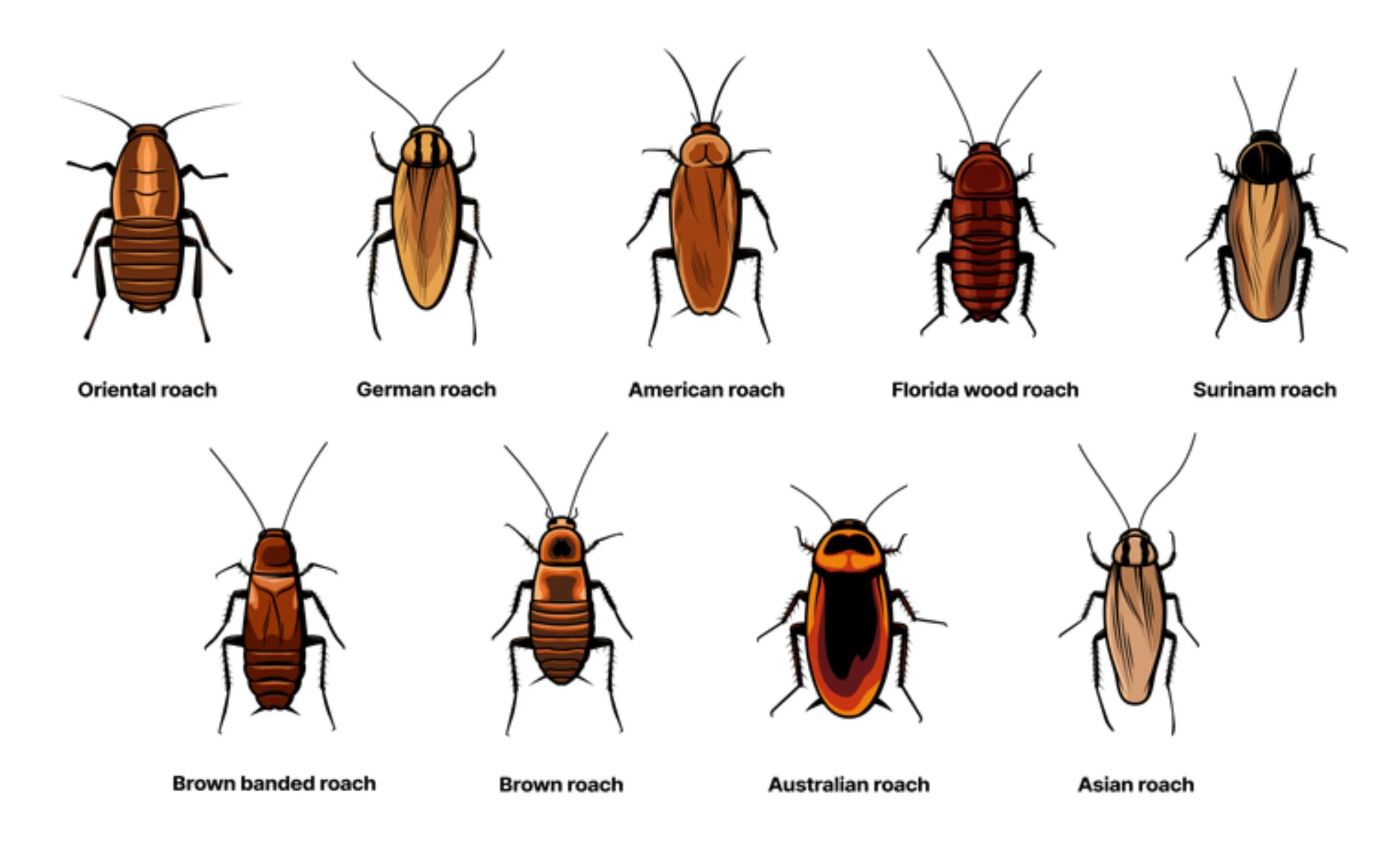
The Florida woods cockroach (Eurycotis floridana) is a large, outdoor cockroach commonly found in Florida and other parts of the southeastern United States.
Also known as the “stinking cockroach,” it gets its nickname from the strong, foul-smelling chemical it releases as a defense mechanism when threatened.
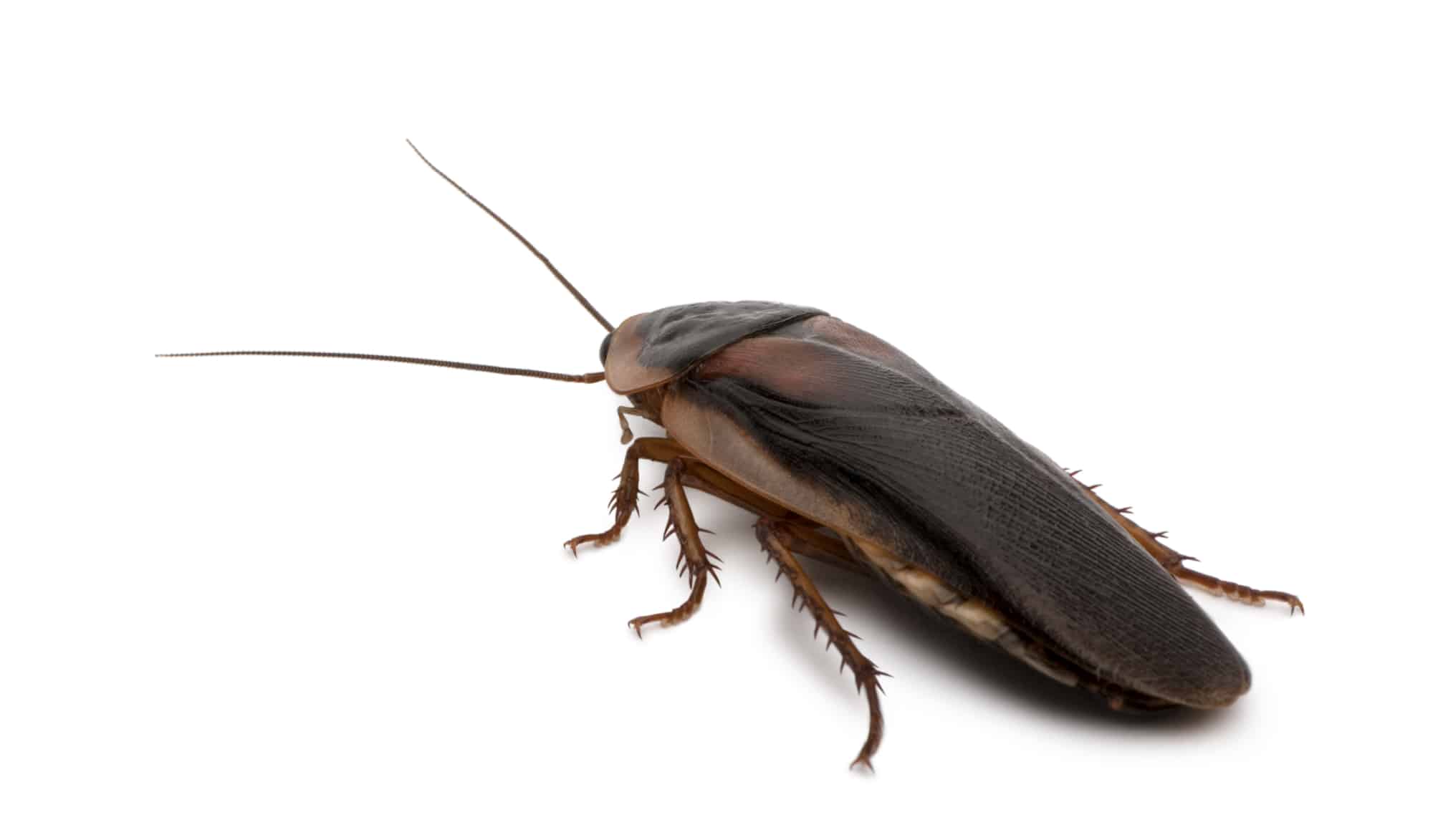
This cockroach is typically 1.5 to 2 inches long with a dark brown to black, glossy body. Unlike many other cockroaches, the Florida woods cockroach has short wings and cannot fly.
It prefers moist, shaded outdoor environments such as under logs, leaf piles, mulch, and woodpiles.
Though it’s generally an outdoor insect, it may occasionally wander into garages, sheds, or homes—especially if the structure is damp or surrounded by vegetation.
Despite its intimidating size and smell, this cockroach is not dangerous. It doesn’t bite, sting, or spread serious diseases like some other cockroach species. It’s more of a nuisance than a health hazard.
If you find one in or near your home, there’s no need to panic. Sealing entry points, reducing moisture, and keeping outdoor areas tidy can help prevent infestations. Overall, the Florida woods cockroach is best left alone unless it becomes a recurring issue.
Is the Florida Woods Cockroach Dangerous?

The Florida woods cockroach (Eurycotis floridana) is not considered dangerous to humans. While its large size and pungent odor can be alarming, this insect poses no direct threat to your health or safety.
Here’s why it’s generally harmless:
- No biting or stinging: Florida woods cockroaches do not bite, sting, or show aggressive behavior.
- Low disease risk: Unlike some household cockroaches, they are not major carriers of bacteria or disease, as they typically live outdoors and rarely invade kitchens or pantries.
- Non-invasive indoors: These roaches prefer moist, wooded environments like mulch beds, leaf piles, and under logs. They do not actively seek indoor spaces unless conditions are extremely favorable (like excess moisture or decaying wood).
However, they can still be a nuisance, especially if their populations grow near your home. They emit a strong, foul-smelling chemical when disturbed, which can be unpleasant but is not toxic to humans or pets.
Bottom Line:
The Florida woods cockroach is more of a smelly guest than a health hazard. While they’re not dangerous, taking preventive steps like sealing cracks and reducing outdoor moisture can help keep them out.
How to Identify a Florida Woods Cockroach
Identifying a Florida woods cockroach (Eurycotis floridana) is fairly easy once you know what to look for. This species stands out from other roaches due to its size, color, and behavior.
Key Identification Features:
- Size: One of the largest roaches in the U.S., it typically measures 1.5 to 2 inches long.
- Color: Dark brown to black with a glossy, smooth body.
- Wings: Short and underdeveloped; they cannot fly, unlike many other cockroach species.
- Body Shape: Broad, oval-shaped, and more compact than slimmer household roaches.
- Movement: Slow-moving and less skittish than common indoor roaches.
Unique Trait:
When threatened, this cockroach releases a strong, foul-smelling secretion from glands near its abdomen. This odor is a natural defense mechanism and a signature trait of this species.
Habitat Clue:
They’re usually found outdoors in moist, wooded, or shaded areas like under logs, mulch, leaf litter, or woodpiles—rarely inside homes unless there’s high humidity or rot.
Not to Be Confused With:
The American cockroach (larger wings, flies) or palmetto bug (similar name but different species).
Where Do Florida Woods Cockroaches Live?

Florida woods cockroaches (Eurycotis floridana) are outdoor roaches that thrive in moist, shaded environments. They are commonly found in areas that mimic their natural habitats, and they generally avoid indoor spaces unless conditions are ideal.
Preferred Habitats:
- Wooded Areas: They thrive in forests, wooded lots, and areas with plenty of vegetation.
- Under Logs and Rocks: Florida woods cockroaches are often spotted under logs, rocks, or fallen branches, where they find shelter and moisture.
- Leaf Litter: They tend to live in leaf piles or areas with thick layers of organic debris, where they can remain hidden and damp.
- Mulch and Woodpiles: These cockroaches are also common in mulch beds and woodpiles, especially in humid conditions.
Why They Prefer These Areas:
- Moisture: Florida woods cockroaches prefer humid environments that provide the moisture they need for survival.
- Shade: They avoid direct sunlight and typically stay in shaded, cool areas to avoid desiccation.
- Food Sources: They feed on decaying organic material like fallen leaves, dead wood, and other plant matter found in their habitat.
Florida Woods Cockroach vs. Other Roaches
The Florida woods cockroach (Eurycotis floridana) is often compared to other common cockroach species due to its distinctive characteristics.
Here’s how it stacks up against some of the most well-known roaches:
Florida Woods Cockroach vs. American Cockroach
- Size: The Florida woods cockroach is similar in size to the American cockroach (Periplaneta americana), both reaching up to 2 inches long. However, the American cockroach is more elongated, while the Florida woods cockroach has a broader, more compact body.
- Wings: The American cockroach has fully developed wings and can fly, while the Florida woods cockroach has short wings and cannot fly.
- Habitat: American cockroaches are more likely to invade indoor spaces such as kitchens and bathrooms, while Florida woods cockroaches are primarily outdoor roaches, preferring wooded, moist areas.
Florida Woods Cockroach vs. German Cockroach
- Size: The Florida woods cockroach is significantly larger, growing up to 2 inches, whereas the German cockroach (Blattella germanica) is much smaller, around 1 inch in length.
- Habitat: German cockroaches are notorious indoor pests, especially in kitchens and bathrooms, while Florida woods cockroaches are almost exclusively outdoor dwellers.
- Color: German cockroaches are light brown with two dark parallel stripes on their thorax, while Florida woods cockroaches are darker, typically black or dark brown.
Florida Woods Cockroach vs. Palmetto Bug
- Palmetto Bug is another name sometimes used for American cockroaches or wood roaches in the Southeastern U.S. While they share similar habitats, Florida woods cockroaches have shorter wings and do not fly, unlike some palmetto bugs that can. Florida woods cockroaches are generally larger and have a distinctive smell when threatened.
- Habitat: Both species can be found in moist outdoor environments such as under logs, mulch, and woodpiles.
Florida Woods Cockroach vs. Oriental Cockroach
- Size: The oriental cockroach (Blatta orientalis) is a little smaller than the Florida woods cockroach, typically around 1 inch long.
- Color: The oriental cockroach is dark brown or black, like the Florida woods cockroach, but has a shiny, dull appearance, while the Florida woods cockroach has a glossier, smooth body.
- Habitat: The oriental cockroach prefers cool, damp places indoors and is often found in basements or crawl spaces, while Florida woods cockroaches live in outdoor, wooded areas.
Summary:
- Florida Woods Cockroach: Large, wingless, outdoor-dwelling roach with a distinct odor when threatened. Typically avoids indoors unless there’s excess moisture.
- American Cockroach: Larger, capable of flying, often found indoors.
- German Cockroach: Small, indoor pest, more common in kitchens.
- Palmetto Bug: Often refers to large roaches (like the American or wood roaches) but typically associated with both indoor and outdoor environments.
- Oriental Cockroach: Prefers cool, damp indoor areas, smaller than the Florida woods cockroach.
How to Keep Florida Woods Cockroaches Out
Keeping Florida woods cockroaches (Eurycotis floridana) out of your home or yard is all about making your environment less attractive to them.
Since they thrive in moist, shaded areas, focusing on moisture control and sealing entry points can help prevent infestations.
Seal Entry Points
- Inspect Doors and Windows: Ensure all doors and windows are tightly sealed, especially in areas like garages, sheds, or any exterior openings.
- Check Cracks and Gaps: Seal any cracks in walls, floors, or around window frames to block access. Use weather stripping to cover gaps.
- Use Screens: Install screens on vents and chimneys to prevent outdoor pests from entering.
Remove Moisture Sources
- Fix Leaks: Florida woods cockroaches are attracted to moist environments. Repair any leaking pipes or faucets in and around your home.
- Dry Wet Areas: Keep areas like bathrooms, kitchens, and basements dry. Use a dehumidifier if necessary, especially in humid regions.
- Reduce Yard Moisture: In your yard, avoid overwatering plants, and ensure proper drainage around mulch beds, woodpiles, or gardens. Ensure the ground is dry around your home.
Tidy Up Outdoor Spaces
- Clear Debris: Since Florida woods cockroaches prefer to hide under logs, mulch, and leaf piles, regularly clear these areas around your home.
- Store Wood Properly: If you store firewood or other outdoor materials, keep them elevated off the ground and away from the foundation of your house.
- Trim Vegetation: Trim back any bushes, trees, or vines that may come in contact with your home, providing a potential bridge for roaches to get inside.
Use Outdoor Pest Control
- Insecticides: If you have a serious problem in your yard, consider using outdoor insecticides around areas where roaches are likely to enter.
- Diatomaceous Earth: Sprinkle diatomaceous earth around your yard and near the foundation of your home. It’s a natural pest deterrent that can help control cockroach populations.
Keep Outdoor Lights Off
- Limit Light Exposure: Cockroaches are attracted to lights at night. Keep outdoor lights off or shielded from attracting pests.
Maintain Your Yard and Home Regularly
- Pest-Proof Your Home: Regularly inspect your home for signs of pests and apply preventive measures as needed. If you suspect a cockroach presence, consider consulting a pest control professional for advice or treatment.
Conclusion
In conclusion, while Florida woods cockroaches may seem intimidating due to their size and strong odor, they are not dangerous to humans and primarily live in outdoor, moist environments.
These cockroaches are nuisance pests, not likely to cause harm or invade your home unless conditions are ideal.
To keep them out of your living spaces, focus on sealing entry points, reducing moisture both indoors and outdoors, and maintaining a clean, dry environment.
Regularly clear debris from your yard, especially areas like woodpiles, leaf piles, and mulch, which attract these roaches. By creating an unfavorable environment for them, you can minimize the chances of an infestation.
If you do encounter them, remember that the Florida woods cockroach is best left undisturbed. With these preventive measures in place, you’ll be able to enjoy a more cockroach-free home and yard.
