


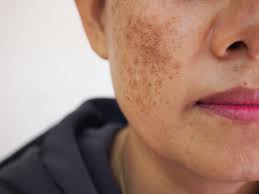
Dark spots on skin can be a real headache. Whether they come from sun damage, acne scars, or just getting older, these marks often linger, no matter how many skincare products you try. It’s easy to spend a small fortune on creams and serums, hoping for them to magically disappear.
Some dark spots just won’t budge with skincare alone because they sit deeper in the skin, out of reach for most topical products. These stubborn marks might be caused by melanin building up below the surface, or they might be tied to hormones or even genetics—things your favorite serum can’t always fix.
When it comes to those persistent spots, sometimes you need to call in the pros. Treatments like laser therapy, chemical peels, or microdermabrasion actually get under the surface to tackle discoloration at its source. If your bathroom cabinet isn’t cutting it, these options might be worth considering.
Why Some Dark Spots Never Fade With Skincare Alone
No matter how consistent you are with serums and creams, some dark spots just hang around. Usually, these marks have deeper causes that over-the-counter products can’t really touch.
Understanding Types of Dark Spots Resistant to Skincare
Not all dark spots are created equal. Melasma, sometimes called the “mask of pregnancy,” forms deep in the skin and often shrugs off anything you can buy at the drugstore. You’ll usually see these as larger patches on your cheeks, forehead, or upper lip.
Then there’s post-inflammatory hyperpigmentation (PIH). This shows up after bad breakouts or injuries and can reach down into the dermis, making it tough for most creams to help. These spots tend to look darker and more noticeable than the skin around them.
Solar lentigines—better known as age spots—pop up after years in the sun. When they dig in deep, even strong brightening ingredients might not be enough to clear them up completely.
And seborrheic keratoses? Those are the raised, waxy growths that come with age. No cream will fade them, since they’re actually harmless skin growths, not just pigment issues.
Causes of Persistent Hyperpigmentation
Honestly, sun damage is probably the biggest reason for stubborn dark spots. UV rays kick melanin production into high gear, and over time, it gets tucked away deep in your skin. Even if you’re religious about sunscreen now, old damage can be pretty much impossible to fix with topicals alone.
Hormones can also play tricks on your skin. Things like pregnancy, birth control, or hormone therapy can trigger melasma, which sometimes sticks around long after your hormones settle down.
If you deal with chronic inflammation from conditions like eczema or psoriasis, your skin gets constant signals to make more melanin. Layer after layer of pigment builds up, and regular skincare just can’t get through all that.
And let’s not forget age. As the years go by, your skin’s cell turnover slows down a lot. Pigmented cells end up sticking around longer, and your skin doesn’t fade spots as quickly as it used to.
Safe and Effective Pigmentation Treatments for Clearer Skin
When regular skincare isn’t enough, professional pigmentation treatment options can deliver deeper results. Chemical peels with trichloroacetic acid or phenol help remove stubborn pigmentation that creams can’t touch, while laser therapies like Q-switched lasers break down melanin so the body can clear it naturally—though multiple sessions are usually needed.
For surface-level spots, microdermabrasion or dermabrasion can be effective, while prescription-strength hydroquinone (4% or higher) remains a common choice for tough hyperpigmentation, though it requires medical supervision and isn’t suitable for long-term use.
Role of Genetics and Skin Type in Stubborn Spots
If you have a darker skin tone (Fitzpatrick types IV-VI), you naturally make more melanin, which means you’re more likely to get stubborn spots. Even small triggers can leave marks that don’t fade easily.
Your genes also decide how your skin reacts to things like sun or irritation. Some people just make more concentrated melanin that settles deeper, making spots harder to treat. Family history can be a clue, too. If your parents or siblings have trouble with melasma or PIH, odds are you might see the same thing in your own skin.
Ethnic background matters as well. Folks with Mediterranean, Middle Eastern, Asian, or African heritage often deal with more persistent hyperpigmentation, thanks to the way melanin is distributed in their skin.
Medical Conditions That Prevent Fading
Addison’s disease leads to more pigmentation because of hormonal imbalances, and honestly, no skincare product can really fix that. It needs real medical care to manage the hormone issues behind it.
Some metabolic disorders mess with how your skin cells work. For example, hemochromatosis lets iron pile up in your body, and that can leave you with stubborn skin discoloration. Only treating the bigger health problem actually helps here.
Medications can also throw a wrench in things. Certain antibiotics, antiseizure meds, or heart drugs might trigger photosensitivity, making dark spots stick around until you and your doctor figure out a different prescription.
Liver disease is another culprit for skin discoloration. Stuff like primary biliary cirrhosis can cause ongoing hyperpigmentation that just ignores all the topical creams in the world, since the real issue is happening inside your body.
