


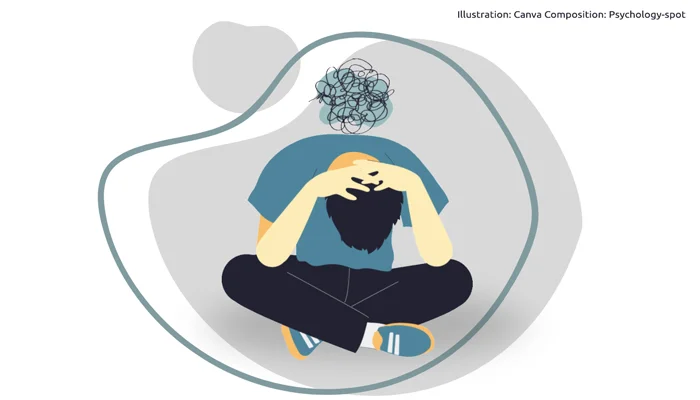
You collapse on the couch at the end of the day, physically drained despite not having done anything particularly strenuous. Your to-do list isn’t even that long, yet you feel like you’ve run a marathon. If this sounds familiar, you’re likely carrying an invisible burden that’s become increasingly common in modern life: the mental load.
What Is the Mental Load?
The mental load refers to the invisible cognitive and emotional labor of managing a household, relationships, work responsibilities, and life in general. It’s not just doing the tasks—it’s remembering them, planning them, anticipating needs, and coordinating everything. It’s the constant background processing that never shuts off.
Think about it: remembering your mother’s birthday, noticing you’re running low on toilet paper, mentally planning dinner while in a work meeting, keeping track of upcoming bills, worrying about a friend who’s going through a hard time, and remembering to schedule that dentist appointment. Each item seems small, but collectively, they create an exhausting mental burden.
Why It’s So Draining
Your brain isn’t designed to juggle dozens of open loops simultaneously. Each uncompleted task or unresolved concern takes up valuable mental resources, creating what psychologists call “cognitive load.” Even when you’re supposedly relaxing, part of your mind is still running through lists, solving problems, and anticipating what needs to happen next.
The mental load is particularly insidious because it’s invisible. There’s no tangible evidence of this work, which means it often goes unrecognized—by others and even by yourself. You might feel guilty for being tired when you “haven’t really done anything,” which only adds to the emotional burden.
The Gendered Reality
Research shows that women disproportionately carry the mental load, particularly in heterosexual relationships and families. Even when household tasks are divided equally, women often remain the “project managers” who remember, plan, and delegate. This invisible labor contributes significantly to burnout, anxiety, and depression.
But the mental load isn’t exclusively a gendered issue. Anyone who’s highly conscientious, has caregiving responsibilities, manages multiple roles, or struggles with anxiety can find themselves drowning under the weight of invisible cognitive work.
Signs You’re Overwhelmed by Mental Load
You might be struggling with mental load if you constantly feel behind, have trouble relaxing even during downtime, experience difficulty sleeping because your mind won’t stop racing, feel irritable or short-tempered, or find yourself unable to focus on single tasks. Physical symptoms like headaches, muscle tension, and digestive issues are also common.
Finding Relief
Reducing mental load requires both practical strategies and sometimes professional support. Learning to delegate, set boundaries, use external systems (like shared calendars and lists), and actually let some things go are essential skills. But when the mental load has contributed to anxiety, depression, or burnout, professional help becomes necessary.
The Beach Cottage offers specialized treatment for anxiety and stress-related conditions, helping individuals develop healthier ways of managing life’s demands. Sometimes, the exhaustion runs deeper than simple overwhelm—it becomes a mental health issue that requires professional intervention.
You’re not weak for being tired. The mental load is real, it’s heavy, and you don’t have to carry it alone.
