


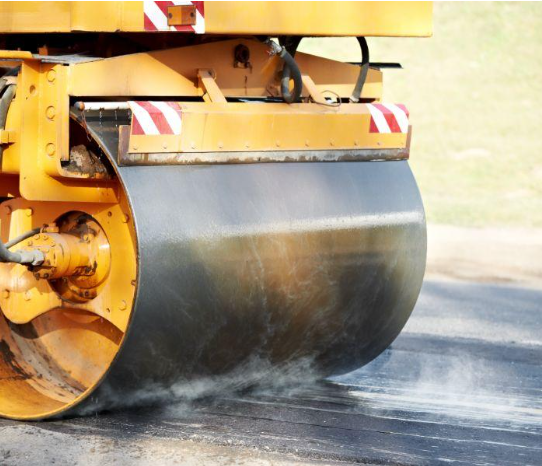
Old pavement may look like the end of the road, but much of that material still has plenty of mileage left. Roads, parking lots, and other paved surfaces eventually develop cracks, ruts, potholes, and general wear. When resurfacing or reconstruction becomes necessary, crews often remove sections of the existing asphalt. Instead of sending all that material away as waste, paving operations may process it for another use.
Asphalt recycling gives old pavement materials another opportunity to become part of a useful paving surface. Removed asphalt contains aggregate and asphalt binder, two important ingredients in pavement construction. After proper processing and evaluation, reclaimed material may return to new asphalt mixtures, pavement bases, or other applications.
Understanding what happens after old pavement is removed gives drivers, businesses, and communities a clearer view of modern paving practices. The process combines material recovery, engineering, and careful planning to make better use of available resources.
What Happens When Asphalt Gets Removed
Contractors commonly remove old pavement during resurfacing, reconstruction, utility work, or major repairs. One common method is milling. A milling machine removes a selected layer of pavement while leaving deeper pavement layers in place when they remain suitable.
More extensive projects may involve full-depth removal. Crews break apart and remove larger sections when the pavement structure requires significant reconstruction.
The removed material is commonly known as reclaimed asphalt pavement, or RAP. The Federal Highway Administration defines RAP as removed or reprocessed pavement material containing asphalt and aggregate. When properly crushed and screened, the material contains graded aggregate coated with existing asphalt cement.
The Federal Highway Administration provides additional information about reclaimed pavement materials and their use in road construction. Federal Highway Administration RAP resource
How Old Pavement Becomes Useful Again
After removal, reclaimed pavement usually goes through several processing stages before reuse. Large pieces may first be transported to a processing facility or asphalt plant. Some recycling methods also process pavement on-site.
The collected material is crushed into smaller pieces and screened according to particle size. Contractors and asphalt producers may separate different sizes into stockpiles so the material fits specific mixture requirements.
Processing matters because asphalt recycling involves more than breaking old pavement into smaller pieces. Material size, moisture, binder properties, pavement condition, and the intended application all influence where reclaimed asphalt belongs.
Once prepared, RAP may be combined with new aggregate and asphalt binder according to a pavement mixture design. The amount used varies from one project to another. Engineers and producers consider performance requirements rather than simply adding as much recycled material as possible.
The result is a construction material that can serve roads and paved surfaces instead of sitting unused.
Different Ways Reclaimed Asphalt Gets Reused
Reclaimed pavement has several possible destinations, depending on its condition and the project’s needs.
One familiar approach is hot-mix recycling. In this process, a central plant combines RAP with new aggregate and asphalt cement to produce an asphalt paving mixture. The Federal Highway Administration also identifies hot in-place recycling, where existing pavement is heated and processed directly on the roadway.
Cold recycling offers another option. Rather than processing materials at standard hot-mix temperatures, pavement is reused through methods that operate with little or no heating. Depending on the method, work may occur at a central facility or directly along the roadway.
Reclaimed asphalt may also serve in pavement base or subbase layers. In those applications, processed material provides part of the supporting structure below the finished pavement surface.
Each method requires different equipment, materials, and project support. Conditions at the site determine which approach makes sense.
Why Pavement Recycling Matters Today
Construction projects require large quantities of aggregate and asphalt binder. Recovering suitable pavement materials creates another source of those resources.
Asphalt recycling may reduce the amount of newly quarried aggregate needed for certain mixtures. RAP also contains existing asphalt binder, which gives producers an opportunity to recover value from material already used in previous pavement.
The Federal Highway Administration promotes recycled highway materials when their use is practical, economical, environmentally responsible, and can meet pavement performance requirements. Its RAP program focuses on expanding recycled material use while maintaining equal or improved pavement performance.
Reuse also reduces the amount of removed pavement requiring disposal. Instead of treating an entire worn roadway as construction waste, suitable material gets another productive role.
Potential advantages include reduced demand for some virgin materials, less material sent for disposal, conservation of usable aggregate, and more efficient use of existing construction resources.
Those benefits are not automatic. Transportation distances, processing, equipment, mixture requirements, local material availability, and project specifications all affect the practical value of recycling.
Quality Still Matters With Reclaimed Pavement
The word “recycled” does not mean pavement standards disappear.
Engineers, paving contractors, and asphalt producers must consider the properties of reclaimed material before deciding how to use it. Gradation, binder characteristics, moisture, consistency, and mixture design may all affect pavement performance.
FHWA guidance identifies three major requirements for successful recycled asphalt pavements: they should be cost-effective, environmentally responsible, and perform well.
That performance requirement is especially important. A roadway still needs to withstand traffic, weather, temperature changes, and daily wear regardless of where its materials originated.
Modern asphalt recycling therefore treats RAP as an engineered construction resource rather than simply crushed pieces of an old road.
Following Pavement Through Another Life Cycle
Picture a roadway that has carried traffic for twenty years. The surface eventually becomes worn and needs resurfacing. Milling equipment removes the deteriorated upper layer, and trucks collect the reclaimed material.
Instead of becoming permanent waste, suitable material is processed and evaluated. Months later, portions of that same pavement might return as part of another asphalt mixture or pavement layer.
That circular process changes how people view old pavement. Removal does not necessarily mark the end of a material’s usefulness. It may mark the beginning of another stage.
FHWA continues to publish research and technical material on higher-RAP mixtures, recycling technologies, and responsible reclaimed-material use. Its RAP resource page was updated in August 2026 and includes newer technical materials covering recent pavement recycling practices.
Old Pavement Still Has Work Ahead
Asphalt recycling gives paving materials a valuable second life. Old surfaces may be milled, collected, crushed, screened, evaluated, and returned to pavement construction through several different methods.
Reclaimed asphalt will not suit every application in the same way. Site conditions, mixture design, material quality, and performance requirements still guide each project. When those factors line up, recycling provides an effective way to recover resources that would otherwise leave the pavement cycle.
The next time you see a milling machine peeling away an old roadway, remember that the dark material filling those trucks may not be headed for its final stop. Part of it could eventually return beneath another set of tires. For pavement resurfacing, replacement, and other asphalt paving work, Lewisville Asphalt Paving provides services based on each site’s needs and condition. Visit https://lewisvilleasphaltpaving.com/ to learn more.
