


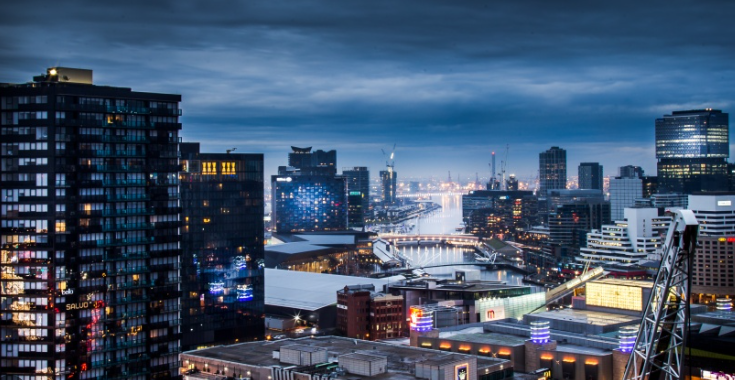
Victoria is one of Australia’s most vibrant and diverse states, offering newcomers a blend of cosmopolitan living, natural beauty, and a rich cultural scene. From the bustling streets of Melbourne to the charming regional towns and coastal retreats, Victoria has something for everyone.
Whether you’re moving for work, study, family, or simply seeking a fresh start, this guide will help you navigate your relocation to Victoria and make your transition as smooth as possible. Ready your hired moving services in Victoria because it will be a hectic move.
An Introduction to Victoria, Australia
Geography
Victoria is located in the southeastern corner of Australia and is bordered by New South Wales to the north, South Australia to the west, and the Tasman Sea to the south. The state is known for its diverse landscapes, ranging from the bustling Melbourne metropolitan area to the serene countryside, the rugged Grampians National Park, and the stunning Great Ocean Road.
Climate
Victoria’s climate varies significantly across the state, but it is generally temperate. The state experiences four distinct seasons:
- Summer (December–February) is warm, with temperatures often reaching 25–35°C (77–95°F).
- Autumn (March–May) brings cooler temperatures and beautiful fall colors, perfect for outdoor activities.
- Winter (June–August) can be quite cold, especially in inland areas, with temperatures ranging from 5–15°C (41–59°F). The Alps in northeastern Victoria can see snow in the winter months.
- Spring (September–November) is mild, with temperatures gradually rising and flowers in full bloom.
Melbourne, Victoria’s capital, has a reputation for having “four seasons in a day”, meaning the weather can change quickly, so it’s a good idea to dress in layers.
Cost of Living in Victoria
While Victoria, especially Melbourne, is considered one of the more expensive states in Australia, the cost of living can vary greatly depending on where you choose to live within the state. Here’s a breakdown:
Housing Costs
- Renting: Rent in Melbourne can be expensive, particularly in sought-after inner-city areas like Fitzroy, Carlton, or Southbank. On average, renting a one-bedroom apartment in the city center can cost anywhere from $1,500 to $2,500 per month. If you choose to live in outer suburbs or regional Victoria, rental prices can be more affordable (e.g., $1,200 to $1,800 per month for a one-bedroom apartment).
- Buying Property: The median house price in Melbourne is significantly higher than in regional areas. As of recent data, the median house price in Melbourne can range from $850,000 to $1.2 million depending on the area. Regional areas like Ballarat, Bendigo, or Geelong offer more affordable options, with median house prices often ranging from $400,000 to $600,000.
Utilities and Other Expenses
- Utilities (electricity, gas, water, internet) will typically cost between $200 and $400 per month depending on your energy consumption and the size of your home.
- Groceries: Supermarket prices in Victoria are generally comparable to the rest of Australia. Expect to pay around $50–$100 per week for a basic grocery shop, depending on your lifestyle and the number of people in your household.
Transportation
- Public Transport: Melbourne boasts an extensive public transport system, including trains, trams, and buses operated by Public Transport Victoria (PTV). A myki card is used to tap on and off trains and trams. A weekly travel pass for zones 1 and 2 costs about $45–$60.
- Driving: If you’re planning to drive in Victoria, you’ll need to obtain a Victorian driver’s license. Car ownership costs vary, but you’ll need to budget for petrol, registration, and insurance. Petrol prices in Victoria average around $1.50–$2.00 per liter (though prices fluctuate).
Food and Dining
Victoria is home to a diverse culinary scene. Melbourne, in particular, is known for its world-class restaurants, cafes, and food markets. Eating out can cost anywhere from $15–$30 per person at mid-range restaurants, while takeaway meals typically range from $10–$20.
Finding a Home in Victoria
Renting a Home
Victoria’s rental market can be competitive, particularly in Melbourne. To find a rental property, you can use websites such as realestate.com.au, Domain, or Flatmates.com.au. It’s a good idea to:
- Start searching early, especially if you’re looking in Melbourne, as properties can be snapped up quickly.
- Inspect the property before committing, and be prepared to provide references, proof of income, and a rental history.
- Know the tenancy laws: Understand your rights as a tenant under the Residential Tenancies Act.
Buying a Home
If you plan to buy property in Victoria, it’s advisable to consult a local real estate agent. They can assist you with finding properties that suit your budget and needs. Before purchasing, make sure you understand the stamp duty (a one-time tax when you buy property) and other fees associated with buying property in Victoria. The Victorian government offers some first-home buyer incentives, which can help reduce costs. If you’re relocating and need to transport your vehicle safely, using a trusted Car Delivery Service Aberdeen can ensure a hassle-free and efficient move.
Regional vs. City Living
- Melbourne: A vibrant, cosmopolitan city with world-class amenities, public transport, and cultural attractions.
- Regional Victoria: Offers a more relaxed lifestyle, and often lower housing costs. Cities like Geelong, Ballarat, and Bendigo are popular choices for those looking for a quieter life but still within driving distance of Melbourne.
Healthcare in Victoria
As a resident of Victoria, you’ll have access to the Australian healthcare system, which is a combination of public and private services. The Medicare system covers most public healthcare expenses, including doctor’s visits, public hospital care, and essential medical treatments. If you’re moving from abroad, you’ll need to apply for Medicare once you arrive, unless you’re covered by private health insurance.
If you prefer private healthcare, there are many private hospitals, clinics, and specialists throughout Victoria.
Education in Victoria
Victoria is home to some of Australia’s top schools and universities.
Schools
- Public education is free for residents, but there may be some additional costs for extracurricular activities and materials. The state is known for its high-quality public schools.
- Private and independent schools are also widely available across Victoria, offering alternative curriculums and more specialized programs.
Universities
Melbourne is known as Australia’s education hub, with a range of highly ranked universities, including:
- University of Melbourne (one of the top universities in the world)
- Monash University
- RMIT University
- La Trobe University
TAFE and Vocational Education
In addition to traditional university options, Victoria has an extensive network of TAFE (Technical and Further Education) institutions that offer vocational training, diplomas, and certificates in a variety of fields.
6. Transportation in Victoria
Melbourne Public Transport
Melbourne’s public transport system is extensive and efficient, covering the city and surrounding suburbs. A myki card is required to travel by bus, tram, or train. Melbourne is well-known for its tram network, which is the largest in the world.
Regional Victoria
While Melbourne has an excellent public transport system, other parts of the state, especially regional Victoria, may require a car. Regional cities like Geelong, Ballarat, and Bendigo are well-connected to Melbourne by train and bus, but driving remains the most practical option for getting around.
Living in Victoria: Things to Do and See
Explore Melbourne
Melbourne is often regarded as Australia’s cultural capital, and for good reason. The city boasts a thriving arts scene, exciting nightlife, beautiful parks, and world-class dining. Be sure to visit:
- Federation Square: A cultural hub with museums, galleries, and restaurants.
- Royal Botanic Gardens: Perfect for picnics or a stroll.
- Queen Victoria Market: One of the largest open-air markets in the Southern Hemisphere.
Nature and Outdoors
Victoria is home to stunning landscapes, including:
- The Great Ocean Road: One of the most scenic coastal drives in the world.
- Grampians National Park: Ideal for hiking, camping, and wildlife watching.
- Phillip Island: Known for its wildlife, including the famous penguin parade.
Coastal Towns and Regional Living
For a slower pace of life, you might consider settling in one of Victoria’s beautiful regional towns, such as:
- Mornington Peninsula: Known for its beaches and wineries.
- Sorrento and Portsea: Beach towns with a relaxed atmosphere.
- Albury-Wodonga: A regional hub on the border of Victoria and New South Wales.
Tips for Newcomers to Victoria
- Learn the public transport system: If you’re living in Melbourne, familiarize yourself with the myki system and the best routes.
- Embrace Melbourne’s weather: Be prepared for changing weather. Carry an umbrella and dress in layers.
- Explore local food and culture: Don’t miss out on Melbourne’s iconic cafes, laneways, and cultural festivals.
- Get involved in your community: Victoria has a vibrant multicultural population, and there are plenty of opportunities to meet new people and get involved in local activities.
Final Thoughts
Moving to Victoria, Australia, offers the perfect blend of urban excitement and natural beauty. Whether you’re planning to live in Melbourne or a quieter regional area, the state offers a high quality of life, excellent public services, and plenty of things to see and do. By understanding the cost of living, finding housing, and getting familiar with the local culture, you’ll be well on your way to enjoying everything that Victoria has to offer!
