


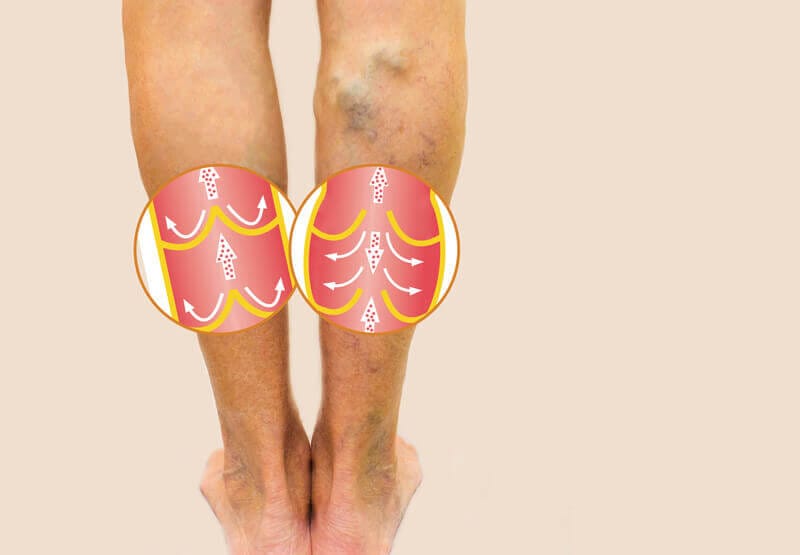
Varicose veins are a common condition characterized by twisted, enlarged veins often visible in the legs. While they can be primarily a cosmetic concern for some, others may experience discomfort. Understanding what leads to varicose veins and how they can potentially be avoided helps individuals take steps to address them early.
Understanding the Causes of Varicose Veins
Varicose veins develop when the valves within veins malfunction, causing blood to pool instead of flowing toward the heart. Several factors can contribute to this problem. One of the most common contributors is prolonged standing or sitting, as these positions increase pressure on the veins in the lower body. When veins are unable to handle this pressure effectively, they start to weaken and become more visible.
Age is another factor. Veins lose elasticity over time which weakens the valve system responsible for proper blood flow. Genetics also plays a role, as having a family history of varicose veins increases the likelihood of their occurrence. Pregnancy can affect blood circulation and lead to temporary varicose veins due to increased blood volume and reduced vein wall strength.
Obesity and a sedentary lifestyle can place undue stress on veins. Both may lead to poor circulation and the development of these veins. External factors such as tight clothing or high-heeled footwear may also adversely impact blood flow, further exacerbating the risk of vein damage.
Minimizing the Risks
While it is not always possible to prevent varicose veins entirely, proactive steps can promote better vein health and reduce risk factors. Physical activity is a key method to strengthen leg veins and improve circulation. Walking, swimming, or cycling encourage healthy blood flow while reducing pressure on the legs. Flexing or stretching muscles during intervals of prolonged sitting or standing also supports consistent blood movement.
Maintaining a consistent, balanced diet can aid in both weight management and vein health. Including foods rich in fiber can help prevent constipation, as this can sometimes impact venous pressure. Adequate hydration also supports proper blood circulation and enhances overall vein function.
Clothing choices can influence vein health. Loose-fitting garments allow blood to circulate without restriction, while compression stockings can provide extra support for individuals at higher risk. Compression stockings help improve blood flow and reduce swelling by applying gentle pressure to the legs.
Supporting Vein Health
Small lifestyle changes might make a difference for individuals who already experience vein-related discomfort or wish to reduce further risks. Elevating the legs periodically throughout the day encourages blood to flow back toward the heart and relieves any pooling in the lower extremities. Engaging in simple exercises like ankle rotations and leg lifts can reduce stiffness and support circulation.
Avoiding excessive heat exposure, such as hot baths or saunas, can prevent vein dilation and improve comfort. If possible, alternating periods of activity and rest helps maintain consistent circulation without overburdening veins. Wearing supportive footwear such as low-heeled shoes can also encourage calf muscle engagement and help prevent vein damage.
Get Treatment for Varicose Veins
Understanding the factors that contribute to vein issues is the first step in addressing and reducing their impact. While genetics and aging are beyond one’s control, lifestyle modifications, and daily habits create opportunities to strengthen vein health and support circulation. Methods such as regular exercise, appropriate clothing, and elevation techniques provide practical ways to reduce strain on veins. Implementing these practices allows individuals to experience both improved circulation and greater comfort.
