


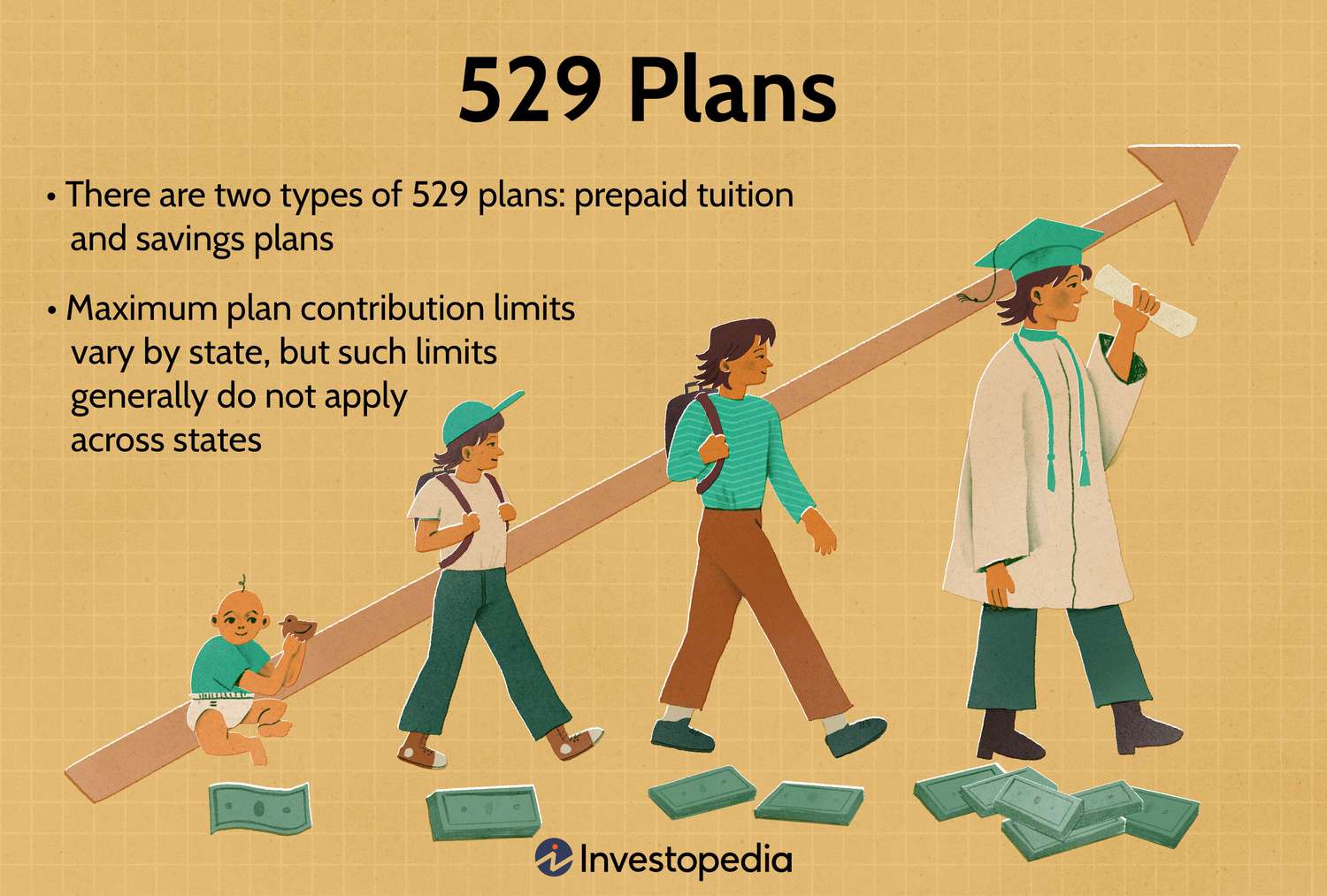
A 529 plan is a tax-advantaged savings plan designed to help families save for future educational expenses. Named after Section 529 of the Internal Revenue Code, these plans offer significant benefits for those looking to fund education for themselves or their children. The plan is sponsored by states, state agencies, or educational institutions, and can be used for qualified education expenses, such as tuition, fees, room and board, and even some K-12 expenses. There are two main types of 529 plans: prepaid tuition plans and education savings plans.
Prepaid plans allow you to lock in current tuition rates for future use, while savings plans invest in mutual funds or other assets, potentially growing your savings over time. The major advantage of 529 plans is their tax benefits. Contributions to the plan grow tax-free, and withdrawals used for qualified education expenses are also tax-free. Additionally, many states offer tax deductions or credits for contributions to a 529 plan, making it a powerful tool for saving for higher education. However, it’s important to understand the specific rules and options that come with each state’s 529 plan before making a decision. For more information, you can visit https://lbccapital.com/american-funds-529/.
Advantages of Investing in a 529 Plan for Education
One of the biggest advantages of a 529 plan is the ability to save for education expenses in a tax-efficient manner. Contributions made to a 529 plan grow on a tax-deferred basis, meaning you don’t pay taxes on the earnings until you withdraw the money. If the funds are used for qualified education expenses, they are withdrawn tax-free. This makes 529 plans an attractive option compared to other types of savings accounts or investments, where earnings might be subject to taxes. Other benefits of 529 plans include:
- State Income Tax Benefits: Many states offer state income tax deductions or credits for contributions to the 529 plan. For families in states that provide these tax benefits, the plan can become even more valuable.
- Flexibility in Beneficiaries: You can change the beneficiary of the 529 plan if your original beneficiary decides not to attend college or if other circumstances arise.
- Easing Financial Burden: With the rising cost of tuition, having a 529 plan can make a big difference in easing the financial burden of paying for education.
These advantages make a 529 plan a powerful tool for saving for education.
How to Choose the Right Fund for Your 529 Plan?
Selecting the right investment options within a 529 plan can significantly impact your savings growth. The first step is to understand your time horizon, or how long you have before you need to use the funds. If you’re saving for a child’s college education and they’re still young, you have more time to invest in riskier, growth-oriented funds, which typically offer higher returns but come with increased risk. On the other hand, if your child is nearing college age, you may want to shift to more conservative investments that preserve the money you’ve saved.
Most 529 plans offer a variety of investment options, such as age-based portfolios, which automatically become more conservative as the beneficiary approaches college age. Another consideration is the expense ratio of the investment options. Lower-cost funds can help your savings grow more effectively over time by reducing the fees associated with your investments. It’s also important to evaluate the performance of the funds over time. While past performance is not always indicative of future results, understanding how a fund has performed in different market conditions can help you make a more informed decision.
Step-by-Step Guide: How to Open a 529 Plan
Opening a 529 plan is a straightforward process, but it’s important to follow the necessary steps to ensure you make the best decision for your education savings goals. The first step is to choose the state-sponsored 529 plan you want to invest in. While you can generally invest in any state’s plan, it may make sense to choose a plan from your home state, as many states offer tax incentives for residents who contribute to their own state’s plan. Once you’ve chosen a plan, you can apply online or through a paper application.
You’ll need to provide basic information about yourself and the beneficiary, such as your name, address, Social Security number, and relationship to the beneficiary. You’ll also need to decide how much money you want to contribute to the plan initially and whether you want to set up automatic contributions for regular savings. After your account is set up, you’ll choose the investment options for your funds, whether that’s an age-based portfolio or other investment strategies. Once your 529 plan is open, you can begin contributing and watching your savings grow, knowing you’re on the path to providing educational opportunities for the future.
How to Maximize the Benefits of a 529 Plan for Future Generations
Maximizing the benefits of a 529 plan involves a combination of smart saving strategies and making the most of the plan’s flexibility. First, start saving as early as possible to take advantage of compound growth. The earlier you begin, the more time your investments have to grow, which can make a big difference in the total amount available when it’s time to pay for education. Another strategy is to contribute regularly, even if the amounts are small. Setting up automatic contributions from your bank account ensures that you stay consistent with your savings goals.
Additionally, consider gifting contributions from family members for special occasions like birthdays or holidays. Many grandparents and other relatives use 529 plans as a way to contribute to a child’s education savings, and some states even offer gift tax benefits for contributions. If your state offers tax incentives for 529 contributions, be sure to take full advantage of those benefits. Finally, remember that the 529 plan is flexible. If the original beneficiary doesn’t need the funds for education, you can change the beneficiary to another family member, such as a sibling or even yourself.
