


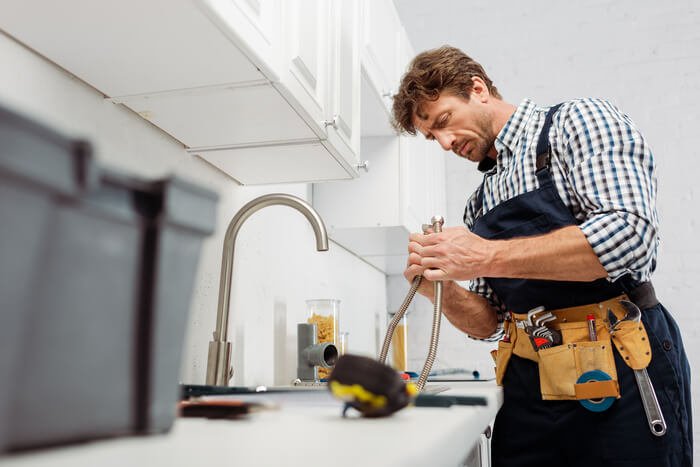
As a landlord, keeping your rental property in pristine condition is crucial not just for attracting reliable tenants but also for maximizing your investment. Regular maintenance ensures that your property remains appealing, reduces costly repairs, and keeps tenants happy. Whether you’re a seasoned landlord or new to property management, following expert advice for maintaining your rental property will save you time and money in the long run.
1. Establish a Maintenance Routine
Regular upkeep is key to preventing bigger issues from arising. Establish a maintenance schedule that addresses the core aspects of the property. Seasonal checks should include:
- HVAC systems: It’s important to have your heating, ventilation, and air conditioning systems serviced twice a year. The fall and spring months are the perfect times to inspect filters, clean ducts, and ensure that everything is functioning properly. Regular maintenance like this helps prevent unexpected breakdowns, especially during extreme weather. If you’re in Pickerington, OH, consider scheduling furnace service and repair to keep your system running smoothly year-round.
- Plumbing: Check for leaks in pipes, faucets, and toilets regularly. Small leaks can turn into expensive repairs if left unattended. Pay attention to water pressure, and ensure that drains are clear to avoid blockages.
- Roof and gutters: Roof maintenance is essential to prevent water damage. Inspect the roof for damaged shingles or signs of wear, especially after storms. Clean gutters at least twice a year to prevent debris buildup that can lead to water pooling around the foundation.
2. Respond Promptly to Tenant Maintenance Requests
Tenants expect that their living space is safe and functional. When issues arise, being responsive and addressing problems quickly is essential for tenant satisfaction. Delayed repairs can lead to tenant frustration, which may result in poor reviews or even early lease termination.
Create an easy system for tenants to submit maintenance requests. Whether through an online portal or a simple email system, ensure your tenants know how to contact you and that you respond promptly. When addressing repairs, prioritize emergency issues like plumbing or electrical failures that could create hazards. For non-urgent requests, set realistic timelines for resolution and communicate clearly with your tenants.
3. Maintain Clean and Safe Common Areas
For multi-family rental properties, keeping common areas in top shape is just as important as maintaining individual units. Dirty or unsafe common spaces can detract from the overall appeal of your property and reflect poorly on your management style. Ensure areas like hallways, stairwells, elevators, and laundry rooms are cleaned regularly. This will not only improve the tenant experience but also keep potential issues like pests at bay.
In addition to cleanliness, consider safety features. Check for adequate lighting in hallways and parking lots, as well as clear walkways. Make sure smoke detectors and fire extinguishers are working and that tenants are aware of emergency exits.
4. Perform Routine Inspections
Conducting regular inspections of your rental property can help you catch problems early, before they become major repair expenses. Schedule inspections at least once a year, ideally before the tenant’s lease is up. This will allow you to assess the overall condition of the property, check for signs of neglect, and identify areas in need of improvement.
During the inspection, check for any maintenance concerns such as water damage, mold, or signs of pests. This is also an opportunity to remind tenants about their responsibility in maintaining the property, such as cleaning and reporting damage.
5. Upgrade Appliances and Fixtures
While regular maintenance is crucial, periodic upgrades can increase the value of your rental property and keep tenants satisfied. When appliances like refrigerators, stoves, or dishwashers start to show signs of age, consider replacing them. Newer, energy-efficient appliances not only reduce the likelihood of breakdowns but also appeal to eco-conscious tenants looking for ways to lower their energy bills.
Regular maintenance is crucial for preserving the value of your rental property. One often overlooked aspect is the roof, which can suffer from wear and tear over time. Ensuring that your roof is in good condition not only protects the property but also enhances its curb appeal. If you’re in need of professional roofing services, visit our Georgetown for expert assistance. By addressing roofing issues promptly, you can prevent costly repairs and maintain a safe, comfortable environment for your tenants. Remember, proactive maintenance is key to a successful rental property investment.
Similarly, updating fixtures like faucets, light fixtures, and cabinetry can improve the overall aesthetic of the property without the need for major renovations. These small upgrades can make a big difference in attracting quality tenants and increasing rental rates.
6. Keep Up with Exterior Maintenance
The exterior of your rental property plays a significant role in its curb appeal. A well-maintained exterior not only attracts potential tenants but also protects your investment. Here are a few areas to focus on:
- Landscaping: A neat and tidy lawn can make a big difference in how your property is perceived. Regularly mow the lawn, trim bushes, and remove weeds. If your property has outdoor spaces like patios or balconies, keep them free of debris and consider adding attractive outdoor furniture to enhance appeal.
- Paint and siding: Over time, the exterior paint may begin to fade or peel. A fresh coat of paint can dramatically improve the property’s look and protect it from the elements. Similarly, check the siding for any damage and repair or replace as needed.
- Driveways and walkways: Ensure that driveways and walkways are in good condition. Cracks in the pavement can create safety hazards, and uneven surfaces can detract from the property’s appeal.
7. Prepare for Tenant Turnover
When a tenant moves out, it’s crucial to prepare the unit for new tenants as quickly as possible. Conduct a thorough cleaning, including carpet shampooing, window washing, and repainting walls that have been damaged or are heavily scuffed. If appliances or fixtures need repair or replacement, handle these issues before showing the property to prospective tenants.
Don’t forget to inspect the property for any signs of damage beyond normal wear and tear. Fix anything that could cause problems for the new tenant or reduce the property’s value.
Final Thoughts
Maintaining a rental property takes time and effort, but the rewards are worth it. By staying on top of regular maintenance tasks, addressing tenant concerns promptly, and investing in upgrades when necessary, you can ensure that your property remains a valuable asset. With a well-maintained rental property, you’ll not only keep your tenants satisfied but also protect your investment for years to come.
