


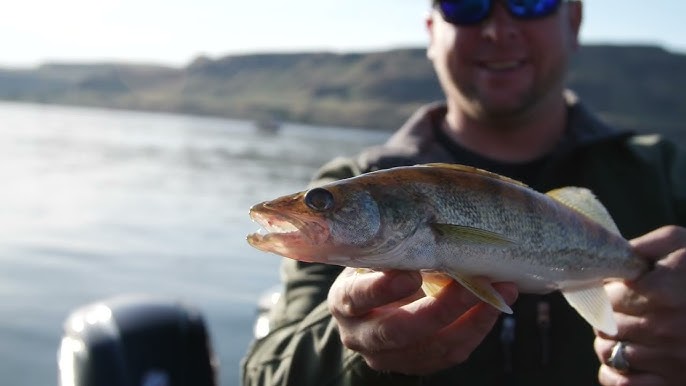
Trolling for walleye on the Columbia River isn’t just about catching fish. It’s about the thrill of the chase, the peaceful rhythm of the water, and the quiet satisfaction of perfecting your technique. Whether you’re a seasoned angler or new to the trolling game, the Columbia River offers one of the best backdrops for targeting these elusive and tasty fish.
The Columbia is massive, stretching over a thousand miles, and with that size comes opportunity. But it also means you’ll need to be strategic if you want to consistently hook into walleye. In this post, we’ll cover the best practices for trolling walleye in the Columbia River, from gear and timing to location and technique. So grab your rod and let’s dive in.
Why Trolling Works for Walleye
Walleye are natural hunters. They love to hang out near structure, cruise along current seams, and ambush baitfish. Trolling allows you to cover more water than casting and gives you a better chance of running your bait past an active fish.
It’s also a flexible method. You can adjust your depth, speed, and lure choice until you figure out what the walleye want that day. And once you dial it in, you can repeat it with great results.
Know Your Seasons
One of the biggest keys to successful walleye trolling is understanding seasonal patterns. Walleye behave differently throughout the year, and knowing where they’re likely to be can save you hours of trial and error.
Spring: Shallow and Hungry
After ice-out, walleye move to shallow water to spawn. During this time, they’re often found near rocky shorelines, gravel flats, and river mouths. This is a great time to troll crankbaits or stickbaits close to shore in 8 to 15 feet of water. Early morning and late evening tend to be the most productive.
Summer: Deeper and Spread Out
As the water warms up, walleye head to deeper, cooler areas. Look for them near drop-offs, channel edges, and submerged humps. This is the time to bring out bottom bouncers, worm harnesses, and deep-diving crankbaits. You’ll likely be trolling in 20 to 40 feet of water, depending on the part of the river.
Fall: Feeding Frenzy
Walleye bulk up before winter, making fall one of the best times to troll. Fish move back to shallower structures and become more aggressive. Larger crankbaits and live bait rigs work well, and you’ll often find walleye in mid-depths, between 15 and 30 feet.
Choosing the Right Gear
Trolling success starts with having the right setup. You don’t need the most expensive gear, but you do need the right tools for the job.
Rods and Reels
Go with a medium-action trolling rod, preferably 7 to 9 feet long. Pair it with a line counter reel so you can control how much line is out, helping you target the right depth consistently.
Line
Many anglers prefer braided line for trolling because it has no stretch and gives you better sensitivity. A 10 to 14-pound test braid is a good all-around option. Use a fluorocarbon leader to make your setup less visible in the water.
Electronics
A good fish finder is one of the best investments for trolling. It helps you locate structure, baitfish, and even walleye. GPS and mapping features are also helpful so you can mark productive spots and return to them later.
Best Lures and Baits for Trolling
The Columbia River walleye diet mainly consists of minnows, shad, and other small baitfish. Mimicking these food sources is key when choosing your trolling presentation.
Crankbaits
Crankbaits are a trolling staple. They come in all shapes and sizes, and different models dive to different depths. Use floating models in shallower water and deep-diving styles when fish are holding deeper.
Match your crankbait to the conditions. In clear water, go with natural colors like silver, gold, or perch patterns. In murkier water, brighter colors like chartreuse, fire tiger, or pink can grab more attention.
Bottom Bouncers and Worm Harnesses
In summer and early fall, bottom bouncing is incredibly effective. A bottom bouncer keeps your bait near the bottom without getting snagged, while the worm harness offers scent and movement that walleye can’t resist.
Slow troll at 0.8 to 1.2 miles per hour and let the spinner blades do the work. Vary your blade shape and color to see what the walleye are responding to.
Lead Core Line and Snap Weights
When fish are holding deep, lead core line or snap weights can help you get crankbaits down to the strike zone. Lead core sinks naturally as you let out more line, and snap weights can be added to mono or braid to help reach specific depths.
Dialing in the Trolling Speed
Speed is one of the most critical factors in trolling. Go too fast, and fish may not strike. Too slow, and you might not cover enough water.
As a general rule:
- Crankbaits: 1.5 to 2.5 mph
- Worm harnesses: 0.8 to 1.2 mph
- Stickbaits or jointed lures: 1.0 to 2.0 mph
Start at the lower end of the speed range and gradually increase if you’re not getting bites. Use your GPS or fish finder to monitor your trolling speed consistently.
Use Planer Boards to Spread Out
Planer boards are a game-changer when trolling for walleye. They let you spread your lines out from the boat, covering a wider area and preventing tangles. This is especially useful when trolling crankbaits in open water or targeting suspended fish.
Planer boards also help avoid spooking fish in shallow water. With your bait running well away from the boat, walleye are less likely to get scared off before your lure reaches them.
Follow the Contours
Walleye relate strongly to structure. They like edges, breaks, and transitions. If you’re trolling in a straight line across flat water, you’re missing out.
Use your electronics to follow contour lines, drop-offs, and channel edges. Adjust your course to stay along these productive zones. If you’re marking bait or fish on your screen, stay with them until the action dries up.
Don’t Be Afraid to Change Things Up
Walleye can be moody. What worked yesterday might not work today. Be prepared to change depths, colors, speeds, or lure styles throughout the day. Often, small tweaks can make a huge difference.
If you haven’t had a bite in 30 minutes, try swapping your lure or moving to a different location. Fishing is part skill, part instinct, and part persistence.
Stay Safe and Legal
The Columbia River is big, and the current can be strong. Make sure your boat is equipped with proper safety gear, and check the weather before heading out. Wear a life jacket, especially if you’re trolling alone or in rough water.
Also, stay up to date on local fishing regulations, visit https://columbiariverfishingadventures.com/fishing/columbia-river-walleye-fishing-how-to-catch-walleye/ to learn more. Limits and rules can vary depending on your location on the river, and seasonal closures may apply.
Final Thoughts
Trolling for walleye on the Columbia River is more than just a method — it’s an experience. You’re not just dragging a lure behind a boat. You’re reading the water, adjusting your tactics, and engaging in a puzzle that changes with every trip.
By understanding the seasons, using the right gear, dialing in your presentation, and staying flexible, you’ll put yourself in the best position to succeed. Whether you’re after a trophy walleye or just hoping for a good dinner, these best practices will help you get the most out of your time on the water.
And when that rod tip finally dips and you feel the weight of a Columbia River walleye on the other end, you’ll know it was all worth it.
