


Every year, many healthcare workers are exposed to dangerous germs in blood while doing their jobs. In the United States, needlestick injuries happen often. This shows why getting a Bloodborne Pathogens Certification is so important.
This training helps keep workers safe and healthy, while also making sure they follow important safety rules. It teaches them how to protect themselves and others. Let’s look at why this certification is helpful and what good training should include.
Understanding Bloodborne Pathogens Certification
So, what exactly does Bloodborne Pathogens Certification entail? This training program is designed to educate individuals and organizations about the dangers posed by bloodborne microbes, such as
- HIV
- hepatitis B
- hepatitis C
It covers the transmission routes, symptoms of infection and the necessary precautions to prevent exposure
Importance of Safety Training
Bloodborne pathogens pose a significant risk in healthcare settings. This makes safety training essential for all staff members. This training is particularly vital for professionals involved in any tasks that may expose them to blood or bodily fluids.
The certification ensures that employees not only understand the risks but also know how to implement effective measures to protect themselves and their colleagues.
Key Components of Effective Training
A comprehensive bloodborne pathogens training course will typically include:
- Types of bloodborne pathogens
- Routes of transmission
- Risk factors
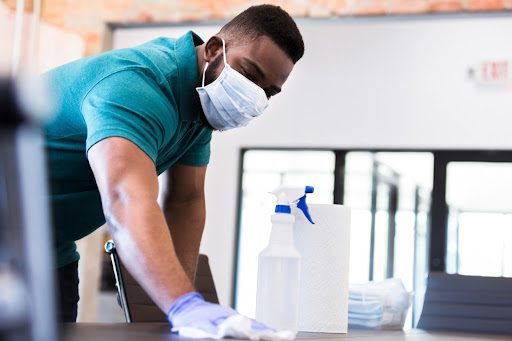
- Use of personal protective equipment (PPE)
- Cleanup procedures for blood spills
- Exposure response actions
- training requirements
This training demystifies common misconceptions surrounding bloodborne pathogens. It leads to better compliance and safer work environments.
Notably, OSHA mandates that employers provide this training to their employees. This is particularly at the time of hire and on an annual basis thereafter.
How to Choose the Right Training Program
When choosing a bloodborne pathogens certification program, there are a few important things to keep in mind. Make sure the program follows OSHA rules and local laws.
It’s also good to find a course that gives hands-on training and real-life examples so it’s easier to understand. Checking reviews from other people who took the class can help you see if it’s effective.
Be sure the course gives you a certificate when you finish, along with the right paperwork. Choosing the right program not only keeps you in compliance but also helps make sure your team learns how to stay safe and use their knowledge in real life.
Employer Responsibilities and Compliance
Employers must keep in line with OSHA’s Bloodborne Pathogens Standard. This ensures all employees receive appropriate training. Regular refresher courses at https://cprcertificationnow.com/products/bloodborne-pathogens-certification are required to maintain compliance and reinforce safe practices.
Failure to comply can result in severe penalties, not to mention increased risk for employees. This could lead to potential health crises.
Your Path to Safety
Getting a Bloodborne Pathogens Certification is an important step to keeping healthcare workers safe. It gives employees the knowledge to protect themselves, while also showing that the workplace truly cares about health and safety. This can help everyone feel happier and work better together.
By keeping workers informed and prepared, we create a healthier future for both employees and the communities they care for. Taking this step today is a smart way to build a safer and stronger workplace.
For more compliance and safety tips, check out our blog posts.
