


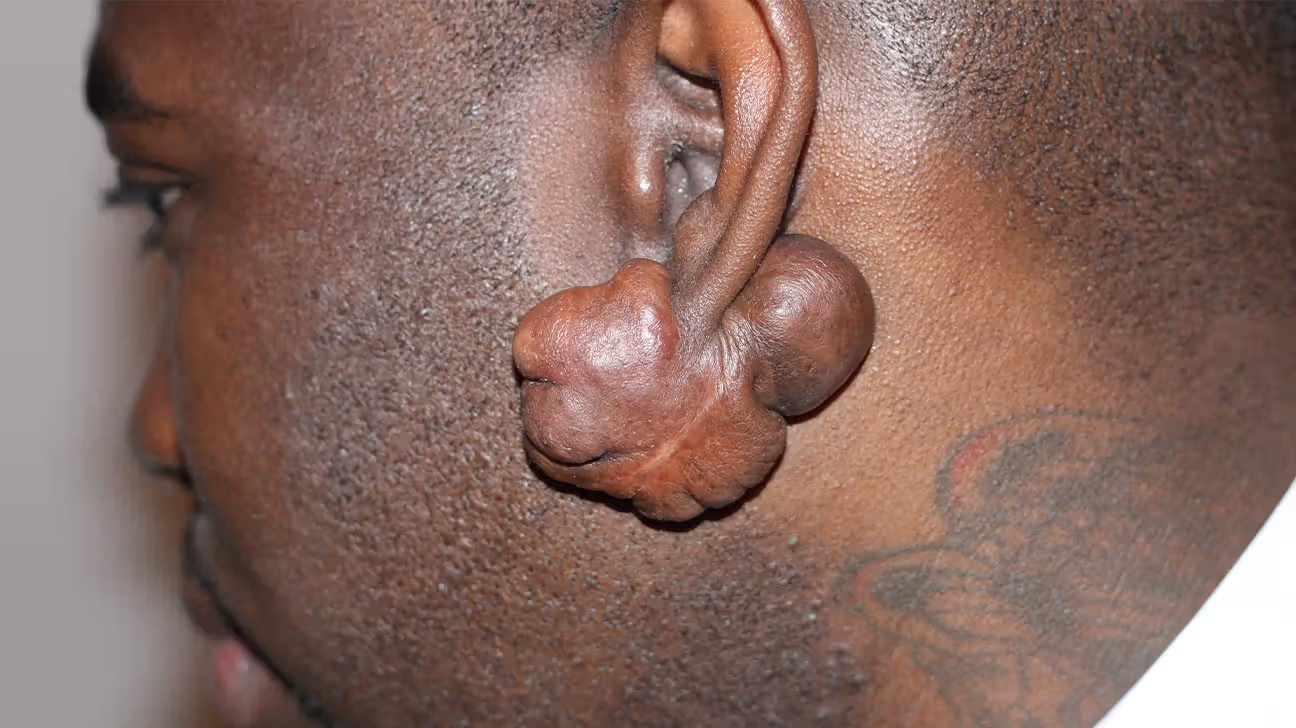
Keloids are one of those things that often feel more than skin deep. For some, they are not just a raised scar but a reminder of an accident, an old surgery, or even something as small as a piercing gone wrong. It can feel frustrating when the scar seems to grow larger instead of fading like most others do.
The struggle with keloids goes beyond appearance. Many people feel a mix of emotions—self-consciousness, discomfort, or even itchiness and pain that can disrupt daily life. It’s natural to start asking if there is any way to remove them completely or prevent them from returning.
Where both medical technology and cosmetic treatments are highly advanced, keloid removal in Singapore has become a sought-after option. Still, the question remains: can keloids ever be removed completely, or is long-term management the more realistic goal?
Why Keloids Form?
Keloids don’t appear because of the injury itself, but rather because of how the skin heals. Instead of repairing itself neatly, the body produces extra collagen, and this excess builds up into a scar that rises above the skin’s surface. For some, it happens after major injuries; for others, even a small pimple or scratch can trigger it.
The Role of Genetics
Family history plays a large part in whether someone develops keloids. If parents or siblings have them, the chances increase significantly. This can feel discouraging, but knowing the risk makes it easier to take precautions early. For example, those aware of their predisposition may think twice before getting piercings or tattoos.
Skin Type and Age
Certain skin types are more prone to forming keloids. They are more common among individuals with darker skin tones and often start appearing between the ages of 10 and 30. This can make the issue especially stressful for young adults who are already navigating confidence and identity.
Location Matters
Where a keloid forms also plays a role in how it grows. Areas like the chest, shoulders, and earlobes are more prone to noticeable scarring. This is partly because of how the skin stretches and the way healing works in these regions. Knowing this gives context to why some scars turn into keloids and others heal quietly without issue.
Treatment and Management
The reality is that keloids are stubborn. Treatments exist, but the results can vary. What works well for one scar may not work at all for another. This makes patience and proper medical guidance essential when exploring different therapies.
Medical Treatments
Doctors often start with corticosteroid injections to help flatten and soften keloids. These injections work by reducing inflammation and slowing down collagen production. In some cases, multiple sessions are needed, and while the improvement is noticeable, there is still a risk of recurrence.
Surgical removal is another option, but it does not guarantee permanent results. In fact, because the skin is injured again through surgery, there is a chance the keloid could grow back even larger. This is why surgery is usually combined with other approaches, such as radiation therapy or steroid treatments afterward.
Non-Surgical Options
Non-invasive methods such as silicone gels or sheets are often recommended as first-line treatment. They help by creating a protective barrier over the scar, which reduces tension and hydrates the area. Over time, this can make the keloid less visible and less uncomfortable. Laser therapy is another alternative, focusing on reducing redness and improving texture rather than completely removing the scar.
Everyday Care and Prevention
Prevention plays a huge role. For those who know they are prone to keloids, avoiding unnecessary trauma to the skin is important. This might mean rethinking elective surgeries, limiting piercings, or taking extra care with acne treatment. Simple measures like using sunscreen can also reduce pigmentation changes that make scars appear more noticeable.
Living with Keloids
Even with the best treatments, most specialists agree that keloids are challenging to eliminate permanently. In Singapore, clinics offering keloid removal often highlight that the goal is not necessarily complete erasure, but instead long-term management and better quality of life. Treatments may reduce size, ease discomfort, and improve appearance, but there is always a chance the scar may return.
What helps is viewing treatment as a journey rather than a one-time fix. By working closely with a doctor, many people find a plan that balances medical treatment with lifestyle adjustments. This could mean a combination of injections, silicone gel, and mindful skin care habits. It may not bring a perfect solution, but it can create confidence in living with skin that feels more comfortable and less overwhelming.
Ultimately, the question of whether keloids can be permanently removed comes with an honest but gentle answer: they are very hard to erase completely, but they do not have to define someone. With the right guidance and persistence, they can be softened, managed, and made less intrusive, giving back both comfort and confidence every day.
