
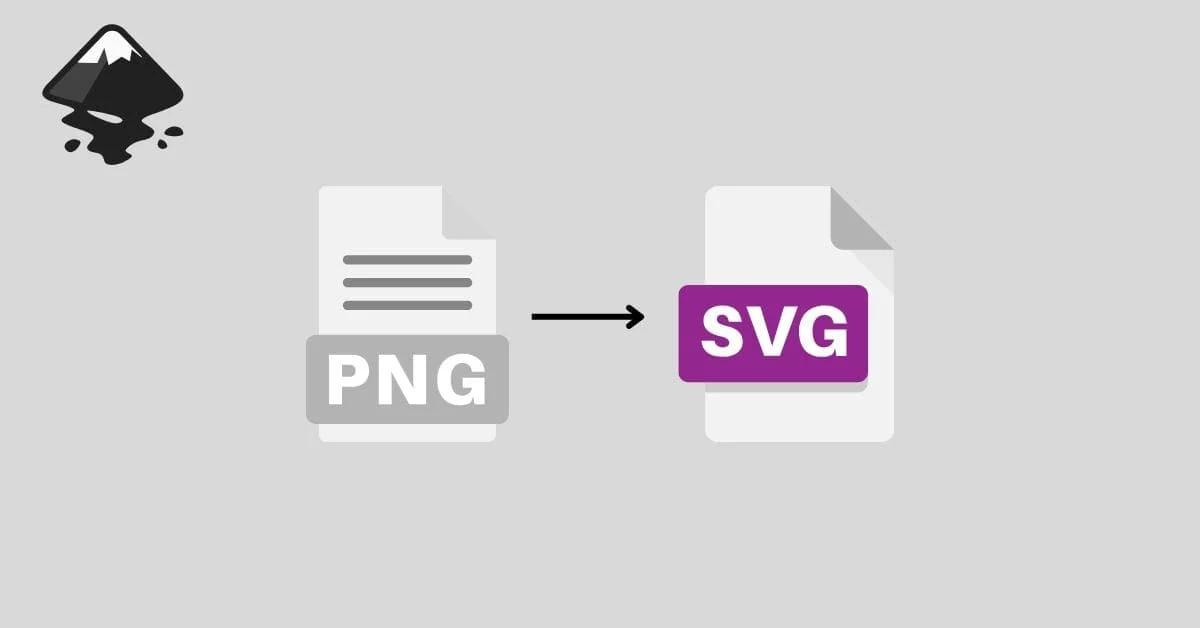
Scalable Vector Graphics, or simply SVG, is a powerful, feature-rich vector image format that has its root in Extensible Markup Language, or XML. Unlike other formats such as JPEG or PNG, SVG is resolution-independent; this means it never loses its quality, no matter the dimensions. That’s what makes it so appealing for web design, digital marketing, and many more domains. Now, let’s have a look at how to convert to SVG, with what tools, and what pragmatic benefits this format provides.
What is SVG?
SVG is an XML-based file format to help a designer or developer generate graphics that can be stretched and are quite interactive. In an SVG image, each element may be well-defined programmatically; thus, it is used to design animations, interactive graphics, and responsive designs.
Why Convert to SVG?
There are several advantages why to convert to SVG:
Better Performance: SVG files are super lightweight and contribute a lot to the performance of your web pages by loading quickly. Quicker load times mean happier users and even a boost in SEO rankings.
Responsive and Flexible: SVG graphics scale perfectly to every screen size and resolution, from smartphones to large monitors. They never lose quality and thus are just perfect for responsive designs.
Easy to edit and animate: Due to the fact that SVGs can be edited using CSS, JavaScript, or HTML, the possibilities for animations, hover effects, or even real-time data changes on your site become endless.
Very versatile: Everything from simple icons to complex charts or illustrations can be realized with SVGs, making them the preferred format in a wide array of design work.
Challenges and Solutions
Despite its several advantages, converting to SVG has its own set of challenges:
Difficulty in Conversion Converting a very detailed or photorealistic image will make the SVG file very huge or messy. Better pre-simplify the image before converting, or use Vector Magic.
Limited Support for Older Browsers While modern browsers support SVG, older ones might not render them properly. Include fallback options, such as PNGs, for broader compatibility.
Learning Curve Beginners may find SVGs and vector editing tools intimidating. Start with online converters or tutorials to build confidence.
Conclusion
The switch to SVG provides the most sensible solution if one aims for scalable, interactive, and lightweight graphics. From web design through print design to data visualizations, SVG is unbeatably flexible and high-performance. At the same time, you have a lot of room for easy implementation in your work by making use of the tools and best practices available in this respect.
