


Every morning, millions of people around the world wake up with one silent challenge: blood sugar. Diabetes doesn’t usually announce itself with major changes; its symptoms often creep in gradually, and its damage can be devastating if left unchecked. But here is the truth many overlook: you can fight back. You can cut your risk of complications, reclaim your health, and live with more energy, clarity, and purpose. The journey is not easy, but with the right knowledge and plan, defeat is possible.
In this article, we’ll walk you through evidence-based strategies to blunt the impact of diabetes, manage it daily, and build a healthier tomorrow for yourself or those you care about.
Understanding Diabetes and Its Impact
Diabetes arises when the body fails to regulate glucose properly—either because the pancreas does not make enough insulin or the body no longer responds to it effectively. Over time, chronically high blood sugar levels damage blood vessels and nerves. Type 1 diabetes results from the autoimmune destruction of insulin-producing cells. Type 2 diabetes is often linked to obesity, inactivity, genetics, and diet. It involves insulin resistance. Gestational diabetes appears during pregnancy and can raise the lifetime risk of Type 2 for both mother and child.
Diabetes demands constant vigilance—tracking numbers, sticking to diet guidelines, managing stress, and making tough decisions when levels don’t cooperate. Recognizing this broader impact helps you see that managing diabetes is more than numbers; it’s preserving quality of life and future health.
Finding the Right Treatment Plan
Securing a reliable treatment plan is one of your strongest defenses. You need a team that understands your body, your habits, and your constraints. For instance, at Nirvana Healthcare, you will find experienced doctors who craft personalized treatment plans that combine lifestyle changes, medications, or insulin therapy if necessary, and ongoing support.
When choosing a facility, look for these traits: expert endocrinologists or diabetologists, registered dietitians or diabetes educators, on-site lab and screening services, flexibility (appointments, telehealth), and continuity of care.
A trustworthy center integrates all these, so you don’t bounce between disconnected services. A good plan adapts as your body responds, with periodic reviews and adjustments.
Eating Smart for Blood Sugar Control
Diet sits at the heart of diabetes management. You don’t need to follow rigid, joyless rules—but you must eat with awareness. Emphasize whole, non-processed foods: vegetables, lean proteins (fish, poultry, beans), whole grains, nuts, seeds, and healthy fats. Cut back on refined sugars, sugary drinks, excessive processed carbs, and added salt. Spread your carbohydrates evenly across meals to avoid blood sugar spikes.
Portion control matters. Even healthy foods can push levels high when consumed in excess. Learn to read labels, and prefer foods with a lower glycemic index. Drink water instead of soda or sugary juices. Finally, plan meals rather than reacting on the fly. Having a regular eating schedule helps your body predict and manage insulin responses better.
Exercise: The Natural Regulator
Movement acts like a biological reset button for glucose. When your muscles contract during exercise, they take up more sugar from the bloodstream, even without insulin. Over time, regular activity improves insulin sensitivity, lowers fasting glucose levels, and helps reduce weight.
You don’t need to run marathons. Aim for 150 minutes per week of moderate activity—walking, cycling, swimming, dancing—or 75 minutes of more vigorous effort. Add resistance training (weights or bodyweight) two or three times a week to build muscle, which further improves glucose disposal.
Managing Stress and Sleep
Stress and sleep may not seem directly linked to diabetes, but they both have powerful effects on blood sugar. Stress causes the body to release cortisol and adrenaline. As a result, the liver releases more glucose into the bloodstream, which can lead to higher readings. Chronic stress also affects your appetite, often pushing you toward comfort foods high in sugar and fat.
Simple daily habits can help manage stress: deep breathing, meditation, yoga, journaling, or even a short walk outside. Taking small breaks during the day prevents emotional overload. Prioritize things that make you feel calm, whether that’s music, reading, or spending time with supportive people.
Sleep is equally important. Poor sleep affects how your body uses insulin. Adults should aim for seven to nine hours each night. When your sleep improves, you’ll notice more consistent glucose readings, better mood, and higher energy levels.
Medication and Monitoring Made Simple
Diabetes medication isn’t a sign of failure—it’s a tool to help your body function better. Many people manage their condition with a mix of oral medications, injectable drugs, or insulin. The right combination depends on your blood sugar levels, lifestyle, and how your body responds over time. Working closely with your healthcare provider ensures your medication plan matches your real needs.
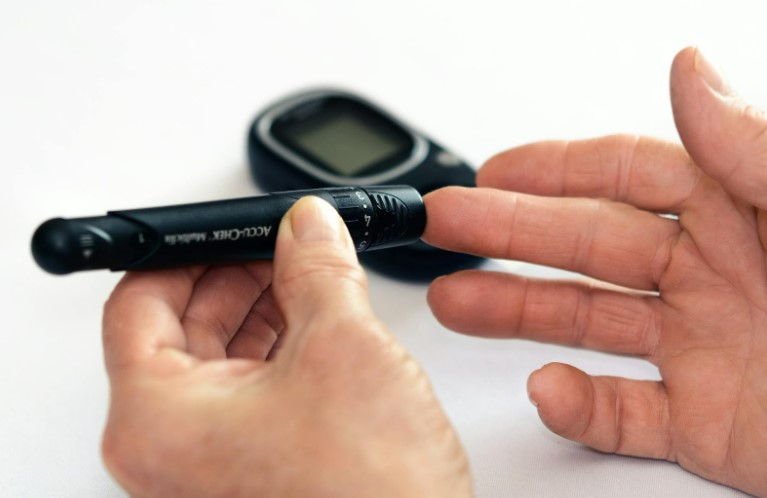
Monitoring your blood glucose gives you daily insight into what works and what doesn’t. Whether you use a traditional meter or a continuous glucose monitor (CGM), consistency matters more than perfection. Checking before and after meals helps you understand how certain foods or activities affect your readings. Keep a simple log, either on paper or through an app, to discuss patterns with your doctor.
Preventing Complications and Staying Motivated
Once your diabetes is under control, the goal is to keep it that way. Prevention starts with consistency. Regular checkups with your doctor can detect problems early. Annual eye exams, kidney function tests, and foot checks are essential for long-term protection.
Motivation can fade, especially when progress feels slow. That’s why setting small, realistic goals is key. Celebrate simple wins—lower A1C, improved fitness, better meal planning. Every improvement counts. Motivation often grows when you see real progress and feel physically better.
Stay informed about new treatments and technologies. Diabetes care continues to evolve, and newer options often make management easier.
Defeating diabetes isn’t about a single magic pill or perfect behavior. It requires a smart, flexible plan and steady commitment. By following these tips, you can stack the odds in your favor. As you move forward, know this: every smart choice today adds up over weeks, months, and years. You can shape your future health. The battle is hard, but it is winnable—and that path to a healthier tomorrow begins now.
