


In the midst of the digital noise, there’s a marketing channel that’s making a powerful comeback – direct mail. Despite the rise of social media and emails, 42.2% of Americans eagerly anticipate checking their mailbox daily.
This blog post explores direct mail marketing, exploring its evolution, current trends, and future predictions. We’ll also discuss key statistics that highlight direct mail’s effectiveness, such as its impressive 4.4% response rate, dwarfing email’s 0.12%.
We’ll also explore how direct mail campaigns can increase response rates by 135% simply by personalizing the recipient’s name. From comparing the open rates of email vs direct mail to discussing the integration of digital and direct mail strategies, this blog post is a comprehensive guide for anyone looking to navigate the direct mail industry.
So, whether you’re a seasoned marketer or a business owner looking to cut through the digital clutter, stay tuned for an insightful journey into the world of direct mail marketing.
Understanding the Landscape of Direct Mail Marketing
We’ll explore how direct mail has adapted to the changing times, and why it continues to be a vital part of a comprehensive marketing strategy. Amidst the digital noise, direct mail marketing has proven to be a resilient and effective tool, offering a unique way to reach and engage with customers.
The Evolution of Direct Mail Marketing
The art of direct mail marketing didn’t sprout overnight. Over the centuries, since the US postal service began in the 18th century, this form of marketing has been skillfully crafted and continuously refined, establishing itself as a crucial part of any marketer’s promotional toolbox.
Factually speaking, the first marketing mail was fired off almost a century after the inception of the postal service, painting the dawn of a new era — the era of direct mail. It intrinsically wove itself into the fabric of business promotion tactics, proving invaluable to marketers and businesses across a varied spectrum of industries.
One might think that in this digital age, direct mail marketing might feel like an archaic strategy, perhaps only exciting the 42.2% of Americans who fancy checking their mailbox daily. But then, the statistics, as well as our experience, tell a rather captivating story.
In 2021, US households received, on average, 361 pieces of marketing direct mail and 94 pieces of non-profit direct mail. Why would marketers still cling on to this old-school tactic? The answer lies in the two-way street that direct mail paves — it’s not just impactful for businesses but also received well by consumers.
Marketers relish measurable campaigns, and the flexibility of direct mail facilitates just that, allowing an easy gauge of campaign success. Interestingly, the automobile industry leads in its use with 70%, followed closely by travel and hospitality, financial services, and retail.
But let’s take a moment to step beyond the numbers and view direct mail marketing for the beast it truly is. Amidst the digital noise of emails and social media, direct mail has remained steadfast, even in the face of modern, flashy marketing strategies. It’s like the unsinkable ship of the marketing world, constantly battling the digital waves and emerging victorious. This mirrors the reality of direct mail’s evolution — a true testament to its enduring power and resiliency within the broad landscape of marketing.
The Role of Direct Mail in the Digital Age
In today’s digital era, the marketing landscape is persistently drowned in an onslaught of online promos, pop-up ads, and email campaigns. Amid this digital noise, direct mail marketing has managed to sustain its relevance and efficacy. Unlike the fleeting digital promotions, marketing mail provides a tangible and personalized touch that consumers crave.
Direct mail offers an intriguing alternative to digital engagement fatigue. According to the USPS, an average American household receives a mere 454 pieces of marketing mail per year. On the other hand, the daily online ads exposure ranges from 6000 to 10000. This overpowering digital exposure has led to digital fatigue, turning direct mail into a more appealing touchpoint for consumers.
Moreover, numerous studies have indicated the power of direct mail in enabling a deeper connection with the audience. It demands less cognitive effort and offers a break from the onslaught of digital content, thereby helping businesses establish a more impactful interaction with their clients.
Nevertheless, striking the perfect balance between digital and direct mail is crucial. Using multiple channels to promote an advertisement significantly increases the likelihood of customer response, suggesting that integrating direct mail and digital strategies can amplify campaign performance.
The role of direct mail in this digital-dominated era might come across as paradoxical, but it is far from antiquated. Therefore, smart marketers must not neglect the power of direct mail in cutting through the digital clutter and leaving a lasting impression.
Emerging Trends in Direct Mail Marketing
Here are the direct mail industry trends set to shape the industry in 2025:
Personalization: More and more, customers are expecting communications that are crafted specifically for them. Many direct mail companies are exploring innovative ways to tailor each mail piece to the interests and needs of the individual recipient to increase response rates.
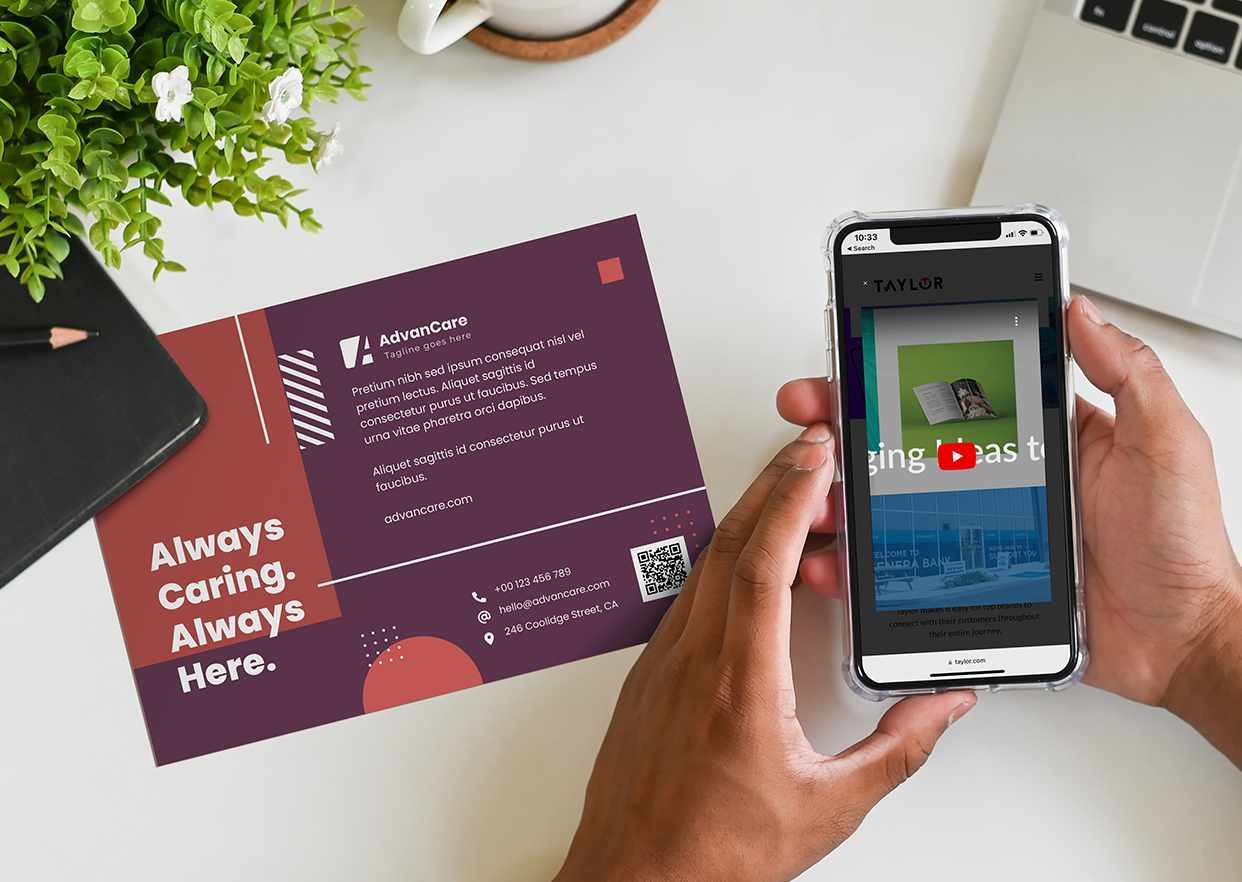
Integration with Digital Channels: With people consuming more digital content than ever, smart marketers are finding ways to integrate their direct mail campaigns with their online initiatives. This could be something as simple as including a QR code in the mail piece that takes the recipient to a specific page on the website.
Sustainable Practices: With growing concerns about environmental impact, many marketers are seeking environmentally friendly methods for their mail campaigns. Recyclable materials and eco-friendly inks are just some ways companies are making their direct mail campaigns more sustainable.
Enhanced Data Analytics: In 2025, we can expect to see an increase in the use of data analytics in direct mail. This allows companies to better understand their audience and track the success of their campaigns, leading to more effective marketing strategies.
Innovation in Mail Formats and Designs: In an effort to stand out, many companies are looking beyond traditional mail formats. From unique shapes to surprising textures, expect direct mail to get more creative in 2025.
The Use of Augmented Reality: This technology, while still new, has the potential to revolutionize direct mail. Imagine scanning a picture in your mail piece that then comes to life on your phone screen – that’s the promise of augmented reality. By creating an immersive experience, marketers can catch and hold the attention of their target audience.
Stay ahead of these trends to create impactful and effective direct mail campaigns in 2025.
The Effectiveness of Direct Mail Marketing
In the realm of marketing, the effectiveness of a strategy is often measured by its ability to elicit a response from the target audience. Direct mail marketing, despite being a traditional method, has proven its mettle in this regard time and again. It’s not just about sending out mailers; it’s about creating a tangible connection with the customer, which often leads to a higher response rate.
The statistics on the effectiveness of direct mail marketing are compelling. It’s not just about the high open rate, but also about the longevity of the mail response. Unlike digital campaigns that can be easily ignored or forgotten, direct mail tends to stay with the recipient, often leading to a more significant impact. This section will delve into the effectiveness of direct mail marketing, providing insights into why businesses should consider this strategy in their marketing mix.
Direct Mail vs. Email: A Comparative Analysis
Direct mail continues to claim its rightful place in the marketing landscape, particularly when compared to email marketing. Contrary to popular belief, the statistics show that the engagement with direct mail can be drastically higher than that of emails. While emails reign in our digital world, it’s direct mail that remains king in terms of recall and impact.
Direct mail’s physicality makes it easier to digest and remember. Surprisingly, it takes 21% less cognitive effort to process information via direct mail than digital media. Along with this high open rate, the overall response rate of direct mail is impressive, leading to more effective engagement.
Furthermore, the average lifespan of a direct mail piece extends up to 17 days, while an email often only lasts a mere 17 seconds. This longevity allows consumers to consider the contents thoroughly and revisits the information if they need. What does this mean, you ask? It reiterates the staying power of direct mails.
Email is notoriously intrusive, hence the massive 57% of customers who disable email addresses due to onslaughts of messages. On the contrary, research points out that about 50% of consumers, especially those aged 35-55 years, appreciate the thoughtfulness behind receiving direct mails from brands. The perceived value is higher.
Joining statisticians worldwide, let’s dive deeper. With a strong base of 80-90% in its corner, direct mail edges out email, which struggles to reach the 20-30% ballpark. Consequently, direct mail beats out email at each turn, demonstrating a remarkable ROI and ensuring that it remains a leading player in the marketing arena.
The point to note here is that while emails gather dust in our backlog, direct mail presents a unique opportunity to cut through the clutter. In short, the gamble on direct mail is a high-stakes game of understanding and taking advantage of its inherent qualities over digital counterparts, such as email. As substantiated through the statistics, direct mail marketing continues to be a force to be reckoned with, celebrated for its effectiveness.
How Direct Mail Influences Consumer Behavior
The influence of direct mail on consumer behavior is unmissable, with ample data demonstrating its effectiveness. In an era of digital exhaustion, direct mail gives consumers a refreshing alternative. It offers a tactile experience that paves the way for more memorable and impactful interactions with brands. This explains why a significant percentage of consumers can recall brand names from print mail pieces more successfully than from digital ads.
Scientific research further strengthens these statistics. Studies have shown that it takes 21% less cognitive effort for consumers to process direct mail pieces than digital marketing. This ease of processing significantly boosts the power of direct mail advertisings, leading to a higher brand recall rate.
In fact, brand recall rates for direct mail are reported to be 70% higher than for digital ads. This goes hand in hand with studies showing that a high percentage of consumers say direct mail makes them feel valued as a customer, and households receive, on average, 454 pieces of marketing mail per year. Despite this volume, direct mail maintains a high open rate, a vivid demonstration of its allure.
Furthermore, the functionality of direct mail also extends to speed up the purchase process. A notable statistic states that with direct mail, about 73% of purchase decisions take only a day or longer, which can substantially shorten buying cycles. These response rates and impressive statistics on effectiveness make direct mail a very beneficial and potent tool in marketing strategies.
Given these solid numbers, marketers need to understand and harness the potential of direct mail fully. Even in the digital age, this evergreen form of marketing continues to be a reliable method of connecting with customers. Thus, the trend of using direct mail as an integral part of marketing campaigns is expected to continue growing in the coming years, simply because of the profound influence it has on consumer behavior.
Innovations and Advances in Direct Mail Marketing
In the ever-evolving world of marketing, the direct mail industry is not being left behind. As we approach 2025, the industry is witnessing a wave of innovations and advances that are reshaping the way businesses communicate with their target audience. These changes are not only enhancing the effectiveness of direct mail but also ensuring its relevance in the digital age.
From integrating direct mail with digital channels to personalizing mail pieces for hyper-targeting, the industry is leveraging technology and data analytics to stay ahead of the curve. Additionally, the industry is also embracing sustainable and eco-friendly practices, reflecting the growing consumer consciousness towards environmental sustainability. These trends are not just shaping the direct mail industry but are also setting the stage for its future.
Integration of Direct Mail with Digital Channels
Today’s direct mail marketers are embracing digital advances to create a uniquely dynamic, dual-format outreach strategy. They’re integrating good old-fashioned mail with trendy digital channels to interact with their audiences in more meaningful and impactful ways. So, what does this integration look like?
The main game-changer is the use of personalized or shortened URLs, QR codes, and unique promotional codes embedded in direct mail pieces. These not only add value to physical mailings but also bridge the gap between print and digital communication. Scanning a QR code on a paper mailer can lead recipients to a brand’s website or a specific landing page instantly.
More and more businesses are leveraging this trend to offer an omnichannel experience to their users. For instance, a digital and direct mail combo has shown to raise awareness and recognition, helping brands to stand out in crowded digital inboxes and leading to better engagement rates.
A popular direct mail trend in 2025 is using social media platforms and emails to announce an upcoming direct mail piece. This creates a sense of anticipation for the physical mail, making the audience more likely to interact with the physical mailer when it arrives. A case in point is the recent successful combination of direct mail and Facebook campaigns that led to a surge in marketing ROI for one of the direct mail industry’s clients.
The integration of direct mail with digital channels is more than just a trend; it’s proving to be a revolutionizing strategy that’s breathing new life into the mail industry. The key ingredients to this success are the advances in printing and data management, which provide seamless execution of these omnichannel campaigns.
The positive impact and the tremendous potential make this innovation a noteworthy development in the direct mail sector’s evolution. It wouldn’t be an exaggeration to say that the ability to enhance physical mail with digital communication elements has catapulted the direct mail format into the digital age. As we move towards the mid-2020s, integrating direct mail with digital mediums is rapidly becoming not just an option, but a crucial pillar in a successful marketing strategy.
Personalization and Hyper-Targeting in Direct Mail
Personalization and hyper-targeting are revolutionizing the direct mail industry. The advent of sophisticated data analytics capabilities has opened up avenues for customizing direct mail content down to the individual recipient level.
In the era of digital communication, the unique charms of customized physical mail can create a deep-seated impression in the minds of the audience. However, it’s not enough to just print the recipient’s name on the mail piece anymore. A direct mail piece needs to be an extension of their identity, reflecting what they like, their behavioral patterns, preferences, and even their purchasing habits.
That’s where hyper-targeting comes into play. It goes beyond traditional personalization by incorporating granular data about the recipient’s interactions, behaviors, and preferences.
The power of personalization can be further enhanced by color. According to a study by the Rochester Institute of Technology, when a direct mail piece is personalized with the recipient’s name and color, the response rate surges by an astonishing 135%.
Sustainable and Eco-Friendly Practices in Direct Mail
As we look ahead to 2025, it’s clear that sustainable and eco-friendly practices are set to take center stage in the direct mail industry. Consumers are becoming increasingly conscious of their environmental footprint, and as a result, businesses are under pressure to align with these values. This trend has given rise to an innovative approach in direct mail, one that focuses on reducing harm to the environment while emphasizing quality and impact in communication.
In this stride towards mindful marketing, the use of recycled paper, vegetable-based inks, and eco-friendly packaging has skyrocketed. These materials are not just a step toward sustainability, but also an embodiment of quality, reflecting the brand’s dedication to responsible conduct.
However, this trend doesn’t stop at the choice of materials. Echoing this commitment to the environment, many direct mail messages also encourage customers to recycle or correctly dispose of the material they’ve received. It’s a clear signal that the industry is moving in the direction of ‘responsible sourcing,’ intertwining the message of sustainability within the communication itself.
The rise in popularity of terms like “FSC” (Forest Stewardship Council), “recycled paper”, and “responsible sources” are indications of growing consumer awareness and concern for the environment. And although these terms have seen fluctuations in popularity over recent years, their overall growth indicates a sustained interest in sustainable practices.
In a nutshell, as we approach 2025, the direct mail industry is increasingly merging its offerings with eco-friendly practices. And rather than a mere trend, it seems to have become an integral part of the industry’s identity, shaping the way businesses communicate and send signals around their brand ethos. The future, indeed, looks green.
The Future of Direct Mail Marketing
As we step into the future, the landscape of marketing continues to evolve, and direct mail is no exception. Despite the digital age, direct mail marketing remains a powerful tool in the marketer’s arsenal. It’s a medium that has stood the test of time, and as we look ahead, it’s clear that direct mail will continue to play a pivotal role in reaching and engaging audiences.
In the upcoming sections, we’ll delve into the predicted trends for direct mail in 2025 and explore how direct mail will shape future marketing strategies. We’ll discuss how direct mail is adapting to the digital age, the role of offers and promotions, and how direct mail statistics on effectiveness are influencing marketing decisions. So, let’s embark on this journey to understand the future of direct mail marketing.
Predicted Trends for Direct Mail in 2025
Here are the top predictions for direct mail trends in 2025:
- Personalized Mail: In an era dominated by digital solutions, the charm of personalized direct mail will continue to hold appeal. Tailored offers, promotions, and content designed for specific audience segments will drive higher conversions.
- Integration with Digital Channels: Direct mail and digital will not stay in separate silos. The trend of integrating direct mail with digital marketing strategies will become more pronounced, enhancing the overall impact of marketing campaigns.
- Sustainable Practices: With sustainability becoming a key value for consumers, eco-friendly practices in direct mail production will gain prominence. Recyclable materials and environmentally-friendly printing processes will make their mark.
- Data-Driven Analytics: Utilizing enhanced data analytics, direct mail will become more precise. Marketers will leverage data to better understand their audience, deliver targeted messages, and measure the direct mail’s effectiveness more accurately.
- Innovative Designs & Formats: As consumers crave novelty, expect to see a rise in innovative design formats. Creative and engaging direct mails will captivate the audience’s attention and promote better responses.
- Interactive Elements & Augmented Reality: The digital age will permeate direct mail with augmented reality (AR) and interactive elements. These can provide an immersive and engaging experience, heightening the effectiveness of the direct mail campaign.
The Role of Direct Mail in Future Marketing Strategies
As we navigate the digital age, the identity of direct mail as a marketing channel certainly has a place in future marketing strategies. Direct mail’s prominence may seem counterintuitive given the rise of online communication, but in fact, this shift to digital has only boosted the significance of direct mail in a number of ways.
First, there is simply less competition in the physical mailbox. While our inboxes are overflowing with promotional emails, a well-organized piece of direct mail featuring a great offer or promotion can stand out. Recipients can physically touch and connect with it, which adds a personal element missing in digital alternatives.
Second, studies show email response rates lag behind those of direct mail. Direct mail response rates average 4.4% for both B2B and B2C mailings, compared to email’s average response rate of 0.12%. Considering the direct mail statistic on effectiveness, businesses may see higher engagement and conversion with direct mail.
Moreover, the integration of direct mail and digital strategies is becoming increasingly more streamlined. Strategies that use both email and direct mail can boost your overall reach. For instance, a customer might ignore your email, but when a similar offer arrives via mail, they could be prompted to act.
Lastly, direct mail has the potential to be faster than email. Depending on the complexity of the campaign, direct mail can be out the door 24 to 72 hours after a list is received.
Hence, with unique advantages, the role of direct mail in future marketing strategies is unquestionably significant. The key is to incorporate it into an omnichannel approach and consistently analyze the results to further optimize the campaign.
Wrapping Up: The Power and Potential of Direct Mail Marketing
Wrapping up, the potential of direct mail lists is immense. They are a powerful tool that can help you reach your target audience, ensuring your message is delivered to the right people. Whether you’re a small business owner or a large corporation, a well-curated mailing list can significantly boost your marketing efforts.
Remember, the quality of your mailing list is crucial. It’s not just about the quantity, but the relevance and accuracy of the contact information. Take the time to understand your audience, their interests, and their needs. This will help you create a more targeted and effective direct mail campaign.
In conclusion, direct mail lists are an invaluable asset for any business. They offer a cost-effective and efficient way to reach out to potential customers, grow your customer base, and ultimately, drive your business forward. So, don’t wait—start leveraging the power of direct mail lists today! Cactus Mailing can help you curate the perfect list to maximize your marketing impact!
