


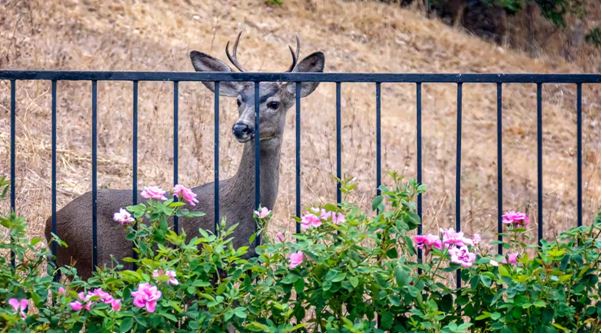
Gardening can be a peaceful and rewarding hobby, but for many, the challenge of keeping deer and other wildlife at bay can turn it into a frustrating battle. One of the most common questions is whether deer can jump over fences and how to effectively secure gardens against these agile creatures. Understanding the behaviors of deer and incorporating the right fencing solutions can make a significant difference in protecting plants and crops.
Understanding Deer Behavior
Deer are known for their incredible agility, capable of jumping over obstacles up to 8 feet high. This impressive ability is one reason why many gardeners face difficulties in keeping them out. However, deer are also cautious animals. They rely heavily on their vision and are less likely to attempt to jump over fences that they cannot easily judge the height of. This insight can be leveraged when choosing the right fencing for gardens.
Why Height Matters
The height of a fence is a crucial factor in deterring deer. While it might seem logical to go as high as possible, the type of material and the design of the fence play significant roles as well. Fences that are taller than 7.5 feet generally provide a good level of security against deer. However, the visibility of the fence also matters; if it is too solid or has a defined top rail, deer can gauge its height and may attempt to jump over it.
Choosing the Right Fence for Your Garden
When selecting a fence to keep deer out, it’s essential to consider the material and its effectiveness in creating a barrier. Various options are available, including poly and metal fencing, each with distinct advantages.
Poly Fencing
Poly fencing is lightweight yet strong, often constructed from polypropylene. It typically has small openings (2 inches or smaller) and is designed to be virtually invisible from a distance, blending seamlessly into the garden landscape. This type of fencing is not chew-proof, but its high breaking strength makes it an excellent choice for deterring deer.
Metal Fencing
Metal fencing offers a robust alternative to poly fencing. It is chew-proof and comes in various opening sizes, such as 2×4 or 1×1. While it requires more posts due to its weight, its durability and strength are unmatched. Metal fences can be coated in black PVC to reduce visibility, making them less likely to be approached by deer.
Installation Tips
The installation of deer fencing can significantly impact its effectiveness. Here are some best practices to ensure maximum security for your garden:
- Height Matters: Ensure your fence is at least 7.5 feet tall. This height will keep most deer at bay, as they are less likely to attempt jumping over such a height.
- Visibility: Consider the design of the fence. A see-through fence without a top rail can confuse deer, making them less likely to attempt jumping. Hanging warning banners can also alert them to the fence’s presence.
- Ground Stakes: Use ground stakes at the bottom of the fence to prevent deer from burrowing underneath. The unique overlap design at the bottom of quality fencing products can help create a solid barrier.
- Regular Maintenance: Regularly check the integrity of the fence. Over time, wear and tear can create weak points that deer could exploit.
The Benefits of Professional Installation
For those who may not feel confident in their ability to install fencing, seeking professional help is a wise option. Companies like BennersGardens have extensive experience in garden fencing and can provide tailored solutions that ensure gardens are secure from deer and other wildlife. Professional installers understand the nuances of fencing materials and can offer insights on the best options for specific garden layouts and local deer populations.
Custom Quotes and Options
When planning to install a deer fence, it’s helpful to get custom quotes that reflect the specific needs of your garden. This step ensures that the chosen materials not only fit the aesthetic of the garden but also provide the necessary security. BennersGardens offers a range of products, including complete fence kits that come with everything needed for installation, making the process seamless.
Enhancing Your Garden Security
In addition to fencing, there are other measures gardeners can take to enhance security against deer:
- Plant Selection: While no plant is entirely deer-proof, some species are less appealing to these animals. Incorporating plants that deer tend to avoid can reduce the risk of damage.
- Scare Tactics: Utilizing motion-activated devices or reflective materials can help startle deer and keep them away from the garden.
- Regular Monitoring: Keeping an eye on the garden and noting any signs of deer presence can help gardeners take proactive measures before significant damage occurs.
Final Thoughts
Protecting a garden from deer requires a combination of understanding deer behavior, selecting the right fencing, and maintaining vigilance. By choosing high-quality materials, ensuring proper installation, and implementing additional deterrents, gardeners can successfully safeguard their plants and crops. With the right strategies in place, it is entirely possible to enjoy a thriving garden without the threat of deer damage. If you’re interested in exploring your options further, visit BennersGardens.com for expert advice and a variety of fencing solutions tailored to your needs.
Taking action today can lead to a more secure and flourishing garden tomorrow!
