


Ever heard your toilet hiss at midnight? Or your kitchen sink start gargling like it’s about to argue with you? Maybe it’s the soft thump behind the wall just as you’re drifting off to sleep. Most people brush these things off. It’s just the house settling, right? Until one day it’s not. One day, that quiet drip becomes a swollen ceiling. Or the gurgle turns into a full-blown backup, right before guests arrive.
In Pompton Lakes, where older homes meet newer renovations, these noises aren’t just weird—they’re warnings. And in a world increasingly focused on smart devices and remote living, it’s ironic how many people still ignore the most basic signals coming from their own walls. We invest in home security systems that detect motion but shrug off the sound of water trickling where it shouldn’t.
Your home is communicating all the time. The question is whether you’re listening. In this blog, we will share how to decode the sounds your house makes before small annoyances turn into big, wet, expensive problems.
When Noises Mean Trouble, Not Character
People often mistake noisy homes for charm—the creaky floors and clanking pipes feel “vintage.” In reality, those sounds often signal plumbing trouble, especially in older houses. A slow flush followed by gurgling can mean a clogged vent or drain, and ignoring it can lead to a full backup.
Banging pipes, or “water hammer,” occur when water stops suddenly, creating pressure that can burst pipes—especially in Pompton Lakes, where freezing winters and quick thaws make small knocks turn into major repairs.
This is why so many people rely on Benjamin Franklin Plumbing® of Pompton Lakes. Their technicians understand how to read these signs before things go sideways. They treat weird noises like symptoms, not mysteries. And that’s the key difference between routine inconvenience and a house that suddenly turns on you.
The Science of What’s Happening Behind the Walls
Modern plumbing is a marvel, but it’s not magic. It’s a network of pipes, valves, and vents working together. When something’s off, pressure builds, airflow gets blocked, or water starts going where it doesn’t belong. That’s when the sounds begin. Gurgles are air bubbles getting forced through water. Knocks are shockwaves reverberating through pipes. Squeals come from worn-out valves or loose fittings.
These noises get louder when homes age or when temperature swings stress the system. And let’s not forget about seasonal shifts. During colder months, pipes contract. During warmer ones, they expand. If your home’s system isn’t built to flex with the seasons, you’re going to hear about it. Literally.
Ignoring these noises is like ignoring a rattle in your car engine. You might be able to keep driving, but the longer you wait, the worse it gets. You don’t need to be a plumbing expert. You just need to care enough to investigate.
Why We Tune It Out Until It’s Too Late
Part of the issue is noise fatigue. We’re surrounded by alerts and sounds every day. Phones buzz. Appliances beep. Streaming platforms auto-play previews with full volume. After a while, the quiet hum of your dishwasher or the occasional sputter from your sink just fades into the background.
But the problem is not just sensory overload. It’s also cultural. We’re taught to “deal with it” when things are minor. The faucet drips? Wiggle it a little. The toilet takes too long? Just flush again. We normalize inconvenience until it breaks our routine—or our budget.
This mindset is especially risky now. In a post-pandemic world where more people are working from home, small issues feel bigger, faster. Your house isn’t just where you sleep. It’s where you Zoom, homeschool, cook, exercise, and collapse at the end of the day. That means your plumbing is working harder than ever. And if you’re not paying attention to the warning signs, you’re likely to face a costly interruption.
When Sounds Come With Sights and Smells
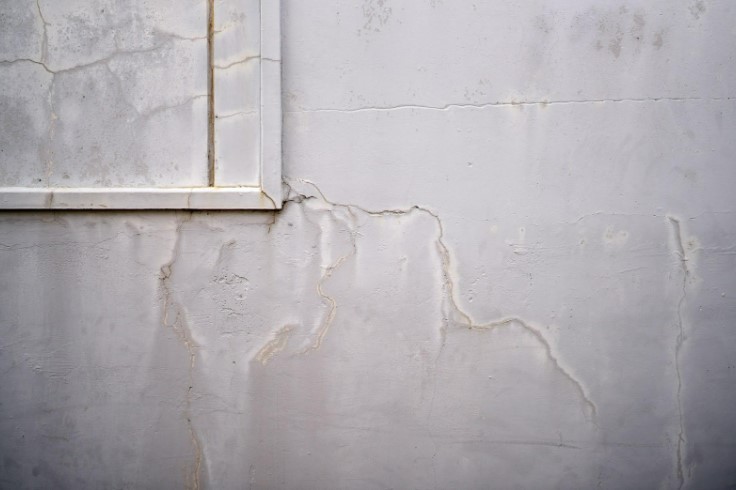
Of course, by the time you can see or smell the issue, the damage is already in motion. That faint musty odor? Could be a hidden leak. Water stains on the ceiling? There’s probably a problem above you right now. And if your drains smell like something’s decomposing? That’s not normal, no matter what your teenager tells you.
These signs often come after weeks or months of ignored noise. If your home starts sounding different and something seems off, it probably is. Trust your senses. They’re trying to warn you.
When Help Arrives, It Shouldn’t Be a Surprise
Too many homeowners wait until the last minute to ask for help. By then, it’s an emergency. Water’s pouring in. Towels aren’t cutting it. And the only thing louder than your gurgling sink is the sound of you yelling into your phone for help.
But plumbing doesn’t have to be a crisis sport. You can treat it like preventive care. Annual inspections. Seasonal tune-ups. Having a go-to pro you trust. That way, when something goes wrong, you know who to call—and they know your system.
This is also why response time matters. If the company you call is still “figuring out the schedule,” you’re in trouble. You want professionals who show up ready, who don’t waste time, and who can handle emergencies without making it worse.
Your House Isn’t Haunted—It’s Asking for Help
The next time your home flushes, gurgles, or screeches, pause. Don’t dismiss it. That sound might be the only warning you get before real damage hits. Pay attention to the rhythms of your space. Listen to the water. Notice what’s normal and what’s not.
Yes, houses settle. Pipes make noise. But there’s a difference between personality and a problem. When your home starts talking to you, it’s not trying to scare you—it’s trying to get your attention.
And if you listen, you might avoid a whole lot of screaming later.
