


Have you ever thought about how natural remedies can support a cat’s health and well-being? Essential extracts are increasingly used in holistic pet care, but safety is vital when it comes to cats. Let us explore how safe essential oils can play a role in natural health remedies for cats.
Understanding Essential Oils for Cats
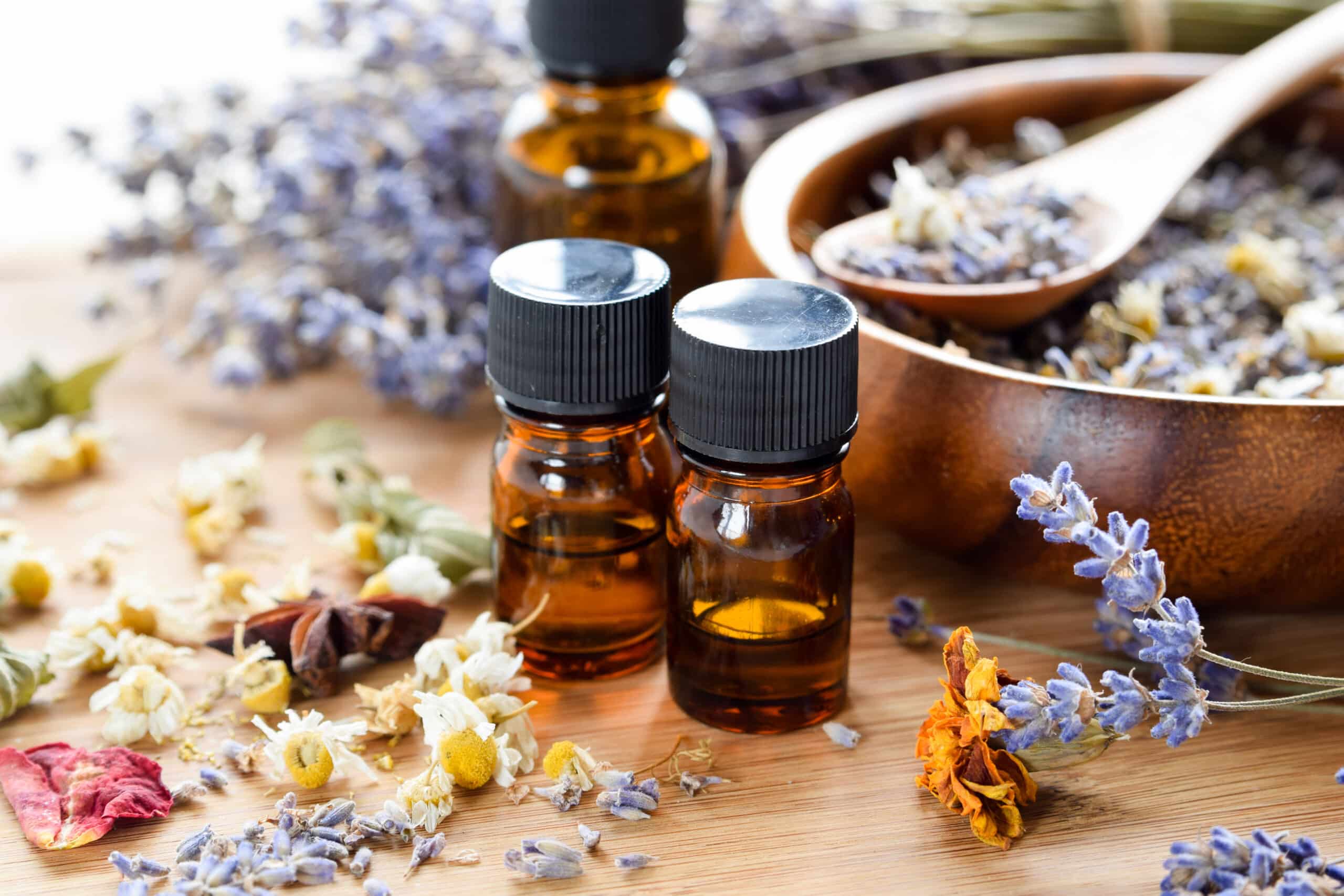
Before introducing any natural remedy, it’s important to know what makes an essential oil safe for cats. Some extracts, such as lavender and chamomile, are known for their relaxing properties and are generally safe to consume in tiny, diluted doses. These natural substances can support relaxation and help relieve stress in animals.
However, not all extracts are suitable for cats. Substances like tea tree, eucalyptus, and citrus can be harmful if not properly diluted or administered. When used safely and appropriately, essential oils can enhance a holistic care routine for pets, providing natural benefits without the risks associated with chemical alternatives.
The Calming Effects of Safe Essential Oils
Stress is a common issue in pets, especially during times of change or when exposed to loud noises. Lavender and chamomile are well known for their ability to soothe. Lavender can help create a calming atmosphere, while chamomile may reduce anxiety in stressful situations.
These extracts are particularly useful during travel or when introducing new environments. By diffusing these safe aromas in a well-ventilated area, it is possible to create a peaceful space that promotes relaxation. However, it’s always important to dilute these natural substances properly and observe how the animal responds to them.
Supporting Skin Health with Natural Remedies
These extracts can also help promote healthy skin and fur. Ingredients like frankincense and cedarwood have natural antibacterial and antifungal properties, making them useful for addressing minor skin irritations. For pets prone to dry skin or dandruff, diluted mixtures can provide relief and aid in maintaining a shiny, healthy coat. Other essential oils include:
- Lavender for soothing itchy skin
- Frankincense for reducing inflammation
- Cedarwood for antifungal benefits
- Chamomile for calming skin irritations
- Coconut oil as a carrier to dilute essential extracts
These natural solutions should always be diluted and used with caution. Applying a small amount to a pet’s bedding or gently massaging it into the fur (with veterinarian approval) can support skin health and help address common issues.
Repelling Fleas Naturally
In addition to their health benefits, certain natural extracts can act as effective insect repellents. Ingredients like cedarwood and lemongrass are known for their ability to repel fleas, ticks, and other pests. When used properly, these natural substances offer a safer alternative to chemical-based repellents, helping to protect pets from insect bites and infestations.
A diluted mixture of these extracts can be lightly sprayed in areas where pets sleep or play. However, care should be taken to avoid overuse, as some animals may be sensitive to strong scents. Using these substances in moderation can help keep insects away while supporting a cat’s overall health.
Digestive Support through Safe Oils
Digestive issues, such as an upset stomach or gas, can sometimes be alleviated with the help of safe essential extracts. Ingredients like ginger and peppermint, when used correctly, can support digestion and soothe mild gastrointestinal discomfort. Ginger, in particular, is known for its ability to reduce nausea and aid in digestion.
These extracts should always be heavily diluted and used sparingly under the guidance of a veterinarian. In some cases, simply diffusing the substances in the air or using them in a diluted mixture on bedding may offer enough relief to improve digestive health naturally.
Understanding which essential oil safe for cats can make a significant difference in promoting their health and well-being. Extracts like lavender, chamomile, and frankincense provide calming, skin-supporting, and insect-repelling benefits. However, proper dilution and observation are essential for safe use. Consulting a veterinarian ensures that essential oils are used effectively and safely as part of a holistic care routine.
