
Biotechnology is changing veterinary medicine in big ways. Scientists are using biotech to make better medicines, find diseases faster, and even edit genes to help animals stay healthy. But for these innovations to help animals worldwide, clear communication is needed. That’s where biotechnology translation comes in. It makes sure research, medicine instructions, and regulations are understood by veterinarians, scientists, and companies across different countries. Without good veterinary translation services, important discoveries could be lost in confusion.
The Intersection of Biotechnology and Veterinary Science
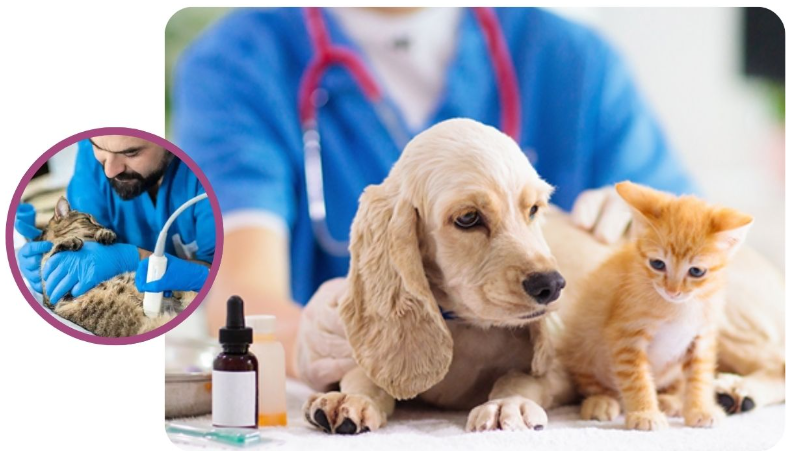
Vets and researchers work together with biotech to make animals healthier. Some of the biggest improvements are:
- Gene editing – Scientists can now change animal genes to prevent diseases.
- New vaccines – Better vaccines help stop dangerous diseases from spreading.
- Advanced diagnostics – New tools make it easier to detect illnesses early.
- Biotech treatments – Innovative medicines help animals recover faster.
Vets and researchers need clear info to use these biotech solutions the right way. If research papers, medical guides, or treatment steps ain’t translated well, it can cause confusion and even mistakes in animal care.
The Role of Translation in Veterinary Biotechnology
Translation plays a key role in making veterinary biotech innovations available worldwide. Some of its important tasks include:
1. Scientific Research Translation
- Helps scientists share discoveries with researchers in other countries.
- Makes sure studies are understood in multiple languages.
- Helps new biotech ideas spread globally.
2. Regulatory Translation
- Ensures compliance with international veterinary rules.
- Adapts documents to meet different country regulations.
- Helps biotech companies get government approvals.
3. Clinical Trial Translation
- Facilitates testing of new veterinary medicines worldwide.
- Ensures accurate reporting of trial results.
- Helps new drugs reach veterinarians faster.
4. Patent and Documentation Translation
- Protects biotech inventions legally across countries.
- Ensures correct usage of medicines and vaccines.
- Helps biotech companies expand globally.
Challenges in Biotechnology Translation for Veterinary Applications
So biotechnology translation services aren’t easy. It requires deep knowledge of both science and language. Some key challenges include:
1. Complex Scientific Terminology
- Biotech research uses difficult medical terms.
- Translators must be precise to avoid mistakes.
- Even small errors can lead to big problems.
2. Regulatory Variations
- Every country has different veterinary laws.
- Documents must be adjusted to fit local rules.
- A single mistake can delay drug approvals.
3. Cultural Adaptation
- Farmers and veterinarians may have different ways of understanding treatments.
- Information needs to be written in a way that makes sense for local users.
- Some biotech concepts may not exist in certain cultures.
4. Precision in Genetic and Pharmaceutical Data Translation
- Genetic research must be translated carefully.
- Pharmaceutical instructions must be exact.
- Any error can lead to harmful consequences.
How Translation Accelerates Global Veterinary Innovation
Good translation speeds up the spread of veterinary biotech worldwide. It helps by:
- Making biotech treatments available to more veterinarians.
- Helping biotech companies work with international partners.
- Ensuring global trade of veterinary products runs smoothly.
- Helping farmers and animal caregivers use biotech solutions correctly.
When biotech research is translated properly, more animals get access to life-saving treatments, and more veterinarians can apply the latest scientific discoveries.
The Future of Biotechnology Translation in Veterinary Science
The future of biotechnology translation looks really promising. New tech is making things smoother and faster. Here are some key trends to watch:
- AI and Machine Learning – AI tools are improving translation speed and accuracy, but human experts are still needed for precision.
- More Languages – As biotech expands, more translations will be needed to reach global audiences.
- Expert Human Translators – AI can help, but experienced translators ensure accuracy and reliability.
- Continuous Updates – As biotech develops, translations must keep up with new discoveries.
Conclusion
Good veterinary translation and biotechnology translation are super important for sharing new science in animal health. Without them, important medicines, vaccines, and studies might be confusing or delayed. If you want help with biotech translation, working with experts makes sure that veterinary innovations get to the right people. This helps animals everywhere stay healthy. Getting good translations isn’t just nice to have—it’s a must for making veterinary progress worldwide.
