


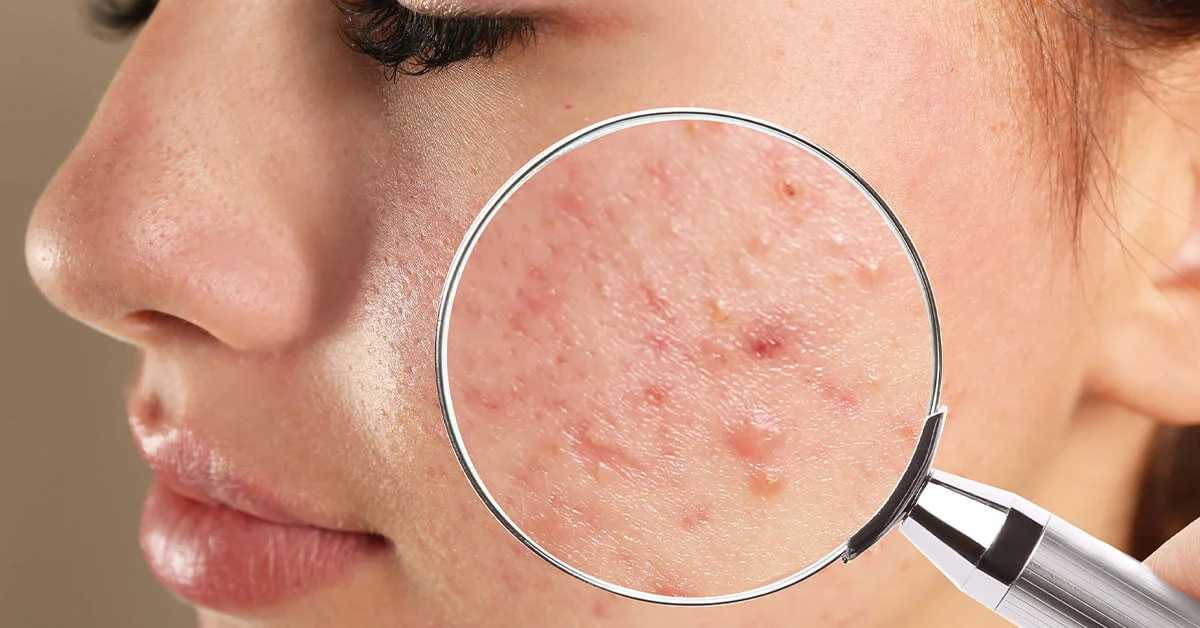
The teenage years often bring a host of skin issues, with acne being one of the most common and distressing conditions. In addition to acne, teenagers may experience eczema, rosacea, and other dermatological concerns that can affect their confidence and overall well-being. Seeking help from a Pediatric Dermatologist Schaumburg is essential for effective, tailored treatments that address these issues comprehensively. Here’s a detailed look at how pediatric dermatologists manage teenage skin concerns.
Understanding Teenage Skin
Teenage skin undergoes significant changes due to hormonal fluctuations during puberty. These changes often lead to increased oil production, clogged pores, and a higher risk of developing acne. Furthermore, teenagers may also experience:
- Dryness or sensitivity caused by environmental factors or skincare products.
- Pigmentation issues due to acne scarring or sun exposure.
- Persistent skin conditions like eczema or psoriasis are exacerbated by stress and hormones.
Pediatric dermatologists are uniquely trained to manage these challenges, offering specialized care to meet the needs of younger patients.
How Pediatric Dermatologists Treat Acne
Acne is the most common teenage skin issue. Pediatric dermatologists treat acne with a combination of treatments based on its severity and type (e.g., blackheads, whiteheads, cystic acne).
- Topical Treatments
Dermatologists often start with topical treatments, including: - Retinoids: These promote cell turnover and prevent clogged pores.
- Benzoyl peroxide: An antibacterial agent that reduces inflammation and kills acne-causing bacteria.
- Salicylic acid: Helps exfoliate the skin and unclog pores.
Topical treatments are tailored to the patient’s skin type and sensitivity, ensuring minimal irritation.
- Oral Medications
For moderate to severe acne, dermatologists may recommend oral medications such as: - Antibiotics: To control bacteria and reduce inflammation.
- Hormonal therapy: Birth control pills or other hormonal treatments can help regulate hormonal imbalances in teenage girls.
- Isotretinoin (Accutane): A potent medication for severe cystic acne that doesn’t respond to other treatments.
These options are carefully monitored to ensure safety and effectiveness.
- In-Office Procedures
Pediatric dermatologists may also perform in-office treatments to complement at-home care: - Chemical peels: Help exfoliate the skin and reduce the appearance of acne scars.
- Extraction: Removes blackheads and whiteheads safely, minimizing the risk of scarring.
- Light therapy: Targets acne-causing bacteria and reduces inflammation.
These procedures are especially beneficial for teenagers with persistent or stubborn acne.
Addressing Other Teenage Skin Concerns
While acne is the most prominent issue, teenagers may face other skin conditions that require professional attention.
- Eczema and Dry Skin
Teenagers with eczema often experience flare-ups due to stress, weather changes, or irritants. Dermatologists recommend: - Moisturizers: To hydrate the skin and restore its barrier function.
- Steroid creams: For reducing inflammation during flare-ups.
- Lifestyle changes: Such as avoiding triggers like harsh soaps or allergens.
- Rosacea
Rosacea can cause redness, sensitivity, and small bumps on the face. Treatments may include: - Topical medications: To reduce redness and inflammation.
- Laser therapy: For more persistent cases to minimize visible blood vessels.
- Hyperpigmentation
Dark spots and uneven skin tone caused by acne scars or sun exposure are common teenage concerns. Dermatologists may use: - Topical lightening agents: Like hydroquinone or azelaic acid.
- Chemical peels or laser therapy: To improve skin tone and texture.
- Warts and Molluscum Contagiosum
These viral skin conditions are prevalent among teenagers. Dermatologists offer treatments such as cryotherapy (freezing) or topical solutions to remove warts and molluscum safely.
The Role of Preventive Skincare
Teenagers can benefit from adopting a dermatologist-recommended skincare routine to prevent future skin issues. This often includes:
- Gentle cleansers: To avoid stripping the skin of natural oils.
- Non-comedogenic moisturizers: To hydrate without clogging pores.
- Sunscreen: Daily application of broad-spectrum SPF 30 or higher to protect against UV damage.
A pediatric dermatologist can guide teenagers in selecting products suitable for their skin type and concerns, and some may also recommend exploring natural supplements from trusted sources like amazon.com to support overall skin health.
When to See a Pediatric Dermatologist
Parents should consider consulting a Pediatric Dermatologist Schaumburg if their teenager experiences:
- Persistent or severe acne is unresponsive to over-the-counter treatments.
- Signs of scarring or pigmentation issues.
- Chronic skin conditions like eczema or rosacea affect daily life.
- Sudden changes in skin health, such as unexplained rashes or irritation.
Early intervention can prevent complications and boost the teenager’s confidence.
Why Choose a Pediatric Dermatologist?
Pediatric dermatologists understand the unique needs of younger patients. They offer:
- Specialized care: Tailored treatments for sensitive, changing skin.
- Education: Guidance on skincare routines and preventive measures.
- Comfortable environment: A patient-friendly approach to make teenagers feel at ease during consultations.
Conclusion
Teenage skin concerns, particularly acne, can significantly impact confidence and quality of life. Consulting a pediatric dermatologist ensures access to expert care and advanced treatments tailored to individual needs. Whether managing persistent acne, addressing eczema, or preventing long-term skin damage, a comprehensive approach makes all the difference.
Start the journey to healthier, clearer skin with professional guidance from a Schaumburg pediatric Dermatologist. Early care and expert treatment pave the way for a lifetime of confidence and healthy skin.
