


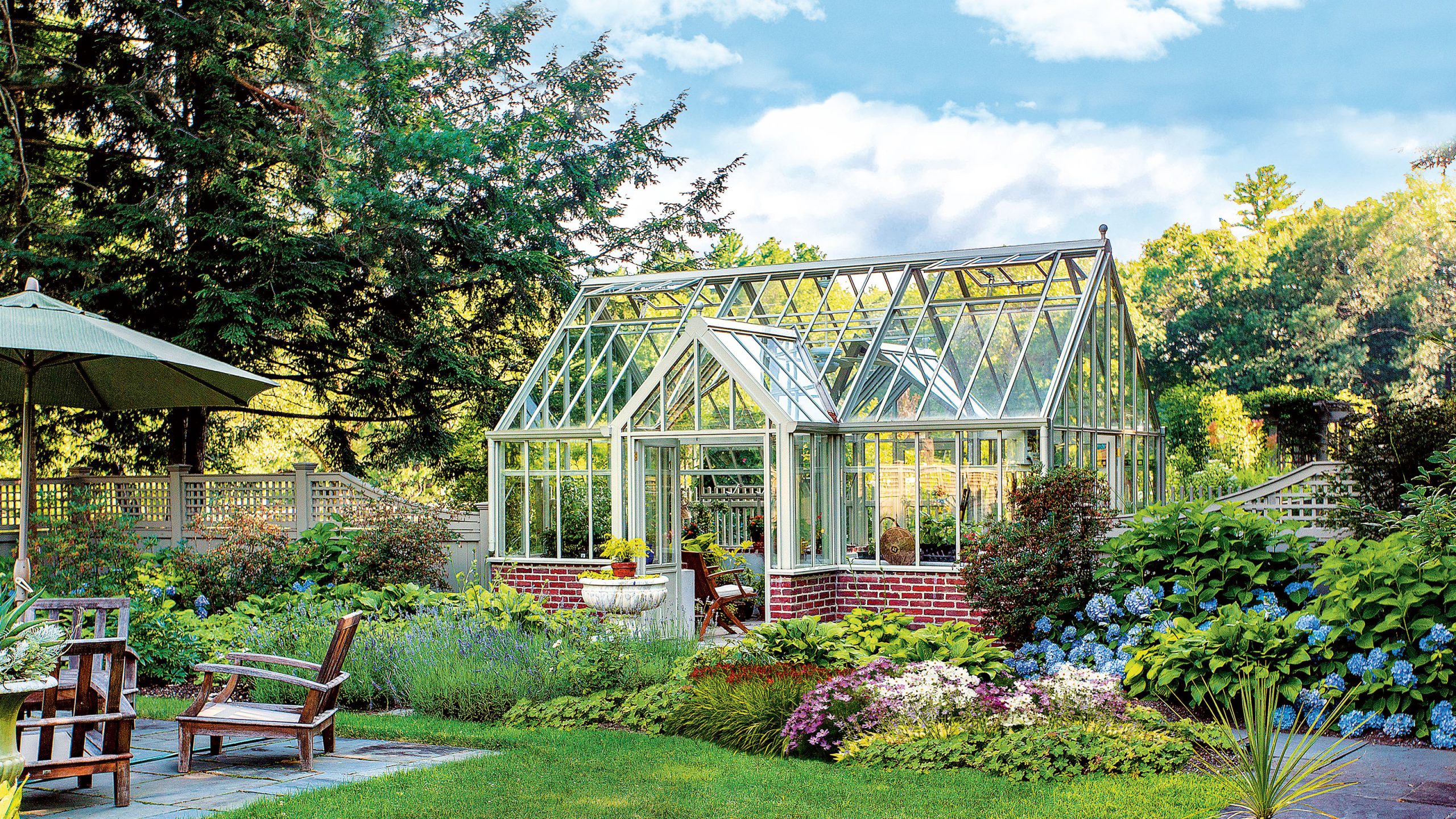
The desire to grow fresh produce year-round is no longer a dream restricted by seasonal cycles or fluctuating weather conditions. With the use of greenhouses, growing nutrient-rich vegetables, herbs, and fruits has become manageable and efficient, regardless of external temperatures or climates. Greenhouses create an environment that preserves ideal growing conditions, allowing you to enjoy fresh, homegrown produce at any time of the year. Let’s explore some of the key benefits of greenhouses and understand why they’re becoming a popular choice for gardening enthusiasts and professionals alike.
Year-round Growing
Greenhouses provide a controlled environment that mimics the ideal growing conditions for various plants. By using artificial lighting, heating, and cooling systems, greenhouses offer a way to extend the growing season beyond traditional seasonal limitations. This means you can continue harvesting fresh produce even during colder seasons or in areas with harsh climates.
Longer Harvests
One of the significant advantages of having a greenhouse is the ability to harvest crops all year round. With proper planning and scheduling, you can stagger your plantings to ensure a continuous supply of fresh produce throughout the year. This not only allows for more variety in your diet but also reduces food waste and saves money on grocery bills.
Protection from External Elements
Greenhouses provide a physical barrier between your plants and external elements such as pests, harsh winds, excessive rain, or extreme temperatures. This protection creates a more stable environment for your plants to thrive without being threatened by unpredictable weather conditions.
Customized Growing Conditions
Different plants have varying needs when it comes to sunlight exposure, humidity levels, and temperature requirements. With a greenhouse, you can customize these factors according to the specific needs of your plants. This level of control allows you to grow a wider variety of produce that may not be suitable for outdoor growing in your particular climate.
Reduced Use of Chemicals
Because greenhouses offer controlled environments with fewer pest threats, there is often less need for harmful pesticides and chemicals. This not only benefits your health but also promotes more sustainable and eco-friendly gardening practices.
Better Control Over Growing Conditions
Greenhouses provide an enclosed, climate-controlled environment that minimizes external disruptions. By regulating temperature, humidity, and light exposure, greenhouses mimic ideal growing conditions that plants need to thrive. This control reduces the unpredictability of outdoor elements such as frost, excessive rain, or harsh heat, ensuring that crops are protected and consistent in quality.
For example, leafy greens like spinach and lettuce thrive in moderate temperatures and consistent light levels. A greenhouse ensures these factors remain consistent, even when external conditions change, allowing predictable results with healthier plants.
Year-Round Access to Fresh Produce
Seasonal limitations often dictate how fresh produce is consumed. However, with greenhouses, growing is not confined to spring or summer months. The controlled environment allows vegetables, fruits, and herbs to grow steadily during fall or winter when outdoor gardening is impossible.
This year-round access ensures you always have fresh, garden-picked ingredients, contributing to healthier eating habits and a sustainable food source for households. Whether it’s tomatoes in January or cucumbers in November, you can enjoy a wholesome diet without depending solely on seasonal availability.
Optimized Use of Space
For those who lack outdoor gardening space, greenhouses offer a solution. They maximize growing potential by efficiently using available square footage. Multi-tiered shelving systems in a greenhouse can increase growing capacity dramatically, enabling even small spaces to produce substantial quantities of fresh produce.
This is especially useful in urban environments where yards or outdoor garden plots might be limited. Greenhouses provide an opportunity to make optimal use of confined spaces and grow fresh, homegrown produce effectively.
Protection From Pests and Harsh Weather
Outdoor gardens are often vulnerable to pests and diseases that can destroy crops. Greenhouses act as a protective structure, limiting exposure to harmful insects or animals and reducing the chances of plant damage. By implementing natural pest control methods or installing fine mesh screens, you can keep your greenhouse pest-free.
Additionally, weather-related disruptions like hailstorms, heavy rain, or drought no longer have the power to ruin your crops. The controlled interior of a greenhouse protects your plants from extreme conditions, allowing steady growth throughout any season.
Energy Efficiency and Sustainability
Modern greenhouses are designed to be energy-efficient while supporting sustainable gardening practices. Many greenhouses use features such as rainwater collection systems, solar power, and heating solutions like thermal mass storage. These can help conserve natural resources while lowering long-term gardening costs.
Growing your own produce also reduces dependence on grocery store supplies, lowering the carbon footprint associated with transporting vegetables and fruits from farms to retailers. By investing in a greenhouse, you contribute to environmentally friendly practices while enjoying healthier, fresher produce.
A Step Towards Food Independence
Greenhouses empower individuals with the ability to grow food independently. Fresh produce grown at home is often better in quality and nutritional value compared to store-bought options. Furthermore, it gives families more control over the types of fertilizers, soil, and growing methods used, promoting a safer, pesticide-free diet.
Food independence through greenhouses serves as a step towards a sustainable and resilient lifestyle. No matter the external economic or weather conditions, your greenhouse provides consistent access to premium-quality produce.
The Takeaway
Greenhouses are more than just a structure for gardening—they are a solution to food dependency, seasonal restrictions, and environmental concerns. By offering a controlled growing environment, they ensure fresh produce is readily available any time of the year. Whether you are an urban gardener or someone with a backyard yearning for optimization, a greenhouse provides the ability to create a sustainable and thriving produce source for your family.
Investing in a greenhouse is not just an investment in gardening—it’s an investment in health, sustainability, and independence. Step into the future of fresh produce all year round by exploring the potential of greenhouse gardening.
Conclusion
Greenhouses have revolutionized the way we grow fresh produce by providing a controlled environment that extends the growing season, protects against external elements, and allows for customized growing conditions. With a greenhouse, you can enjoy a continuous supply of homegrown fruits, vegetables, and herbs throughout the year while reducing your impact on the environment.
