


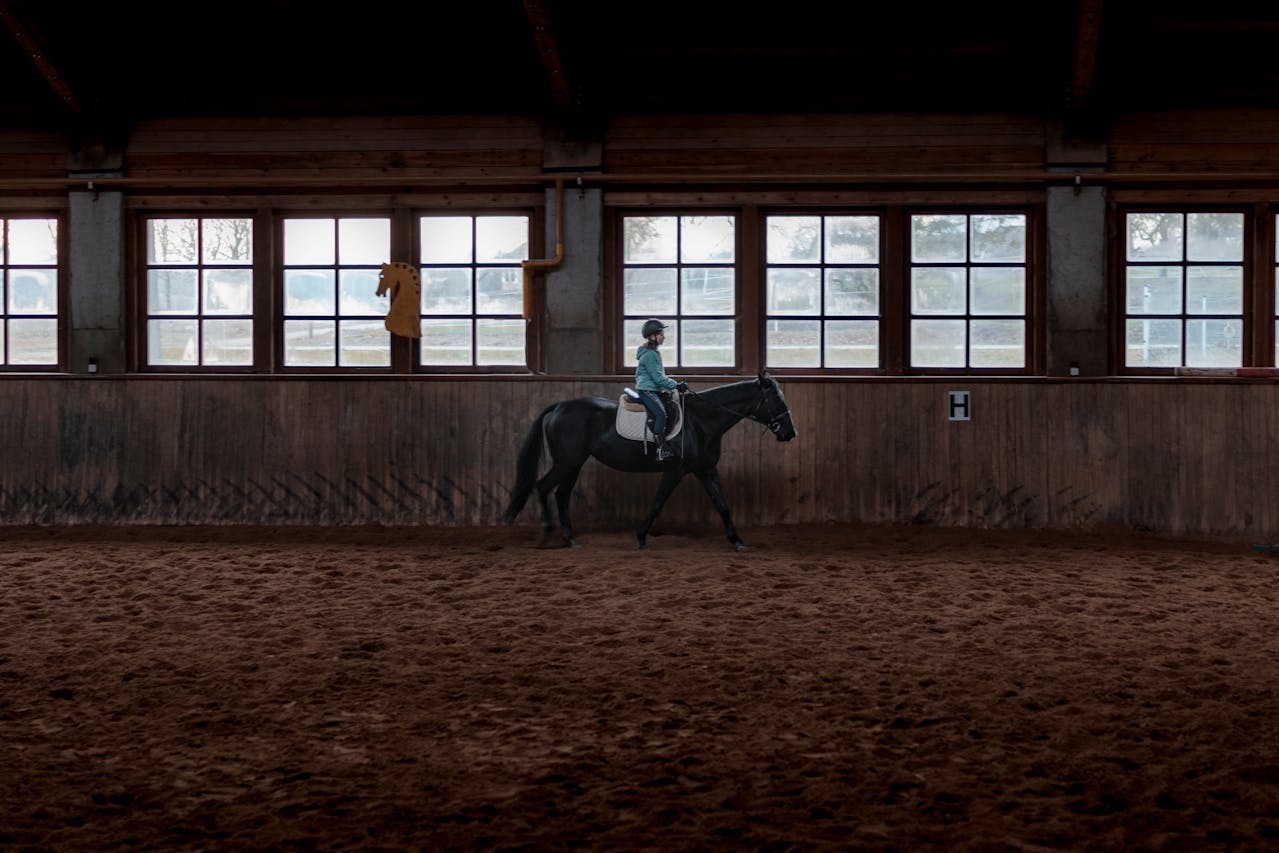
Did you know that jockeys are one of the most fit athletes on the planet? Yes, their physique might be small, but they have to be really tough in order to ride a 1,200-pound horse at 40 mph, right?
Being a jockey is extremely tough, and it requires a lot of sacrifice that usually athletes from other sports don’t have to go through. Why? Well, the weight of the jockey is very important just so they can achieve a faster time.
When you think about it, jockeys are quite an important piece of the puzzle. After all, when we do our research before going live horse racing betting, we also study the jockey right? Well, they are in charge of bringing the horse to victory, and their mental and physical strength plays an important role.
So, they are on a strict diet throughout their professional life. Being a jockey isn’t only about staying fit, it’s also about maintaining balance, endurance, and an incredibly strong mindset to stay ahead in this competitive world.
This brings us to the question – how are jockeys staying healthy? Do they have any unique and specific strategies that we normal people don’t know about?
Let’s find out.
Meeting Weight Requirements Without Being Hungry
This is probably the hardest part of being a jockey. They typically need to meet strict weight requirements and be anywhere from 100 to 120 pounds, depending on the race class. That’s really skinny.
This means that jockeys don’t know anything about carbs and forget those late-night snacks.
But why the weight of the jockey is so important? Well, less weight equals faster times, which everybody in the horse racing industry wants.
With that said, this doesn’t mean that they are starving. They are maintaining a low weight through a balanced diet that won’t lead to muscle mass or energy loss.
Instead, they rely on smart nutrition, and they usually have a high-protein and low-carb diet. On top of that, the portion size is also very important.
They eat smaller portions but more frequent throughout the day. This gives them enough energy and keeps their metabolism steady.
Strength Training Without Bulking Up
The next step is to build a muscle mass. Have you ever tried horse riding? It is physically demanding. Now imagine riding a horse at 40 mph with 10 more horses around you.
It’s quite scary and requires a lot of muscle and energy in order to navigate these big creatures.
The most important thing is their core, legs, and upper body.
However, the key here is to build strength without the unnecessary bulk which can lead to gaining weight.
That’s why they focus on leg strength like doing squats, lunges, or cycling. They are also big on cardio training, which helps them gain endurance without excessive muscle gain.
Basically, it is quite the opposite of what the rest of the world does. For you and me, seeing bigger muscles is a good thing, but not for jockeys.
How Jockeys Stay Injury-Free?
Falling off a horse at high speed isn’t just a bad day, but it is a situation that can be life-threatening. That’s why this is one of the most dangerous sports in the world.
So, how are jockeys staying injury-free? Well, it’s not only about building muscle, right? It’s also about stretching and flexibility.
That’s why many jockeys do yoga or Pilates, just to reduce that muscle strain and help them recover quicker.
The Mental Strength is Also Very Important
Next, we have to talk about their mental strength, which is also an important part of their professional career. It is quite hard to stay mentally focused when you are on a strict diet and you have a tough schedule ahead.
Horses deal with many problems every day. Things like managing their weight, dealing with unpredictable horses, and traveling from country to country, the mental toll is quite big.
That’s why most jockeys practice meditation and visualization techniques. These techniques can help them stay mentally sharp and build confidence, which is crucial before a race.
Getting Enough Rest Despite a Hectic Schedule
Horse racing is a year-round sport, and jockeys often travel extensively. Finding time to rest is crucial for peak performance.
Since full nights of sleep aren’t always possible, they prioritize quality over quantity, aiming for deep, restorative sleep. Some take short naps between races to recharge.
Avoiding caffeine and alcohol before bed also helps ensure they actually sleep instead of staring at the ceiling, contemplating life choices at 3 a.m.
How Do Jockeys Recover from an Injury?
Even the best jockeys get injured at some point, so recovery is a critical part of staying in the sport.
Cold therapy, like ice baths, helps reduce inflammation and speeds up muscle recovery. Massage therapy is another favorite, improving circulation and easing muscle tightness.
Post-race nutrition also plays a huge role—protein-rich meals and anti-inflammatory foods help their bodies bounce back faster. Because let’s face it, no one wants to walk around like a stiff robot after race day.
Balancing Life and Career
Jockeys don’t just deal with the physical toll of the sport—they’re constantly traveling, spending time away from family, and pushing their bodies to the limit. Maintaining a work-life balance is challenging but necessary for long-term success.
A strong support system makes a world of difference. Friends, family, and trainers help them stay motivated. They also take breaks when needed, listening to their bodies instead of pushing themselves into exhaustion. And most importantly, they celebrate their wins—whether it’s a major championship or simply making it through the season unscathed.
So, do you think you have what it takes to become a jockey?
