


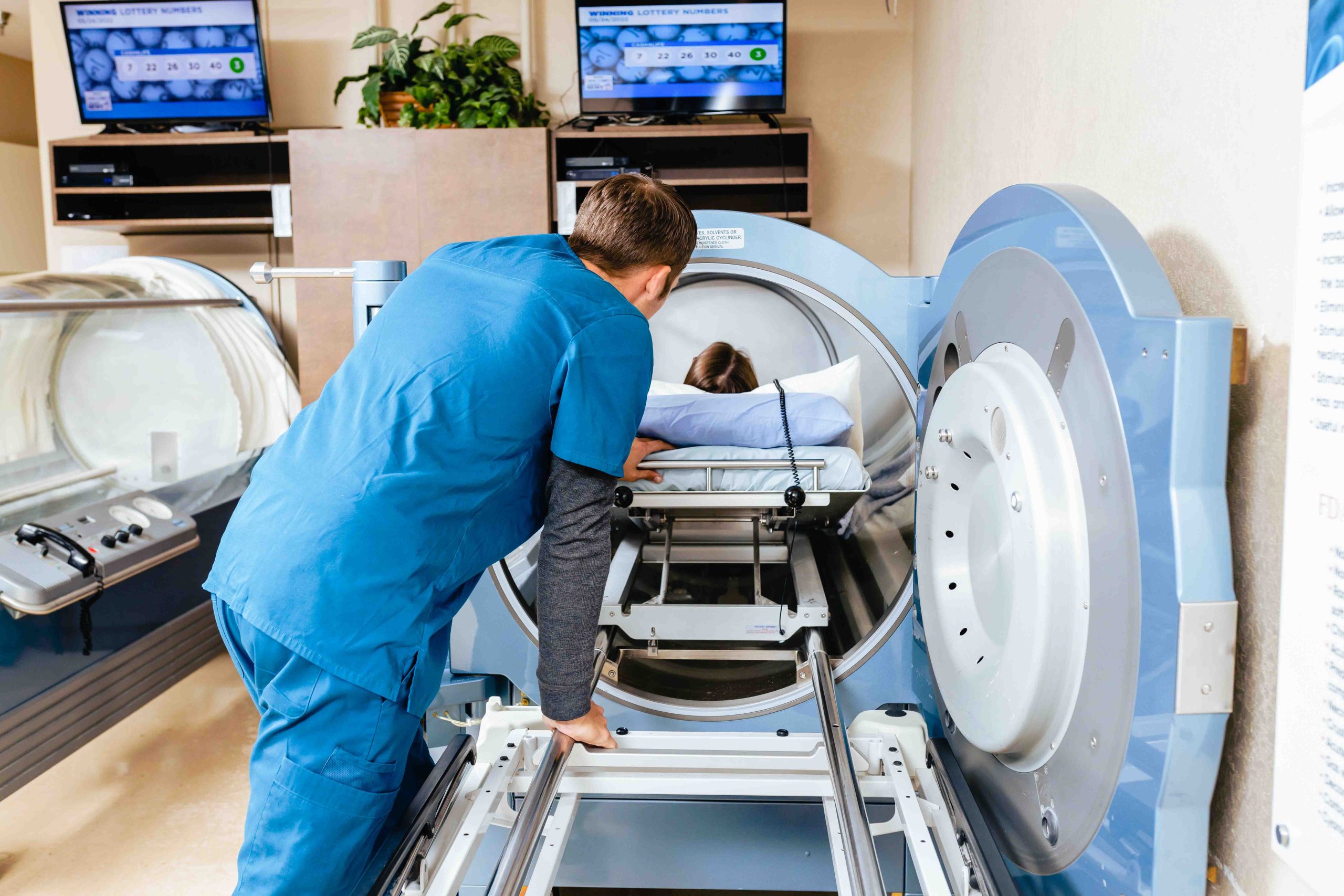
Wound recovery can be a complex process for individuals, particularly when complications prevent proper healing. Hyperbaric oxygen therapy (HBOT) is a supportive treatment for individuals with chronic or non-healing wounds. While it may not suit every situation, hyperbaric therapy has a helpful role in enhancing the body’s natural ability to heal. Here is more information on this therapy, the types and its potential benefits for patients.
What Is Hyperbaric Therapy?
Hyperbaric therapy is a medical procedure in which a patient breathes pure oxygen in a pressurized chamber. By increasing atmospheric pressure to levels higher than normal, this therapy allows the body to absorb more oxygen into the bloodstream. This elevated oxygen level helps to improve cellular function and supports the repair of damaged tissues. Treatments last 60 minutes, and supplementary treatments may also be recommended to get the most out of this therapy.
What Kinds of Wounds Does This Therapy Treat?
Hyperbaric oxygen therapy is often used to assist in the healing process for a variety of wounds, particularly those that are resistant to standard treatments. These include diabetic foot ulcers, radiation-induced injuries, infected wounds, and pressure sores. It may also be used as an adjunct therapy for surgical wounds that are slow to recover. Hyperbaric therapy is designed to support the natural healing mechanisms of the body, especially for wounds where poor circulation or tissue damage is an issue.
What Are the Causes and Symptoms of These Wounds?
Chronic or non-healing wounds are often caused by conditions that impair blood flow or tissue oxygenation. Diabetes is a common underlying factor, as it can lead to vascular complications and reduced sensation in the extremities. Radiation therapy can also damage healthy tissues, resulting in delayed recovery and persistent injuries.
Symptoms vary based on the cause but may include persistent pain, redness, swelling, and discharge around the wound. Some patients may also report a lack of sensation in the affected area. The prolonged presence of such symptoms can increase the risk of infection, highlighting the need for targeted, specialized treatments.
What Are the Benefits of Hyperbaric Therapy?
Hyperbaric therapy offers several potential benefits for wound healing. Increased oxygen levels in the bloodstream can promote tissue regeneration and reduce inflammation, creating an environment where the body can recover more effectively. The therapy may also help inhibit the growth of harmful bacteria, supporting infection management. When used alongside other medical interventions, this therapy can complement and enhance overall treatment outcomes.
Why Should You Seek This Medical Therapy?
For individuals struggling with wounds that do not respond to conventional care, hyperbaric therapy can provide an additional layer of support. Its ability to improve oxygen delivery makes it a compelling option for those whose wounds are linked to poor circulation or chronic health conditions. While results vary, patients may obtain favorable outcomes when this therapy is incorporated into their care plan. A thorough assessment with a healthcare provider will help identify whether this approach aligns with your individual needs and overall treatment goals.
Learn More Today
This oxygen therapy is a supportive option for wound healing that may enhance recovery and help you regain mobility. If you’re dealing with a wound that has been difficult to heal, this treatment plan may be right for you. To learn more about hyperbaric therapy and its applications, contact a trusted healthcare provider today.
