



Alongside various technological advancements come unexpected complications. One of them is region-locked devices. These devices, bound to specific geographic areas, limit user freedom and pose significant obstacles for standard repair methods. The growing prevalence of region-locking has implications that extend far beyond simple inconvenience; it affects repair technicians, consumers, and even broader movements such as the right-to-repair.
Region-locking involves manufacturers restricting devices such as smartphones, tablets, gaming consoles, and even household electronics to operate only within designated geographical areas.
Regional limitations themselves aren’t new; users frequently encounter them even when playing games on this website. Originally, this practice was intended to manage content distribution, adhere to licensing agreements, or comply with region-specific regulations. However, the practice has evolved to include a broader spectrum of devices and has started affecting basic repair methods.
The subtle yet notable shift underscores the unintended consequences companies might create when imposing such rigid limitations.
Challenges for Technicians and Consumers
Delving deeper into the challenges, region-locked devices complicate even basic repair methods. Technicians accustomed to diagnosing and fixing common hardware issues now find themselves grappling with software-imposed barriers.
A perfectly viable replacement part could be rendered unusable simply because the device’s firmware is programmed to reject components originating from another region. A stark illustration comes from the smartphone industry, which has recently been highlighted by concerns surrounding devices like the OnePlus 12.
Users express bewilderment at Oppo’s aggressive region-locking measures that limit the interchangeability of genuine parts. Technicians report increased complexities, driving repair times up and reducing the viability of independent repair services.
Impact on the Right-to-Repair Movement
Region-locking undermines the fundamental principles of the right-to-repair movement, which advocates for user autonomy in maintaining and fixing their purchased products. Closed ecosystems and strict geographical limitations conflict directly with the essence of this movement, hampering efforts toward sustainability and extending product lifespans.
Restrictive device ecosystems threaten the future of consumer rights, noting that region-locking contributes significantly to electronic waste by prematurely forcing consumers to replace otherwise functional devices.
Legal Ambiguities and Consumer Risks
Legal implications also arise from region-locking. Consumers unaware of the specific terms and conditions tied to their purchases may inadvertently breach regional policies or warranties simply by seeking repairs or replacements.
The legal uncertainties surrounding region-locked devices, where everyday actions like attempting repairs or obtaining parts from abroad could unintentionally breach regulatory frameworks. The ambiguity and lack of clear communication from manufacturers exacerbate consumer confusion and potential legal vulnerabilities.
Impact on Independent Repair Shops and Market Competition
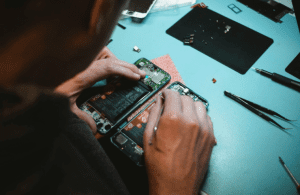
Independent repair shops face substantial setbacks due to the proliferation of region-locking and software-imposed restrictions. These businesses, traditionally pivotal in offering affordable, accessible, and flexible repair options to consumers, now struggle to maintain their operations effectively.
Previously straightforward repairs, such as battery replacements, screen fixes, or simple hardware upgrades, now often involve cumbersome procedures that significantly complicate repair processes. Shops encounter multiple challenges, including:
- Software restrictions: Technicians must navigate complicated firmware locks or proprietary software that restricts third-party repairs, leading to extended troubleshooting periods and increased operational costs.
- Sourcing compatible parts: Region-locking limits access to genuine parts, forcing independent shops to rely on less reliable aftermarket options.
- Legal and warranty concerns: Independent repair businesses increasingly face liability issues due to unclear manufacturer guidelines and warranty policies, causing potential legal risks if region-locked protocols are unintentionally breached during repairs.
- Competitive disadvantage: Manufacturers and authorized service providers benefit disproportionately, leveraging exclusive control over software tools and replacement components.
These obstacles indirectly empower large corporations by restricting independent businesses’ ability to compete on fair terms. As a result, consumer choices shrink, repair prices rise, and local economies suffer due to decreased small-business viability.
Independent repair shops, essential for promoting competitive pricing, innovation, and sustainability in device maintenance, find themselves caught in a rapidly shrinking marketplace dominated by restrictive policies.
Broader Implications on Global Supply Chains
The ripple effects of region-locking also encompass global supply chains, impacting how parts and services move internationally. Increased regional specificity in components creates inefficiencies, escalates costs, and exacerbates resource scarcity—ironically undermining corporate sustainability pledges.
A Call for Regulatory and Consumer Action
For genuine progress, regulatory bodies must address the underlying issues fueling region-locking practices. Clearer guidelines, transparency requirements from manufacturers, and stronger consumer protection laws are essential. Similarly, consumers must remain vigilant, informed, and vocal about their rights, demanding clearer communication regarding device restrictions and warranties.
