


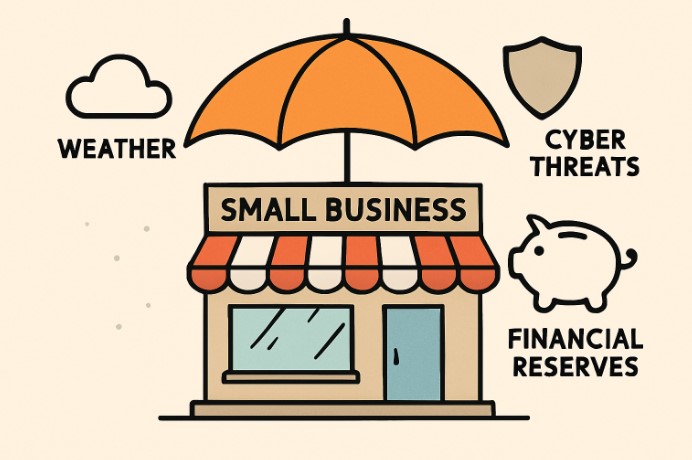
Running a small business brings excitement and fulfillment, but it also means facing unpredictable challenges. Whether you are at risk from natural disasters, cyber threats, or sudden economic shifts, having a plan is essential. Small business owners must be proactive in developing strategies to prepare for potential disruptions. Reliable business insurance is a cornerstone of risk management, providing financial protection against the unexpected. You can explore more about tailored coverage at sites like https://www.thehartford.com/business-insurance.
Every small business is unique, with vulnerabilities that vary by location, industry, and operational setup. Developing an understanding of these risks is the foundation for resilience. By anticipating the unpredictable and implementing measures, business owners not only safeguard their operations but also provide peace of mind to employees and customers.
Preparation is not just about insurance or emergency plans. It includes financial, operational, and digital safeguards. Ultimately, a comprehensive approach will enable your business to weather storms, cyber incidents, and other interruptions with less disruption and faster recovery. Recent research from the Federal Emergency Management Agency (FEMA) indicates that up to 40 percent of businesses never reopen after a disaster, underscoring the importance of preparedness.
Assess Potential Risks
Start your preparedness plan by identifying all plausible threats to your business. Consider geographic factors, such as whether you operate in a floodplain or hurricane-prone region, as well as unique industry factors such as supply chain vulnerabilities or regulatory changes. Digital risks, such as ransomware or data breaches, should also be analyzed, especially for businesses that rely heavily on technology or e-commerce. Performing regular risk assessments helps you understand where to focus your resources and develop an efficient strategy tailored to your specific needs.
Develop a Comprehensive Emergency Plan
Once risks are identified, create a detailed emergency response plan that addresses a range of scenarios. This plan should clearly outline procedures for evacuation, shelter-in-place protocols, communication with team members and customers, and the roles each staff member will play during an emergency. Ensure your emergency plan includes updated contact lists, response checklists, and a designated crisis manager who oversees action plans. Practice your plan through regular drills to ensure all employees are familiar with their responsibilities. Practiced preparedness leads to faster, more effective disaster response.
Build Financial Reserves
The ability to cover expenses during a disruption can make or break your small business. Set a goal to reserve enough funds to cover at least three to six months of overhead and payroll. Emergency savings provide stability if revenue suddenly drops or you experience unforeseen expenses. Consistently contribute to your reserve, even if growth is slow. Having an emergency fund not only helps your business survive disasters but also gives you leverage when negotiating with lenders or suppliers in tough times.
Secure Adequate Insurance Coverage
Insurance is one of the most important safety nets for any business. Review all policies to ensure your coverage matches potential exposures. Common insurance products include general liability, property, cyber insurance, and business interruption coverage. Be aware that policy exclusions can limit recovery, especially for damage from floods or earthquakes. Work with a knowledgeable insurance agent to fill any gaps and discuss specialty policies if your risks are unique. Understanding your insurance options and periodically updating your coverage is essential to protecting your assets and ensuring a smooth recovery.
Safeguard Critical Data
Digital assets are just as vital as physical property. Regularly back up your data to secure locations, such as cloud-based servers or encrypted off-site storage facilities. Invest in robust cybersecurity, including firewalls, multi-factor authentication, and employee awareness training. Data breaches and IT failures can happen unexpectedly, but a strong cybersecurity posture and a well-prepared recovery plan keep your business running. Make sure your backups are frequently tested for restoration reliability. Guidance and best-practice examples are available from the Federal Trade Commission’s cybersecurity resources for small businesses.
Train and Communicate with Employees
Your team will be your greatest asset during any disaster response. Deliver regular emergency training to ensure everyone knows how to respond to fire alarms, severe weather, or cyber incidents. Open communication channels such as group chats, emergency notification systems, or phone trees enable quick and accurate information sharing. Post emergency contacts and procedures in visible areas, and ensure every employee understands their role in maintaining safety and business continuity. Well-trained teams can help save lives and minimize operational downtime.
Establish Strong Supplier and Community Relationships
Strong relationships with suppliers, local businesses, and community organizations can streamline recovery and create a support network. Consider forming agreements with backup suppliers or joining a local business association to access shared knowledge and resources. Collaborative efforts, such as community emergency response teams, help everyone bounce back faster. During large disasters, your local network can provide manpower, supplies, and timely information critical for minimizing loss and speeding recovery.
Regularly Review and Update Preparedness Strategies
Preparedness does not end with your first emergency plan. Schedule regular reviews to update contact information, test equipment, assess new risks, and revise financial reserves as your business evolves. Involve staff in drills and seek feedback about ways to improve your response. Stay informed about emerging threats, such as new regulations or shifting supply chain dynamics, by joining industry groups and following reputable business news sources. Keeping preparedness plans up to date ensures your business remains resilient and agile amid ongoing change.
A proactive approach to risk management gives small business owners the best chance to survive, recover from, and even flourish after unexpected disruptions. By combining risk assessments, emergency planning, financial preparation, and strong relationships, you create a strong foundation for your company’s long-term success.
