


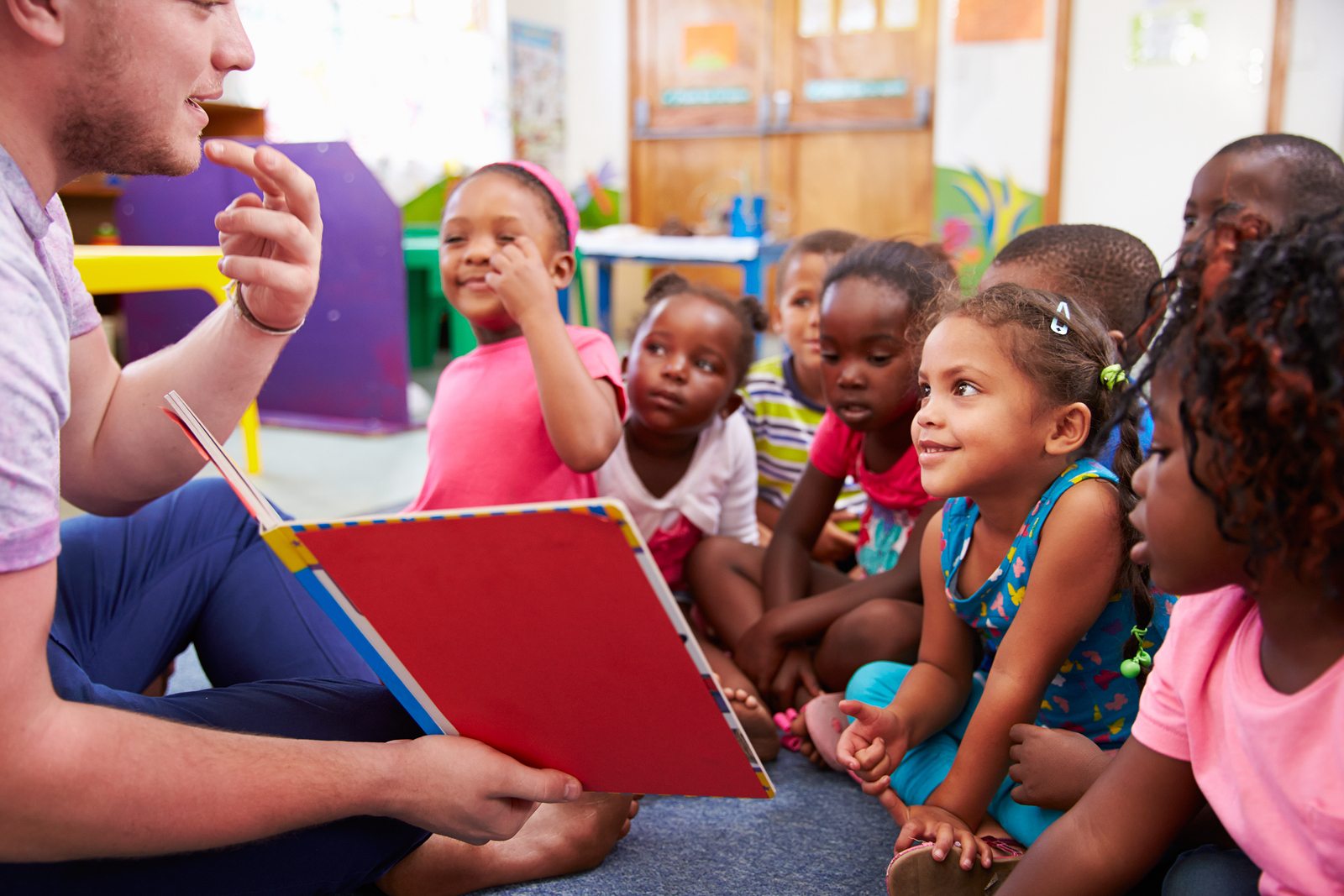
Have you noticed a child struggling to form words or communicate effectively? How can they be supported in overcoming these challenges? Understanding the steps to help a child develop communication skills can feel overwhelming for many families. Speech delays and language difficulties are common, but children can make remarkable progress with the right support. Let’s explore how professional intervention and targeted strategies can make a difference.
What Is Speech Pathology?
Speech pathology for children focuses on helping kids develop the skills they need to communicate effectively. It addresses challenges related to speech sounds, understanding language, and expressing ideas clearly. This process involves assessing the child’s specific needs and designing tailored therapy plans.
The goal is to build confidence in communication while fostering social and emotional growth. Therapists use a variety of techniques, including play-based activities and interactive exercises. These approaches make learning engaging and fun, helping kids stay motivated.
Early Intervention Is Crucial
Early intervention is essential for addressing communication difficulties in children effectively. Identifying challenges early allows for the implementation of targeted strategies, which are more effective when started sooner rather than later. During the early years, a child’s brain is highly adaptable, making it the optimal time to address speech or language delays and lay a strong foundation for future skills.
Early therapy can prevent long-term struggles with communication, learning, and social interaction. Parents and caregivers play a pivotal role in observing and recognizing early signs of delay, such as limited vocabulary or difficulty forming sentences. Seeking professional advice promptly can lead to quicker progress, better outcomes, and a more confident communicator.
Therapy Addresses Different Needs
Every child is unique, and therapy is customized to address their specific communication challenges. For children who struggle with articulation, therapists focus on teaching them how to form sounds accurately and speak more clearly. Those who have difficulties understanding language may work on following instructions, improving comprehension, and enhancing their ability to process spoken information.
For others, therapy might emphasize expanding their vocabulary, structuring sentences, and improving overall expressive skills. To make sessions engaging and effective, therapists use a variety of tools such as visual aids, games, songs, and storytelling. These interactive methods encourage active participation, keeping children motivated and making the learning process both enjoyable and impactful.
The Role of Family in the Process
Family involvement plays a vital role in the success of therapy, as parents and caregivers are integral to reinforcing the progress made during sessions. Therapists provide practical strategies that families can implement at home, such as reading aloud, engaging in word games, or practicing specific sounds. These simple yet impactful activities create opportunities for consistent practice and help children feel supported in their efforts.
Therapists guide families on how to respond to communication challenges with patience and positivity, fostering confidence in the child. This collaborative approach between families and therapists creates a nurturing and encouraging environment that promotes steady growth and meaningful development.
How Progress Is Measured
Tracking progress is a crucial aspect of the therapy journey, as it helps measure how effectively the child is responding to interventions. Regular assessments allow therapists to evaluate the child’s improvements and adjust strategies as needed. Specific goals and milestones are established based on the initial evaluation, focusing on areas such as mastering difficult sounds, expanding vocabulary, or improving conversational abilities.
Celebrating small successes along the way plays a vital role in building the child’s confidence and maintaining motivation. When consistently reinforced, these incremental achievements contribute to significant growth over time, leading to enhanced communication skills and greater overall development.
For families navigating communication delays, speech pathology for children offers a path toward progress and confidence. The journey is a partnership between therapists, families, and children, creating an environment where growth is possible. This approach addresses communication difficulties through engaging and effective techniques and builds the foundation for lifelong skills. By embracing support and celebrating every milestone, families can empower their children to express themselves fully and connect with the world around them.
