


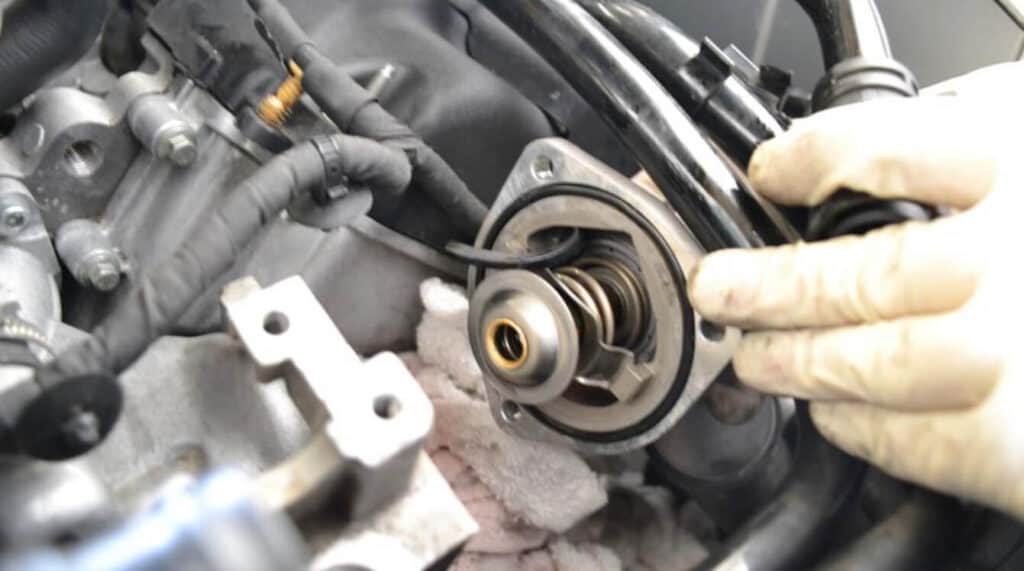
Your car’s coolant system plays a crucial role in maintaining the engine’s optimal operating temperature. Whether you’re navigating through freezing winter weather or driving through scorching summer heat, temperature extremes can have a significant impact on your car’s cooling system. Understanding how these temperature fluctuations affect your coolant system is essential for preventing engine damage and maintaining reliable performance. In this blog, we’ll explore the signs of coolant system stress, the effects of extreme cold and heat, and how to protect your system from potential damage.
Signs of Coolant System Stress
Your vehicle’s coolant system is designed to keep the engine at a safe temperature. However, extreme temperature conditions can put additional strain on the system, causing it to malfunction. Here are a few signs that your coolant system is under stress:
- Overheating Engine
One of the most common indicators of coolant system failure is an overheating engine. If the engine temperature gauge rises above the normal range or if you notice steam coming from under the hood, this is a clear sign that the coolant is not circulating effectively. Overheating can be caused by a low coolant level, a blocked radiator, or a malfunctioning thermostat, all of which can be exacerbated by extreme heat. - Coolant Leaks
Coolant leaks are often a result of damage to the radiator, hoses, or other cooling system components. These leaks can occur when the system is subjected to extreme heat or cold, causing parts to expand or contract. If you notice puddles of coolant under your car or your coolant level dropping, it may be a sign that the system is compromised and needs attention. - Poor Heater Performance
The vehicle’s heating system relies on the coolant system to circulate warm air into the cabin. If your heater is struggling to maintain warmth during the winter, it could be a sign that the coolant is not circulating properly. This could be due to air trapped in the system, a blocked heater core, or low coolant levels. - Dashboard Warning Lights
Modern vehicles come equipped with sensors that monitor the coolant system. If there’s a problem, such as a high engine temperature or low coolant level, the dashboard warning lights will alert you. If these lights come on, it’s important to address the issue immediately to prevent further damage to the engine.
Impact of Extreme Cold
While extreme heat is often associated with coolant system failure, extremely cold temperatures can also cause significant problems. The primary risk during winter is that the coolant can freeze, potentially leading to engine damage.
- Coolant Freezing
The coolant in your car, especially antifreeze, is designed to prevent freezing in cold temperatures. However, if the coolant level is low or if it is not properly mixed with antifreeze, the coolant can freeze when the temperature drops too much. A frozen coolant system can lead to cracked hoses, a damaged radiator, or a burst engine block. - Thickened Coolant
In extremely cold conditions, even if the coolant does not freeze, it can thicken, reducing its ability to flow through the system. This can cause poor circulation, leading to the engine running too hot once the vehicle starts warming up. The thicker the coolant, the harder it is for the system to regulate engine temperature efficiently. - Damaged Seals and Hoses
Cold weather can cause rubber hoses and seals to become brittle and crack. When this happens, the seals may fail to keep the coolant contained within the system, leading to leaks. If left unaddressed, these leaks can cause the engine to overheat once the car starts to warm up.
How to Protect Your Coolant System in Extreme Temperatures
- Check and Maintain Coolant Levels
Regularly checking your coolant levels is one of the most effective ways to prevent coolant system issues. You can follow this guide on how to check your coolant level to ensure it’s at the proper level, especially before facing extreme weather conditions. - Use the Right Coolant
Make sure to use the correct coolant for your vehicle. Choose a coolant that is designed for your vehicle’s engine type and the climate in which you live. Coolant for car is available in different formulations, and using the appropriate one ensures that your car’s cooling system operates effectively in both cold and hot conditions. - System Maintenance
Regular maintenance of your coolant system is essential for longevity and performance. This includes flushing the radiator, checking for leaks, and ensuring that the hoses and seals are in good condition. - Prepare for Winter Driving
If you live in a region with extreme winter conditions, consider investing in snow chains for tires to enhance traction on icy roads, which helps prevent engine strain caused by slipping and overworking the cooling system.
Conclusion
Temperature extremes—whether cold or hot—can significantly stress your car’s coolant system, leading to potential issues with engine performance, overheating, or freezing. By regularly checking coolant levels, using the right coolant, and maintaining the system, you can protect your vehicle from the harmful effects of extreme temperatures. Whether dealing with the freezing cold or sweltering heat, maintaining your coolant system ensures that your engine stays at the right temperature, promoting better performance and avoiding costly repairs.
