


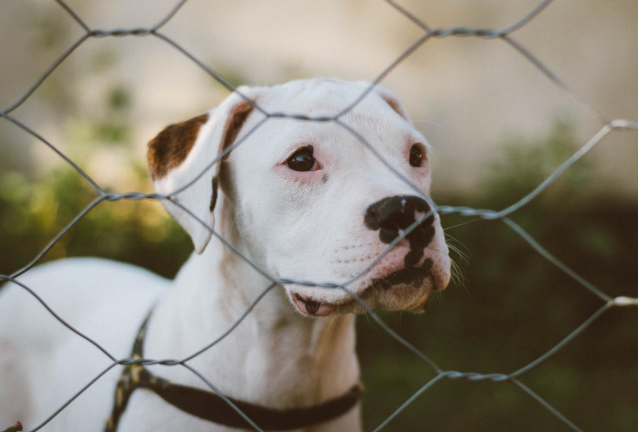
When it comes to protecting our beloved pets and gardens from unwanted critters, a well-planned animal fence can be a game changer. We often find ourselves pondering, “How can we create a secure environment for our furry friends while keeping out the wildlife?” Lucky for us, we’ve explored various fencing options and gathered insights that can help you navigate the world of animal fencing. Let’s dive into our comprehensive how to animal fence guide, where we will share practical tips and tricks for implementing an effective and pet-friendly fencing solution.
Understanding the Basics of Animal Fencing
Before we embark on our fencing journey, it’s vital to understand the types of animals we want to keep in or out. Each type of animal has unique characteristics and behaviors that dictate the kind of fence we should consider. For instance, deer can leap higher than you might expect, requiring a fence height of at least 6 to 8 feet for effective deterrence. On the contrary, something like a rabbit only needs a 2 to 3-foot barrier since they are more adept at squeezing through small openings than they are at jumping.
The basis of our how to animal fence guide starts with the materials we choose. Metal fencing is often the go-to option for many as it provides durability and strength. For instance, black galvanized steel mesh is an excellent choice for deer fencing, ensuring that those agile creatures stay at bay. Additionally, we can explore poly fencing, which, while lightweight, requires additional support measures like a tensioning system to prevent sagging under pressure.
Choosing the Right Fence for Your Needs
When we think about animal fencing, we need to consider not only the animal we want to keep out but also those we want to keep in. Each scenario may require a different approach. For example, if we’re looking to keep our dogs contained, a sturdy 4 to 6-foot metal fence with a secure bottom fold can do wonders. Dogs, especially energetic breeds, can be quite resourceful and might try to dig under or leap over a flimsy barrier.
On the other hand, if our goal is to create a safe space for our cats, we’d need a fence that reaches 6 to 8 feet in height, equipped with inward-pointing extenders to prevent them from climbing over. Cats are natural climbers, and while we love their adventurous spirits, we also want to keep them safe within our yards. A well-structured cat fence should combine poly mesh with a metal bottom guard to deter any attempts to dig out.
Installation: The Key to Success
Now that we’ve identified the type of fence needed for our specific situation, it’s time to consider installation. We firmly believe that a well-installed fence is the backbone of any successful animal fencing solution. The first step is to ensure that we’re following local regulations regarding fence height and materials. Once we’re clear on that, we can begin marking the perimeter where we want our fence to go.
When installing the fence, it’s essential to keep the posts spaced correctly. For example, we recommend keeping the posts no more than 8 feet apart for sturdiness. If we’re dealing with taller fences, like those needed for cats or deer, we might even consider reducing the distance between posts to maintain structural integrity, especially in areas with heavy snow loads.
As we dig the post holes, it’s crucial to remember that the depth matters. For many types of fencing, burying part of the fence underground can help deter digging animals. For instance, when building a groundhog fence, we should bury at least 12 inches of the fencing to keep these burrowing critters out.
Maintenance and Adjustments
Once our animal fencing is installed, our job isn’t quite over. Regular maintenance is key to ensuring the longevity and effectiveness of the fence. We should routinely check for any signs of wear and tear, such as rust on metal components or sagging in poly fencing. If we notice any issues, it’s vital to address them promptly to prevent breaches.
Additionally, keeping the area around the fence clear of shrubs or other plants is essential. These can provide critters with a launching pad to jump over or help them dig beneath the fence. Regularly trimming back overgrown vegetation can significantly reduce the chances of wildlife finding a way into our yards.
One tip we love is adding a tension cable at the top and bottom of the fence for additional support. This not only adds strength but also helps the fence remain taut, preventing sagging over time.
Creating a Safe Haven for Pets
Ultimately, the goal of our how to animal fence guide is to create a safe haven for our pets while keeping unwanted wildlife at bay. By understanding the needs of our four-legged friends and the behaviors of the critters we want to keep out, we can make informed decisions about our fencing options.
Whether we choose metal or poly fencing, the key lies in proper installation and ongoing maintenance. This ensures that our fences remain effective and our pets stay safe and happy within the confines of our yards.
With these insights and strategies in hand, we are well-equipped to tackle any animal fencing project at Critterfence. Let’s take pride in creating environments that not only protect our gardens and pets but also contribute to a harmonious coexistence with nature. Happy fencing!
