

Wake up at 5 am. Meditate. Exercise. Grind. At least that’s what every influencer tells you in TikTok videos — the delicious recipe on how to fulfill your potential and become the best version of yourself. But who said the version you are today isn’t good enough?
Let us tell you what the best version is and why it’s not about having a perfect morning routine or being the most ripped person in the entire world.
Does the best version of oneself even exist?
The best version stands for authenticity and your ability to live up to your dreams and values.
And it is a challenge. As Gabor Maté would have said, we’re too distracted by the consumeristic culture that tells us what to eat, watch, think, and feel. No wonder we need a tool like theliven app to guide us toward better mental health and understanding of who we truly are. In the end, it all comes down to things you value and cherish. If you’ve never cared about building a career, but your friend did, then your definitions of ‘the best version’ would definitely differ.
Here are the things that the ‘best version of oneself’ as a concept might include:
- Getting rid of the old unhealthy habits and forming new ones
- Learning more about your inner self aka values, dreams, purpose
- Setting a plan on how to live in accordance with your belief system
- Learning awareness and mindfulness
- Processing childhood trauma
- Managing anxiety
- Working on your self-esteem, etc.
Here is what to do on the road to self-improvement
Our first stop is self-discovery. We’re constantly bombarded with messages from social media regarding what we should do with our lives. So, it’s okay that you’ll need help from an app or a specialist like a psychologist to help you hear your inner voice. No shame in that!
The earlier you discover what you want from life, the easier it will be to set goals and take intentional steps toward them.
Challenge negative thoughts, feelings, and behaviors
There once was a guy called Aaron T. Beck who said that what you think and feel triggers how you behave and vice versa. Well, as the founder of cognitive behavioral therapy (CBT), Beck was right: you CAN fake it till you make it.
What does it have to do with our article? Self-improvement = Change, which means you’ll doubt your abilities sometimes. When the doubt or any other negative feeling knocks on your door, you can:
- Forget about ‘always’ and ‘never’. You don’t ‘always fail.’ You just had a presentation that didn’t go well today, but there was one that went great yesterday.
- Get out of your imagination for a second and look for evidence in reality. If your friend responds to your messages longer than usual, it’s because they’re too busy or simply overwhelmed, not because they stopped caring about you.
- Practice self-compassion. Treat yourself like you would your best friends. Would you call them a failure if their presentation went wrong?
- Use a tool, whether a good old paper diary or a digital app, to jot down your thoughts, feelings, and reflections on your behavior. Later, you can revisit them and do some more internal work.
Take care of your mind and body
Eat healthy, exercise, and think positively. Sounds easy, right? Well, it’s not. Because everything we’ve listed is a habit. Yes, it’s impossible to remember buying an avocado at a grocery store unless you’re a Millennial or have been eating well for decades.
Anyway, here are a few simple habits to develop on the road to wellness:
- Sleep well — the better you sleep, the stronger your immune system is
- Turn calls into mini-walks
- Use the ‘swap, don’t stop’ trick. Want soda? Go for sparkling water
- Think of at least one good thing that happened today before going to sleep
- Stretch while scrolling TikTok
- Keep a glass of water on your table full
Plan your growth journey in easy-to-manage ‘chunks’
Changes don’t happen overnight. They happen with a bit of patience and a lot of planning.
❗ Your goal should be achievable — otherwise, you’re doomed to fail. For instance, if smoking has been the definition of your lifestyle for too long, don’t hope to quit it in a week.
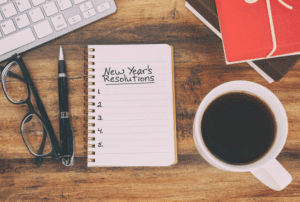
- Start with inner motivation. Why do you want to cut on cigarettes? Write down your reasons and revisit them when your cravings strike.
- Keep things manageable and realistic. For instance, try reducing your intake by one cigarette per day over a month to avoid that overwhelming withdrawal.
- Set milestones. Track your progress and mark small wins.
- Plan for roadblocks. Cravings and setbacks happen. Have a strategy: chew gum, go for a walk, or text a friend — whatever works for you.
Keep procrastination at bay
Procrastination is a very old and simple defense mechanism — it’s just your brain trying to talk you out of doing unpleasant things. Here are a few proven ways to beat it.
- Pomodoro technique. It’s simple and it’s very effective. You work for 25 minutes and take a 5-minute break or work for 50 minutes and take a 10-minute break. Or go to YouTube and type ‘Pomodoro’ so you don’t have to count minutes yourself.
- Make everything stupidly easy. Instead of saying ‘Write a report,’ trick your brain into ‘Write one sentence.’
- Need + want. You need to clean the house but want to listen to a podcast — no problem, combine both!
- Get an accountability buddy. Oh, the wonder of social pressure… 😊 You’re more likely to stick to your goals when you have someone to hold you accountable.
Final thoughts
Sure, everyone wants a few tweaks here and there in their appearance, career, social life, and other aspects that make us who we are. The key is to choose what you value, what you want to change, and how you want to grow. Experts at techtimes.com highlight that personal growth isn’t about drastic changes but about making intentional choices that align with your goals and values.
In the end, it’s not about perfection but about living a life fully aligned with who YOU are at the core, your dreams, and your purpose.
