


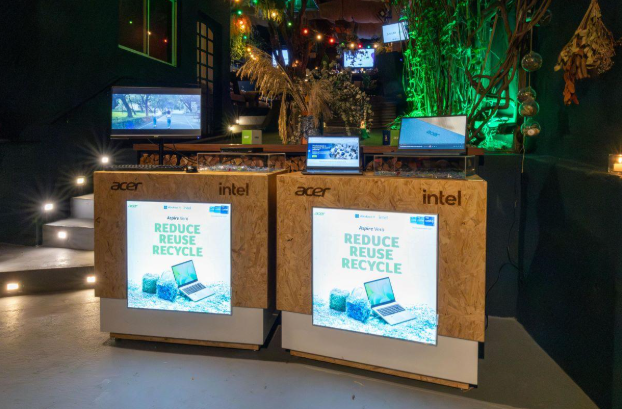
Sustainability isn’t optional anymore-it’s essential. Over the years, consumers worldwide have become increasingly eco-conscious, and as a result, the demand for eco-friendly display options has grown significantly.
For businesses, embracing sustainability isn’t just about keeping up with trends-it’s about aligning with the values of modern consumers. Innovative plant-based materials are transforming visual communication and paving the way for a greener, more sustainable future.
Why Choose Plant-Based Materials for Displays?
Using plant-based materials for displays offers a wide range of benefits, both for the environment and for your business. These materials help significantly reduce your carbon footprint, and because they’re biodegradable and recyclable, they offer an eco-friendly alternative to traditional materials.
What’s more, opting for sustainable displays shows your customers that you care about the planet. It aligns your business with the values of eco-conscious consumers, enhancing your brand image and building trust in your commitment to sustainability.
Popular Plant-Based Materials for Displays
If you’re looking to embrace sustainability, plant-based retail display solutions are a great place to start. Here are two of the most popular materials that combine eco-friendliness with functionality:
Re-Board
Re-Board displays are known for their functionality, versatility and eco-friendly advantages. Re-Boarding comes with an engineered fluted core, which is lightweight yet exceptionally durable. Its 100% recyclability makes it an ideal choice for businesses looking to minimize environmental impact.
Due to its versatility, Re-Boarding can be used at pop-up shops and exhibitions, among other events. It is one of the strongest materials that can be used for displays, which helps designers create whatever shape, size and colour they’d like. It is easy to transport, assemble, and disassemble.
Fabric
Fabric painting has also gained popularity as one of the most sustainable options. Fabric prints capture a lot of attention because of the dye sublimation processes, which leads to a more vibrant appearance.
One of the key benefits of fabric displays is their reskinning capability. This means the fabric can be replaced with new designs when needed, extending the lifespan of the display and reducing waste. Not only does this make fabric displays more sustainable, but it also helps businesses save on costs in the long run.
Additional Plant-Based Materials Shaping the Industry
In addition to Re-Board and fabric, other materials like bamboo and hemp are making waves in the world of sustainable displays. These materials are not only environmentally friendly but also versatile and aesthetically appealing, offering endless possibilities for creative and eco-conscious designs.
Bamboo Panels
Bamboo is a standout material thanks to its natural beauty and rapid growth, making it one of the most renewable resources available. It’s incredibly durable and versatile, perfect for use in shelves, signage, and structural elements. Whether you’re designing eco-friendly furniture or creating a stunning counter or backdrop, bamboo adds a warm, natural aesthetic that’s hard to beat.
What makes bamboo even more impressive is its 100% biodegradability. It requires minimal resources to grow, making it an ideal choice for businesses aiming to minimise their environmental impact while creating stylish, sustainable displays.
Hemp Fabrics
Hemp fabric is another excellent choice for displays. Hemp is naturally strong and lightweight, which makes it ideal for banners, signage, and reusable tote bags. It is resistant to wear and tear and adaptable in nature.
Just like bamboo, hemp also has rapid growth and low resource needs. The entire plant can be utilized, ensuring minimal waste and maximum environmental benefit.
Applications of Plant-Based Displays in Retail and Exhibitions
Plant-based materials provide a wide range of options for creating sustainable, eye-catching displays that are perfect for retail and exhibitions. Not only do these materials enhance the shopping or event experience, but they also send a clear message about your brand’s commitment to sustainability.
For exhibitions, plant-based display solutions can be used for booth designs that relate with eco-conscious audiences. Whether it’s a product launch or a trade show, these materials help create memorable experiences while reducing environmental impact.
In experiential marketing, plant-based displays merge creativity with sustainability. From pop-up installations to interactive exhibits, they offer unique opportunities to engage audiences meaningfully.
Designing Displays with Plant-Based Materials
The true potential of plant-based materials lies in how they’re designed and used. Thoughtful, creative design can maximise both the functionality and sustainability of these materials. By incorporating eco-friendly principles into the creative process, you can craft displays that are visually impactful and environmentally responsible.
Another important factor to keep in mind when designing is longevity. Re-skinning graphics or repurposing components can extend the lifespan of displays, reducing waste and offering long-term cost savings. With a variety of creative examples available, such as modular exhibition booths and dynamic sustainable retail displays, the versatility of these materials is well-known.
Conclusion
Incorporating plant-based materials into retail and exhibition displays is a significant step toward a more sustainable future. With options like Re-Board, fabric, bamboo, and hemp, businesses have endless opportunities to create impactful, eco-friendly designs that not only captivate consumers but also showcase a commitment to the environment.
Now is the perfect time to embrace these innovative materials and redefine how visual communication is done. By choosing sustainability, your business can stand out with displays that leave a lasting impression-not just on your audience, but on the planet as well.
