


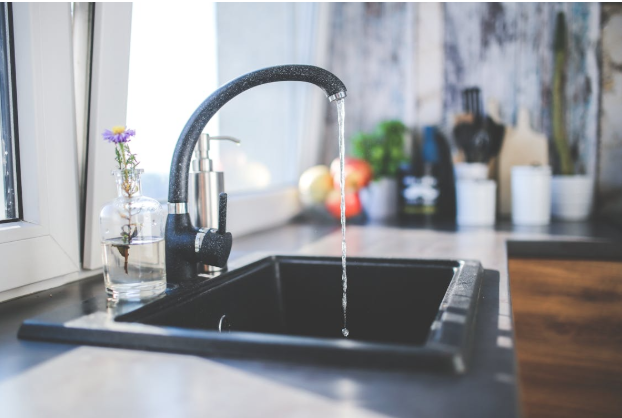
The kitchen sink is one of the busiest spots in any home. From washing produce to rinsing dishes, it handles a lot every day. Because of this constant use, it’s easy for food scraps, grease, and soap residue to build up over time. This buildup can slow down drainage, cause unpleasant smells, or lead to clogs that interrupt your routine.
A well-maintained kitchen sink not only works better but also makes cooking and cleaning more convenient. Regular care can keep it fresh, help prevent blockages, and reduce the need for emergency repairs.
Whether you prefer to handle basic maintenance yourself or rely on professional services, there are ways to keep your sink in top condition. The following tips cover both simple daily habits and more thorough solutions for long-term performance.
Understand Different Cleaning Methods
Over time, grease, coffee grounds, and tiny food particles can collect inside your pipes. Even if you scrape plates before washing, some residue can still slip through. Small blockages might clear with a simple home remedy, but heavier buildup often needs professional attention.
When deciding on professional services, it’s worth understanding the difference between hydro jetting VS drain cleaning. Hydro jetting uses high-pressure water to thoroughly clear the inside of the pipe, removing buildup along the entire length. Standard drain cleaning, on the other hand, usually targets a specific clog with tools like augers or drain snakes. Knowing the difference can help you choose the right method for your situation.
If your sink drains slowly even after basic cleaning, hydro jetting might be the more effective choice. But for a quick fix of a small blockage, standard drain cleaning may be enough. Discussing your options with a plumber can help you decide which service best fits your needs.
Practice Daily Prevention
The easiest way to avoid clogs is to stop them before they start. Simple daily habits can make a big difference in keeping your kitchen sink running smoothly.
Start by keeping fats, oils, and grease out of the drain. These substances may go down as liquids but quickly solidify, coating the inside of your pipes. Instead, collect grease in a container and throw it away in the trash.
Using a sink strainer is another easy step. A good strainer catches food scraps before they enter the drain, making cleanup easier and protecting your plumbing.
After washing dishes or cleaning the sink, run hot water for a few seconds. This helps wash away small bits of residue and keeps the pipes clearer for longer.
Use Safe Cleaning Solutions
Harsh chemical cleaners may promise quick results, but they can damage your pipes over time and harm the environment. For regular upkeep, natural solutions work well without the risks.
A mix of baking soda and vinegar can help freshen the drain and loosen light buildup. Pour half a cup of baking soda down the drain, followed by half a cup of vinegar. Let it sit for about 15 minutes, then flush with hot water.
Doing this once a month can help maintain good flow and reduce odors. For more stubborn clogs, stick to mechanical methods like plungers or call a professional for a thorough cleaning.
Know When to Call a Professional
Even with good habits, some clogs and drainage problems need more than home remedies. If your sink backs up frequently, drains slowly for days at a time, or has a persistent odor that doesn’t go away after cleaning, it’s a sign you might need professional help.
Recurring problems often mean there’s a buildup deeper in the plumbing system that regular cleaning can’t reach. A plumber can inspect the pipes, identify the cause, and choose the best method for clearing it. This not only solves the immediate problem but also helps prevent more serious issues, such as pipe damage or leaks.
Professional services can also be helpful for older plumbing systems. Over the years, small amounts of buildup can harden along the walls of the pipes, making them narrower and slowing water flow. Addressing these issues early can help maintain consistent performance and reduce the risk of costly repairs in the future.
Maintain Faucet and Fixtures
While most people focus on the drain, the faucet and fixtures also play a big role in keeping a kitchen sink working well. Mineral deposits can collect on the aerator, reducing water pressure and creating uneven flow. Cleaning the aerator every few months helps keep the stream strong and steady.
Leaks from the faucet or handles can waste water and lead to damage around the sink area. Even small drips can add up to higher water bills over time. Checking for leaks regularly and replacing worn washers or seals can stop the problem before it grows.
Loose handles or wobbly faucets should be tightened as soon as you notice them. A secure fixture is easier to use and less likely to develop leaks at the base. These small repairs take only a few minutes but can make a big difference in how well your sink performs.
Adopt a Long-Term Maintenance Mindset
A smooth-running kitchen sink is the result of consistent care, not just occasional fixes. Combining daily prevention with occasional deep cleaning and minor repairs creates a balance that keeps the sink in good shape year-round.
Scheduling a routine inspection of your kitchen plumbing once or twice a year can help catch issues before they turn into emergencies. This is especially useful if you have an older home or live in an area with hard water, which can speed up buildup inside pipes and fixtures.
Keeping a simple maintenance checklist can also make it easier to stay on track. Include tasks like cleaning the aerator, checking for leaks, using a natural drain cleaner monthly, and inspecting the pipes under the sink for moisture or corrosion.
Keeping your kitchen sink in top condition doesn’t require complicated tools or major expenses. A mix of good daily habits, safe cleaning methods, and occasional professional attention can keep water flowing freely and help avoid unexpected plumbing problems.
By taking small, consistent steps, you can enjoy a clean, efficient, and reliable sink that makes daily cooking and cleaning much easier. With the right approach, your kitchen sink can stay smooth-running and problem-free for years to come.
