


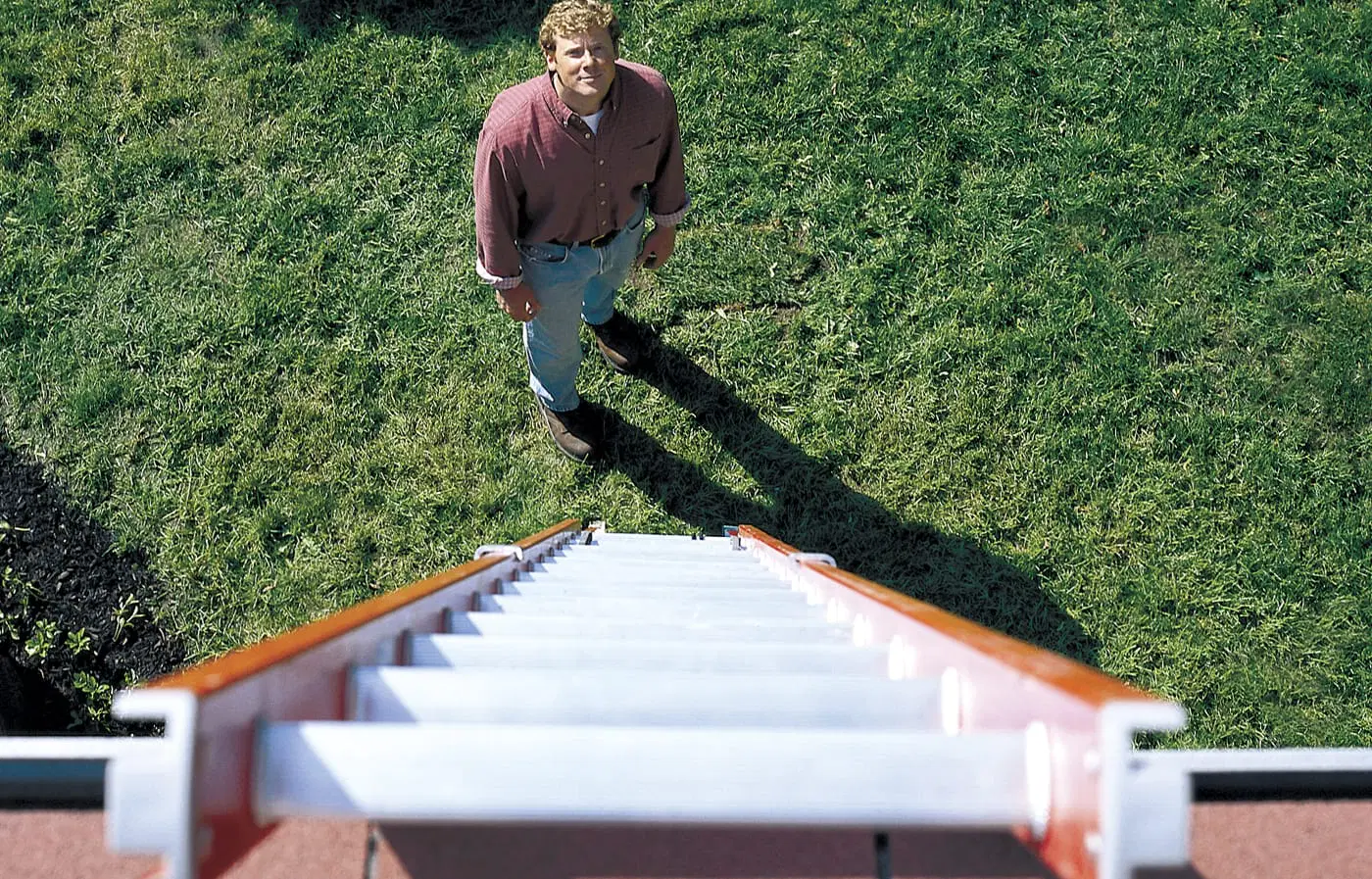
Let’s get this out of the way early: heights make a lot of us uneasy. Even if you’re cool with it, standing at the top of a ladder, suddenly remembering that one wobbly step last summer, can make anyone second-guess their balance. I’ve been there. Painting my old garage, I hit that last rung, my foot slipped, and for a second, my life did kind of flash in front of my eyes (spoiler: it wasn’t that exciting). That day taught me ladders are not something to take lightly.
Pick the Right Ladder—Not the Ricketiest One in the Shed
Start by grabbing the ladder that’s up for the job. Stepladder for the living room? Extension ladder for the gutters? Don’t just reach for the old rickety one because it’s closer. Check that the feet don’t wiggle, the steps aren’t bent, and nothing’s held together with twine or, heaven help us all, duct tape. Weight limits matter too—even if you say those holiday cookies “don’t count.”
And this is a sneaky one: put the ladder on level ground. My uncle once set a ladder up on a patch of gravel because he was “just hopping up for a second.” He ended up hopping right into the rose bushes instead. Don’t be my uncle.
Three Points of Contact—Sounds Boring, Actually Works
You’ve probably heard this drilled into your brain somewhere: three points of contact, always. Two feet and a hand, or two hands and a foot. Anything less and that ladder feels ten times taller. I get it, sometimes you’re reaching for just one more thing, but I’ve never met a ceiling fan worth a broken arm.
No leaning. No stretching. Move the ladder instead, even if it seems like a hassle. Your body will thank you. Even if you think you’re one of those people with amazing balance (and maybe you are), ladders have a way of humbling the best of us.
Tools In Pockets Are Trouble
Here’s a bit of common sense that isn’t always so common—don’t climb with both arms full. Use a tool belt or a bucket on a rope to bring up your gear. That way you can keep at least one hand on the ladder at all times. Dropping a hammer from ten feet up is dramatic. Watching it bounce off your car? Even more so.
Take it from me: pausing to think about where your hands are and what you’re holding saves way more time than explaining to your partner why there’s a dent on the hood.
Remember: High Places Require Extra Caution
If you’re up on scaffolding or anything fancy, brush up on elevated platform safety rules. Railings, harnesses, even just double-checking the locks—all that stuff is there for a reason. You’d be surprised how many people end up in the ER because they trusted their luck instead of the equipment.
Wrapping Up: Better Safe Than Sorry, Always
When you’re working up high, slow down and do it right. The view isn’t worth it if you end up horizontal. If your friend tries to stand on the very top step—call them out on it. Better to laugh about safety than cry over a sprained ankle. And hey, you might even keep your car free of unexpected dents this year. Stay safe up there.
