


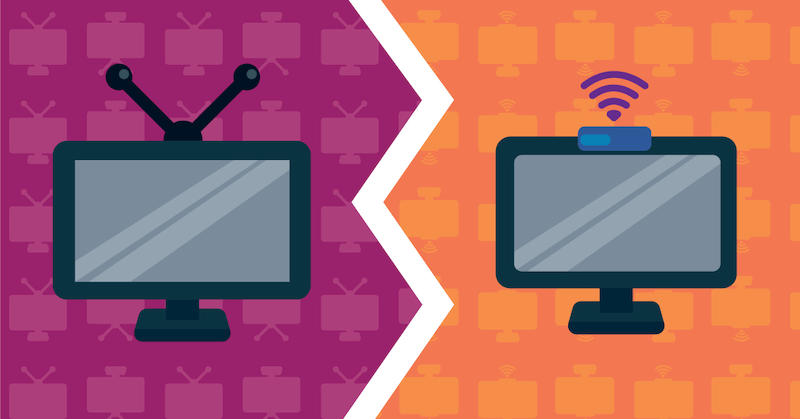
The way we consume television content has undergone a seismic shift over the last decade. For years, linear TV dominated as the primary method for watching shows, sports, and news. Viewers had to tune in at specific times to catch their favorite programs, relying on cable or satellite providers for access. Then came streaming TV, revolutionizing how and when audiences watch content. With on-demand flexibility, customized options, and vast libraries, streaming has challenged linear TV’s longstanding reign. Yet, each format has its strengths and weaknesses, and viewers continue to weigh their options.
What Is Linear TV?
Linear TV refers to traditional television broadcasting where content is scheduled and viewed in real-time. Networks decide what airs and when, leaving viewers to follow a set programming schedule. Think of tuning in at 8:00 PM to watch your favorite primetime drama or waking up to catch live morning news. Cable, satellite, and over-the-air antennas have long delivered linear TV into homes, making it a household staple. Live events like sports, awards shows, and breaking news remain its bread and butter, offering something streaming platforms struggle to replicate: communal, real-time experiences. However, linear TV requires patience. If you miss an episode, you’re at the mercy of reruns or DVR options.
How Streaming TV Changed the Game
Streaming TV, on the other hand, shattered the limits of schedules and set-top boxes. Platforms like Netflix, Hulu, Disney+, and Amazon Prime Video allow audiences to access their favorite shows and movies at any time. Viewers no longer have to plan their day around a network’s programming; instead, they can binge-watch an entire series in one sitting or watch on-the-go from their phones. Streaming platforms offer personalized recommendations based on viewing habits, making content discovery easier. The flexibility and variety make streaming especially appealing to younger generations who favor convenience. Yet, this freedom often comes at the cost of rising subscription fees and the challenge of managing multiple platforms.
Cost Considerations: Which Is More Affordable?
When comparing linear TV and streaming, cost plays a significant role. Linear TV often comes bundled with hefty cable or satellite packages that include hundreds of channels, many of which go unwatched. While some households still value channel variety, the price tag can be a deterrent, with average monthly bills reaching well over $100. Streaming platforms, at first glance, seem far more affordable, offering subscriptions as low as $10 to $20 per month. However, as more services enter the market, consumers find themselves juggling multiple subscriptions. What once saved money can now add up quickly. Choosing between the two often depends on viewing priorities and budget flexibility.
The Content Factor: Quantity vs. Quality
The sheer volume of content available on streaming platforms is staggering. From exclusive original shows to decades-old classics, streaming services cater to almost every taste and preference. Viewers enjoy the ability to dive deep into niche genres, international content, and documentaries with a click of a button. Linear TV, meanwhile, focuses heavily on live events and network-produced programming, often emphasizing quality over quantity. For example, major networks still produce high-budget dramas, sitcoms, and reality TV that dominate cultural conversations. Additionally, linear TV’s scheduled programming provides structure, something streaming’s vast libraries can lack. Both formats boast impressive content, but personal preference determines which experience is more fulfilling.
Which Format Wins in the End?
There is no clear winner in the battle between linear TV and streaming TV because audiences value different things. Linear TV holds strong with older generations and viewers who prioritize live broadcasts like sports, breaking news, and shared viewing experiences. It remains a reliable choice for those who enjoy the familiarity of scheduled programming. Streaming TV, meanwhile, attracts tech-savvy users and younger demographics who crave flexibility, customization, and on-demand access. As technology continues to evolve, the lines between the two formats blur. Many cable providers now offer streaming options, and platforms like YouTube TV combine elements of both.
Making the Choice
The competition between linear TV and streaming TV reflects broader changes in how society consumes media. Linear TV remains a steadfast option for live content and shared cultural experiences, while streaming TV thrives on convenience, flexibility, and personalization. Neither format is perfect, and both come with trade-offs in cost, content variety, and accessibility. Ultimately, the decision comes down to individual preferences and viewing habits. As entertainment options expand, audiences are fortunate to have choices that fit their evolving needs. Whether you’re a loyal cable viewer or a streaming enthusiast, there’s no shortage of ways to enjoy quality television.
