


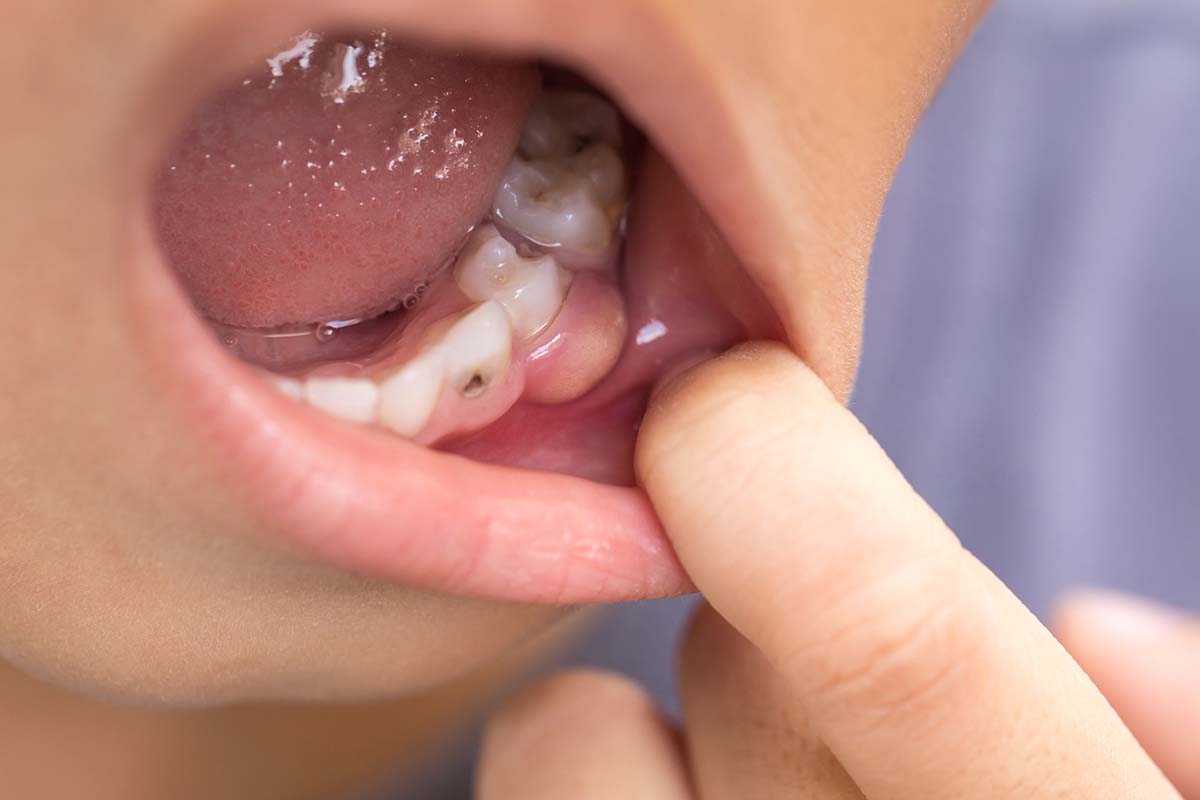
Childhood cavities aren’t just a minor nuisance, they’re actually one of the most widespread chronic conditions affecting kids today. The numbers tell a concerning story: roughly one in five children between ages five and eleven are walking around with at least one untreated cavity right now. These dental problems can start surprisingly early, sometimes even in infancy when babies fall asleep with bottles of milk or juice, or when parents haven’t yet established solid oral hygiene routines. Here’s something many parents don’t realize: those baby teeth that seem temporary actually matter quite a bit.
Early Detection Through Regular Pediatric Dental Examinations
Think of regular dental check-ups as the foundation of keeping cavities at bay in children. Pediatric dentists actually recommend getting kids in for their first visit by their first birthday, or within six months after that first tooth pops through, whichever happens first. These early visits aren’t just for show; they give dental professionals the chance to spot potential trouble before it turns into something requiring serious treatment. During these routine appointments, dentists examine every visible tooth surface, searching for telltale signs of decay like white spots, unusual discoloration, or tiny holes forming in the enamel.
Preventive Treatments and Protective Measures
Today’s pediatric dentistry brings an impressive toolkit of preventive treatments designed specifically to shield children’s teeth from cavity formation. Dental sealants rank among the most effective options available, they’re thin protective coatings painted onto the chewing surfaces of back teeth, right where cavities love to form. These coatings work by sealing off all those little grooves and pits in molars, keeping food particles and bacteria from settling into vulnerable spots. Fluoride treatments administered during regular visits provide another layer of defense, strengthening tooth enamel and making teeth more resilient against acid attacks from bacteria and sugary treats.
Treatment Options for Existing Cavities in Children
Even with the best prevention efforts, cavities sometimes develop, but modern pediatric dentistry has plenty of age-appropriate treatment options to restore dental health while keeping children comfortable throughout the process. Traditional dental fillings remain the go-to treatment for cavities that have progressed past those very early stages. Pediatric dentists typically use tooth-colored composite materials that blend seamlessly with natural teeth, delivering both functional repair and aesthetic results that won’t embarrass kids. When decay has gotten more extensive, stainless steel crowns might be the recommendation, they protect and preserve severely damaged baby teeth until they’re ready to fall out naturally. In situations where cavities have reached deep into the tooth’s inner pulp, pulp therapy procedures (similar to adult root canals) can save the tooth and eliminate the need for extraction. When searching for a dentist in San Diego to handle pediatric cavity treatment, parents should prioritize professionals who genuinely specialize in helping children feel at ease during procedures. Silver diamine fluoride represents an exciting newer option, it’s a non-invasive treatment that can halt cavity progression in certain cases, proving especially helpful for very young children or those with special healthcare needs. Pediatric dentists take into account each child’s unique circumstances, anxiety levels, and specific dental requirements when mapping out treatment approaches. For children needing extensive work or dealing with significant dental fears, sedation options ranging from nitrous oxide (“laughing gas”) all the way to general anesthesia are available when necessary.
Home Care Strategies and Parental Involvement
Here’s the reality: successful cavity management doesn’t stop when you leave the dental office, it requires consistent daily care and hands-on parental guidance at home. Parents should kick off oral hygiene practices the moment that first tooth appears, using just a tiny smear of fluoride toothpaste for kids under three and bumping up to a pea-sized amount for children between three and six years old. Brushing needs to happen twice daily, and parents should actively help or supervise until children develop enough coordination and responsibility to handle it themselves, usually around age seven or eight. Flossing enters the picture once teeth start touching each other (typically around ages two to three), because brushing alone simply can’t reach those tight spaces between teeth where cavities frequently take hold.
Conclusion
Managing cavities in children really comes down to a comprehensive approach that weaves together professional dental care, diligent home practices, and active parental involvement. Through consistent dental examinations, strategic preventive treatments, and quick intervention when issues crop up, pediatric dentistry delivers effective solutions for safeguarding children’s oral health. Parents who grasp the importance of those baby teeth, stick to consistent oral hygiene routines, and team up with pediatric dental professionals are laying the groundwork for healthy smiles that last a lifetime. By making preventive care a priority and tackling cavities promptly when they appear, families help children sidestep pain, maintain proper nutrition, and build positive attitudes toward dental health that will serve them well into adulthood and beyond.
