


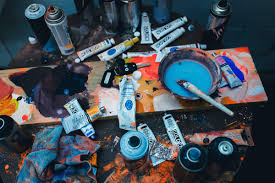
Art journaling is a fantastic way to express your creativity, explore new techniques, and create something uniquely yours. If you’re looking to take your art journal to the next level, mixed media is a perfect way to do it. Mixed media combines various materials and artistic techniques, resulting in beautiful, textured, and dynamic journal pages that are full of surprises. Whether you’re a beginner or an experienced artist, incorporating mixed media into your art journaling can transform your pages and provide endless possibilities for self-expression.
In this post, we’ll explore several mixed media techniques that will help elevate your art journal and inspire you to create with confidence. From adding texture to experimenting with color, here are some tried-and-true methods to make your art journal come alive.
1. Layering Paper and Collage Elements
One of the most popular mixed media techniques is layering paper and other collage elements. This could include old book pages, scrapbook paper, magazine cutouts, tissue paper, and even fabric scraps. Collaging allows you to create depth and texture in your journal while giving you the freedom to tell a visual story. To start, choose a theme or color palette for your spread, and begin layering these materials.
To glue these elements down, use a strong adhesive like Mod Podge, gel medium, or a good quality craft glue. These glues are versatile and can also act as a sealer for your collages, allowing you to layer even more materials on top. Don’t be afraid to tear or distress the edges of the paper to add a worn, vintage look. You can even add dimension by folding or crinkling some of the papers to create a more tactile experience.
2. Incorporating Paint and Watercolor
A splash of color can transform any art journal page, and with mixed media, you have the opportunity to experiment with different types of paints. Acrylic paints, watercolor, and even ink sprays are fantastic for creating vibrant, dynamic backgrounds. Acrylic paint is thick and versatile, making it ideal for layering on top of collage elements. You can also create washes of color using watercolor or water-based inks for a softer, more ethereal effect.
To make your pages even more interesting, try experimenting with different techniques. For example, you can create a gradient effect by blending two colors together, or you can use watercolor to create a soft, dreamy background. Watercolor pencils are also an excellent tool for adding subtle pops of color. Once you’ve applied your paint or watercolor, try adding a layer of gesso to create texture or even wipe away some paint for a distressed look.
3. Texture Paste and Stencils
Texture paste is a fantastic way to create dimensional patterns and textures on your art journal pages. This technique involves applying a thick, creamy paste through a stencil to add visual interest and depth. You can use any type of stencil—whether geometric, floral, or abstract—to create patterns that stand out on the page. The texture paste itself can range from smooth to gritty, depending on the type you use, and can even be tinted with acrylic paints to match your journal’s color scheme.
Once the paste dries, you can use various tools, such as sponges, brushes, or palette knives, to experiment with how you apply it. Don’t hesitate to layer different stencils over one another for a more complex and multi-dimensional look. The key here is to allow the texture paste to dry completely before adding any additional layers of paint or ink on top.
4. Stamping and Ink Techniques
Stamping with ink pads is an ideal technique for adding texture and patterns to your mixed media journal. Whether you’re using rubber stamps, foam stamps, or even everyday objects like bottle caps and cardboard, stamping can create captivating impressions that enhance your page. This method is perfect for adding repeating patterns, shapes, or words to your journal.
For a more artistic touch, experiment with distress inks or water-based markers to achieve smooth, blended effects. Use a blending tool to apply ink for a soft, smoky look, or combine stamps with stencils to build a layered, intricate design. Ink sprays also provide a fantastic way to introduce color and texture to your pages. These sprays can be misted over stenciled areas or directly onto blank spaces for a spontaneous, organic feel. The possibilities are endless when incorporating stamp pads into your mixed media creations!
5. Adding Embellishments and Found Objects
Mixed media art journaling isn’t just about paints and paper—it’s also about incorporating 3D objects into your pages. These could be anything from buttons, beads, and ribbons to dried flowers, fabric scraps, and even ticket stubs or postcards. Adding embellishments brings an extra level of texture and interest to your pages, making them feel even more personal and unique.
You can glue these items directly onto your page, or if you want them to stand out, you can use foam adhesive to give them a raised effect. Be sure to consider the weight of these items; if you’re working with heavy objects, you may need to reinforce the page by gluing it to a sturdier surface. Try mixing textures and materials—such as pairing metal charms with fabric or using a vintage button alongside a handwritten note.
6. Using Markers, Pens, and Doodles
Once you’ve applied all your mixed media elements, finish off your page by adding details with markers, pens, and other drawing tools. These small touches can help tie your page together and bring out specific areas. You can use fine liners to add intricate doodles or bold markers to create striking outlines or text.
Consider outlining your collage elements with black or white pens to make them pop, or use gel pens to add highlights and accents. If you enjoy hand-lettering, this is the perfect opportunity to include meaningful quotes or phrases that resonate with you. Layering drawings and doodles on top of your paint or texture paste can add depth and dimension, turning your journal page into a true work of art.
In Conclusion
Mixed media is all about combining materials and techniques to create something extraordinary. Whether you’re layering paper, adding texture paste, experimenting with paint, or embellishing your pages with found objects, the possibilities for art journaling are endless. Don’t be afraid to step outside of your comfort zone—each new technique is an opportunity to discover something fresh and exciting.
As you experiment with mixed media in your art journal, remember that there are no rules—just endless opportunities for creative expression. So grab your supplies, unleash your imagination, and let the magic of mixed media elevate your art journal to new heights!
