


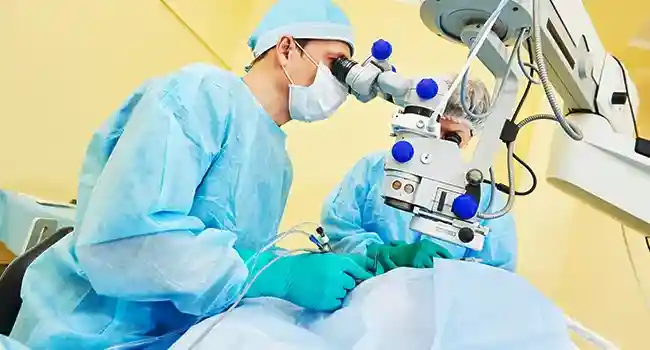
Cataracts cloud vision for millions, making everyday life tougher than it needs to be. While traditional cataract surgery has helped countless people, newer micro-incision techniques are really shifting the landscape. These days, doctors use smaller tools and tinier cuts to tackle this all-too-common eye problem.
Micro-incision cataract surgery lets people heal faster and get back to life sooner—smaller cuts mean less trauma and often no stitches at all. Surgeons use delicate instruments to remove the cloudy lens and pop in a clear artificial one. Because the incision is often under 2 millimeters, it disrupts the eye a lot less.
Most folks notice their vision clearing up within a few days, not weeks. Some are back to their routines almost immediately, maybe even the day after surgery. It’s honestly made cataract treatment way less of a hassle, especially for busy people or anyone juggling family and work.
Modern Cataract Treatment With Micro-Incision Surgery: Faster Healing, Less Downtime
This micro-incision approach is a real leap forward in eye care. Patients bounce back quicker and usually feel less discomfort. It’s not just easier on the eyes—it feels less daunting for most people, too.
What Is Micro-Incision Cataract Surgery?
Instead of the old-school 3 millimeter cuts, surgeons now make tiny openings just 1.8 to 2.2 millimeters wide to remove the cloudy lens and fit in the new one.
These little incisions usually heal up on their own, no stitches needed. Surgeons rely on ultrasound (phacoemulsification) to break up the cloudy lens before taking it out. The whole thing takes about 15-30 minutes. Patients stay awake but get numbing drops, so it’s pretty much painless—at least, that’s what most people say.
Since the entry point is so small, the eye keeps its natural shape better as it heals.
Trusted Clinics Offering Cataract Treatment Across Singapore
Trusted clinics offering cataract treatment in Singapore are known for their advanced care and quick access. Most centers rely on micro-incision surgery, which heals faster and causes less discomfort. Appointments are usually available within a couple of weeks, and costs range from about $3,000 to $5,000 per eye, depending on the lens chosen.
Surgeons trained in the latest techniques and equipped with cutting-edge tools ensure precise outcomes, with major centers like the Singapore National Eye Centre performing thousands of successful surgeries every year.
How Micro-Incision Techniques Improve Healing Time
With smaller incisions, healing speeds up. Most people are fully healed in a week or two, compared to a month or more with older surgery methods.
Eye pressure gets back to normal faster, which lowers the risk of complications and means you can get back to daily life sooner. Recovery just feels easier. Lots of people are back at work after a couple of days, not a week.
Infection rates are super low—under 0.1% with these tiny incisions. Vision often starts improving the very next day. That’s pretty amazing, honestly.
Key Benefits Compared to Traditional Cataract Surgery
Micro-incision surgery doesn’t cause as much astigmatism since the smaller cuts help the eye keep its shape, so vision outcomes are more predictable.
Most people only need one follow-up after a week, then another after a month. That’s it. Surgeons use less energy inside the eye, which means less inflammation and a faster return to clear vision.
Eye drops are usually only needed for a couple of weeks, not a month or more. And those smaller cuts make surgery safer, even for folks with tricky conditions like glaucoma or thin corneas.
Latest Advancements in Micro-Incision Technology
Laser-assisted micro-incision surgery is shaking up cataract treatment lately. Surgeons use lasers to make incredibly precise cuts and break up cataracts before taking them out. It’s honestly impressive how much more control they have now.
There’s also a new wave of lens designs made just for these tiny incisions. They’re foldable, so they slip right through the smallest openings and then unfold perfectly inside the eye. That part always sounds a bit futuristic to me.
Doctors can now use improved surgical tools to work through incisions as small as 1.4 millimeters. These tiny cuts heal so fast, it’s almost hard to believe.
With computer-guided systems in the mix, surgeons get real-time help to keep everything lined up exactly right. This kind of technology is making the whole process even safer and more accurate.
Maybe the most intriguing development? Some lens implants now release medication right inside the eye after surgery. They deliver anti-inflammatory drugs directly, which can make recovery smoother and quicker. It’s a pretty exciting time for eye care if you ask me.
