


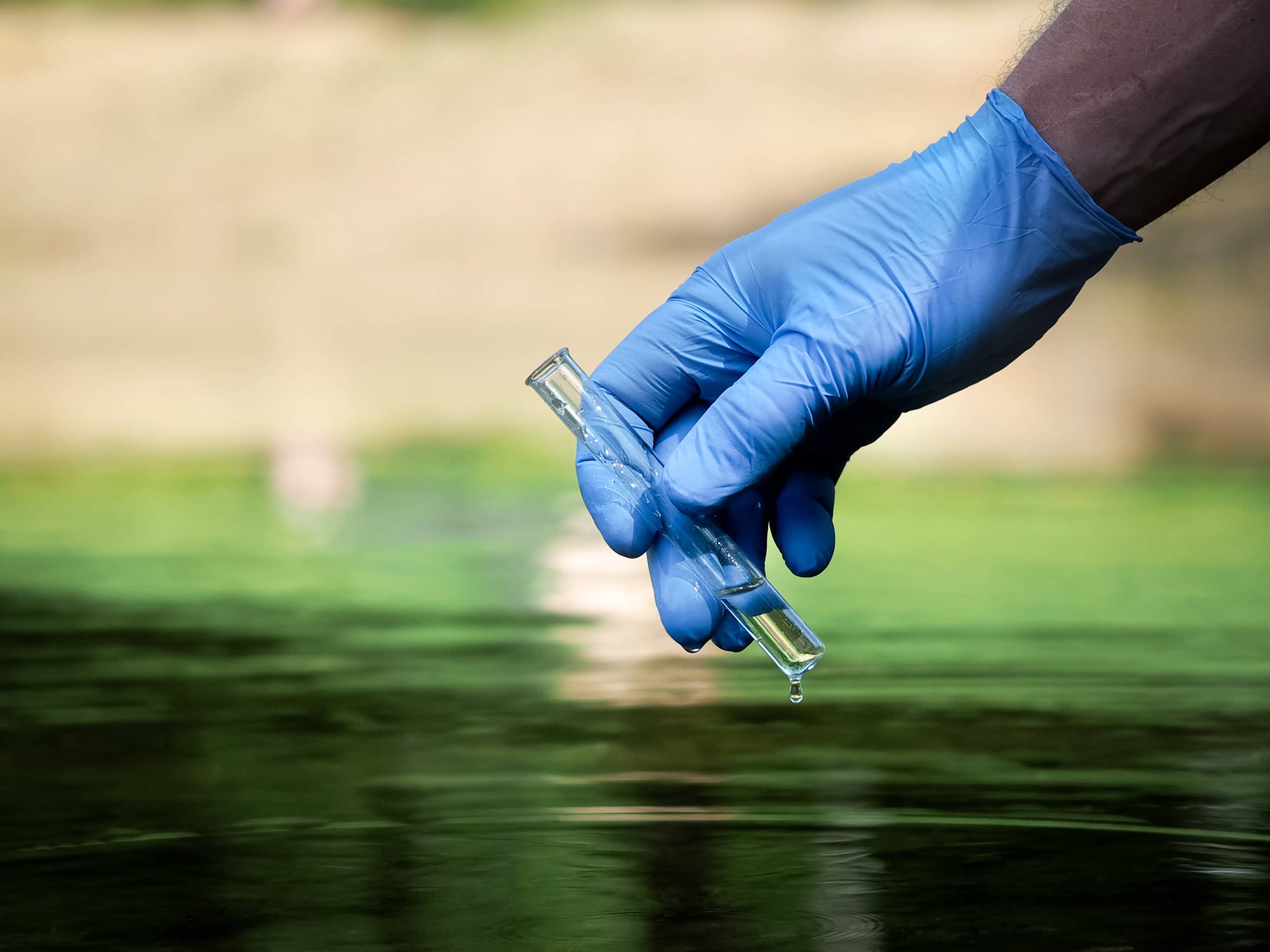
Why Monitoring Water Resources is Essential
Water is one of Earth’s most precious resources, making its careful management essential for sustainable development. Efficient water resource management depends on reliable data about water quality, quantity, and usage. Monitoring helps to address issues such as water scarcity, contamination, and overuse by providing actionable insights for stakeholders.
Environmental researchers and scientists rely on advanced monitoring equipment to measure various parameters, from groundwater levels to pollutant concentrations. Without proper monitoring systems in place, ensuring equitable access to clean water becomes increasingly difficult in a world that demands more accountability.
The Role of Technology in Water Resource Monitoring
Cutting-edge technology has revolutionized water resource monitoring. Traditional methods, such as manual sampling and observation, are time-consuming and less accurate compared to modern solutions. Here are some of the technological advancements making a difference in this field.
1. Remote Sensing and Satellite Imagery
Remote sensing, coupled with satellite imagery, is one of the most effective ways to monitor large-scale water resources, such as rivers, lakes, and oceans. Organizations like NASA and the European Space Agency use their satellites to track water levels, sedimentation, and surface temperatures.
For example, NASA’s Terra satellite collects images that provide real-time data on floods, droughts, and water bodies. This technology allows scientists to detect anomalies in water distribution and better understand the impacts of climate change on global water systems.
2. IoT Sensors for Continuous Monitoring
The Internet of Things (IoT) has introduced sensors capable of transmitting data continuously from remote water bodies. These connected sensors measure various parameters, such as pH levels, salinity, and dissolved oxygen, which are crucial for water quality assessment.
IoT sensors are invaluable for real-time monitoring, enabling researchers to respond quickly to pollution incidents. They are also highly cost-effective, as they reduce the need for manual intervention and site visits.
3. Submersible Pressure Transducers
For groundwater and well monitoring, submersible pressure transducers are among the most reliable tools available. These devices measure water levels and pressure changes with exceptional accuracy, making them ideal for long-term water quantity management.
Submersible pressure transducers are particularly useful for monitoring aquifers, helping researchers track depletion rates and assess the long-term sustainability of groundwater resources. Their durability and precision make these instruments a staple for environmental engineers working on water-intensive projects.
4. AI-Powered Data Analysis
Artificial intelligence (AI) is transforming how data is processed and analyzed in water resource monitoring. AI models can process vast amounts of environmental data, identifying patterns and trends far faster than traditional methods.
For example, predictive AI algorithms can forecast water demand and supply, helping governments allocate resources effectively. Additionally, AI applications can detect leakages in water distribution networks, reducing water waste and saving costs.
5. Autonomous Drones for Aerial Surveys
Drones equipped with water-monitoring sensors are providing new opportunities for precision resource management. These autonomous devices can capture high-resolution imagery and thermal data from hard-to-reach areas such as wetlands or reservoirs.
For instance, drones can be used for mapping flood-prone areas or assessing the health of aquatic ecosystems. They are not only efficient but also minimize risk by eliminating the need for researchers to physically enter potentially dangerous environments.
Applications of High-Tech Water Monitoring
These solutions are already being used in a range of applications, profoundly impacting the way we manage water resources.
- Water Quality Management: Industries and municipalities are deploying IoT-connected sensors to ensure compliance with water quality regulations.
- Agriculture: Submersible pressure transducers monitor irrigation systems and prevent overuse of water in farming practices.
- Disaster Management: During floods or droughts, satellite imagery and drones provide real-time data to aid in effective crisis response.
- Urban Planning: AI enables accurate predictions regarding future water use and supply, informing city and infrastructure planning.
Challenges in Leveraging Technology
Despite the remarkable progress in water monitoring innovations, challenges exist. Funding remains a common obstacle, as high-tech solutions often involve significant upfront costs. Additionally, the complexity of deploying and maintaining these systems, especially in rural or undeveloped locations, can hinder their widespread use.
Furthermore, large-scale data collection poses privacy and security concerns, particularly when it involves IoT and AI systems. Addressing these challenges will be critical for ensuring the long-term success of technology-driven water management initiatives.
The Future of Water Monitoring
Technological advancements will continue to redefine water resource monitoring. With the integration of machine learning, blockchain for secure data storage, and bio-inspired sensors, the future of water management holds immense promise. The combination of these tools will make monitoring more efficient, accurate, and accessible, helping protect water resources for future generations.
Protecting Water Resources Starts with Smart Monitoring
The preservation of Earth’s water resources is one of the most pressing challenges of our time. High-tech solutions, from remote sensing to submersible pressure transducers, are equipping researchers and engineers with the tools they need to gather accurate, actionable insights.
By adopting these technologies, environmental scientists can study water systems in greater detail, leading to more effective resource management strategies. Investing in smart water monitoring today is an investment in a sustainable future.
If you’re involved in water resource management and want to explore advanced tools, now is the time to take action. Start by equipping your team with innovative solutions to monitor and protect water systems effectively.
To enhance the search engine optimization (SEO) of your article and improve backlinks, here are four keywords related to the content:
