


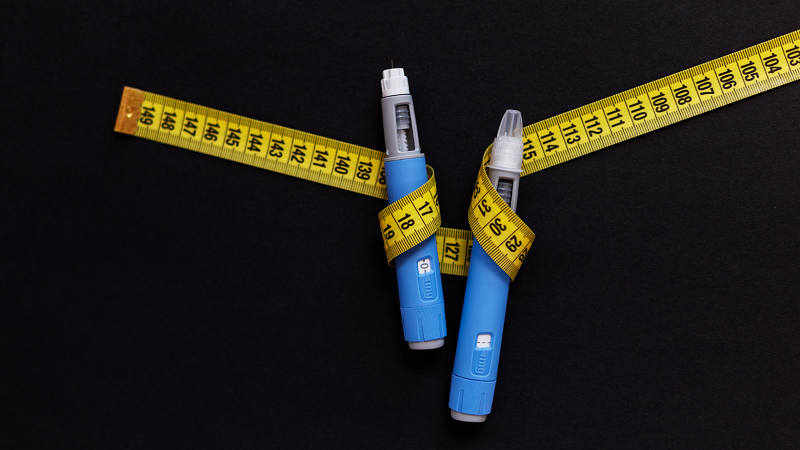
Mounjaro weight loss injections are now available in Aberdeen, offering a new option for those seeking to manage their weight effectively. These injections contain tirzepatide, a medication designed to help control blood sugar levels and reduce appetite.
Mounjaro has shown promising results in clinical trials, with patients experiencing significant weight loss compared to other treatments. The availability of this medication in Aberdeen provides local residents with access to a potentially powerful tool for weight management.
Individuals considering Mounjaro should consult with their healthcare provider to determine if it’s suitable for their needs. As with any medical treatment, it’s essential to understand the potential benefits and risks before starting a new weight loss regimen.
Understanding Mounjaro and Its Mechanism of Action
Mounjaro, the brand name for tirzepatide, is a novel injectable medication for weight loss and diabetes management. It targets two key hormones involved in appetite regulation and blood sugar control.
Composition and Function
Mounjaro contains tirzepatide, a dual GIP and GLP-1 receptor agonist. This synthetic molecule mimics the effects of two naturally occurring hormones in the body: glucose-dependent insulinotropic polypeptide (GIP) and glucagon-like peptide-1 (GLP-1).
Tirzepatide is administered via subcutaneous injection once weekly. The medication works by binding to and activating GIP and GLP-1 receptors throughout the body, particularly in the pancreas, brain, and gastrointestinal tract.
GLP-1 and GIP Receptor Agonists in Weight Regulation
GLP-1 and GIP play crucial roles in appetite control and metabolism. GLP-1 receptor activation slows gastric emptying, increases feelings of fullness, and reduces food intake. It also enhances insulin secretion and lowers blood glucose levels.
GIP receptor stimulation complements these effects by further improving insulin sensitivity and reducing inflammation. The dual action of tirzepatide on both GLP-1 and GIP receptors leads to enhanced weight loss compared to targeting GLP-1 alone.
Clinical trials have shown significant reductions in body weight and improvements in glycemic control with Mounjaro treatment.
Comparison With Other Weight Loss Medications
Mounjaro’s unique dual-receptor mechanism sets it apart from other weight loss medications. Compared to semaglutide (Wegovy), which only targets GLP-1 receptors, Mounjaro has demonstrated superior weight loss outcomes in clinical studies.
In head-to-head trials, patients treated with Mounjaro achieved greater weight loss and improved metabolic parameters than those on semaglutide or other GLP-1 receptor agonists.
Mounjaro’s efficacy extends beyond weight loss, offering additional benefits for patients with type 2 diabetes by improving blood sugar control and reducing cardiovascular risk factors.
Practical Information for Prospective Users
Mounjaro weight loss injections offer a potential treatment option for eligible individuals in Aberdeen. Users should be aware of key requirements, administration details, possible side effects, and lifestyle factors that can impact results.
Eligibility and BMI Requirements
Mounjaro is typically prescribed for adults with a BMI of 30 or higher (obese) or 27 or higher (overweight) with at least one weight-related comorbidity. These may include high blood pressure, type 2 diabetes, or high cholesterol. A healthcare provider will assess eligibility based on individual health status and medical history.
Patients must be 18 years or older to receive Mounjaro. Pregnant or breastfeeding women are not eligible for this treatment. Those with a personal or family history of medullary thyroid carcinoma or Multiple Endocrine Neoplasia syndrome type 2 should not use Mounjaro.
Dosage and Administration
Mounjaro is administered via subcutaneous injection once weekly. The starting dose is typically 2.5 mg for the first 4 weeks. Dosage may be increased in 2.5 mg increments every 4 weeks based on clinical response and tolerability.
The maximum recommended dose is 15 mg once weekly. Patients use a pre-filled injection pen to self-administer Mounjaro at home. Common injection sites include the abdomen, thigh, or upper arm.
If a dose is missed, patients should take it as soon as possible within 4 days of the scheduled dose. If more than 4 days have passed, skip the missed dose and resume the regular dosing schedule.
Potential Side Effects and Management
Common side effects of Mounjaro include:
- Nausea
- Vomiting
- Diarrhea
- Constipation
- Abdominal pain
- Headache
These effects are often mild to moderate and tend to decrease over time. To manage nausea, patients can try eating smaller, more frequent meals and avoiding fatty or spicy foods.
Staying hydrated and increasing fiber intake may help with constipation. If side effects persist or worsen, patients should consult their healthcare provider.
Serious side effects are rare but may include pancreatitis or gallbladder problems. Patients should seek immediate medical attention if they experience severe abdominal pain or other concerning symptoms.
Lifestyle Considerations for Effective Results
Mounjaro works best when combined with lifestyle changes. A reduced-calorie diet and regular physical activity are essential for maximizing weight loss results.
Patients should aim for a daily calorie deficit of 500-750 calories. This can be achieved through portion control, choosing nutrient-dense foods, and limiting high-calorie snacks and beverages.
Regular exercise, such as 150 minutes of moderate-intensity aerobic activity per week, can support weight loss efforts. Activities like brisk walking, swimming, or cycling are good options.
Mounjaro may increase feelings of fullness, making it easier to adhere to a reduced-calorie diet. Patients should listen to their body’s hunger and fullness cues and eat mindfully.
Regular check-ins with healthcare providers can help monitor progress and adjust treatment plans as needed. Tracking weight, measurements, and health markers can provide motivation and insight into individual responses to Mounjaro.
