


Hiring the right snow removal service is essential for homeowners and businesses that want to stay safe and operational during the winter months. Whether you’re dealing with occasional dustings or intense storms, knowing what to ask before signing a contract can save time, money, and stress. In a state like New Jersey, where snowfall can vary drastically by region, it’s important to find a provider that understands local conditions and regulations.
The snow season can be unpredictable, which is why preparation matters. In New Jersey, snow removal services aren’t just about clearing your driveway. It also involves safety, timing, legal compliance, and sometimes even managing snow storage. Asking the right questions upfront helps ensure the company you hire is a good fit for your property and your expectations.
1. What Types of Properties Do You Service?
Not all snow removal companies are equipped to handle every type of property. Some may specialize in residential driveways, while others focus on large commercial lots or industrial facilities. Ask whether the company has experience with properties like yours. If you manage a business, you’ll want to confirm they understand the traffic patterns, loading zones, and safety requirements involved.
2. Do You Offer Seasonal Contracts or Per-Service Rates?
Snow removal pricing structures can vary, so it’s helpful to understand how the company charges. Some companies offer seasonal contracts with a flat fee, which can provide peace of mind if you expect frequent snowfall. Others charge per visit or per inch of snow. Discuss which option works best for your needs and ask for a breakdown of what each plan includes.
3. What Equipment and Materials Do You Use?
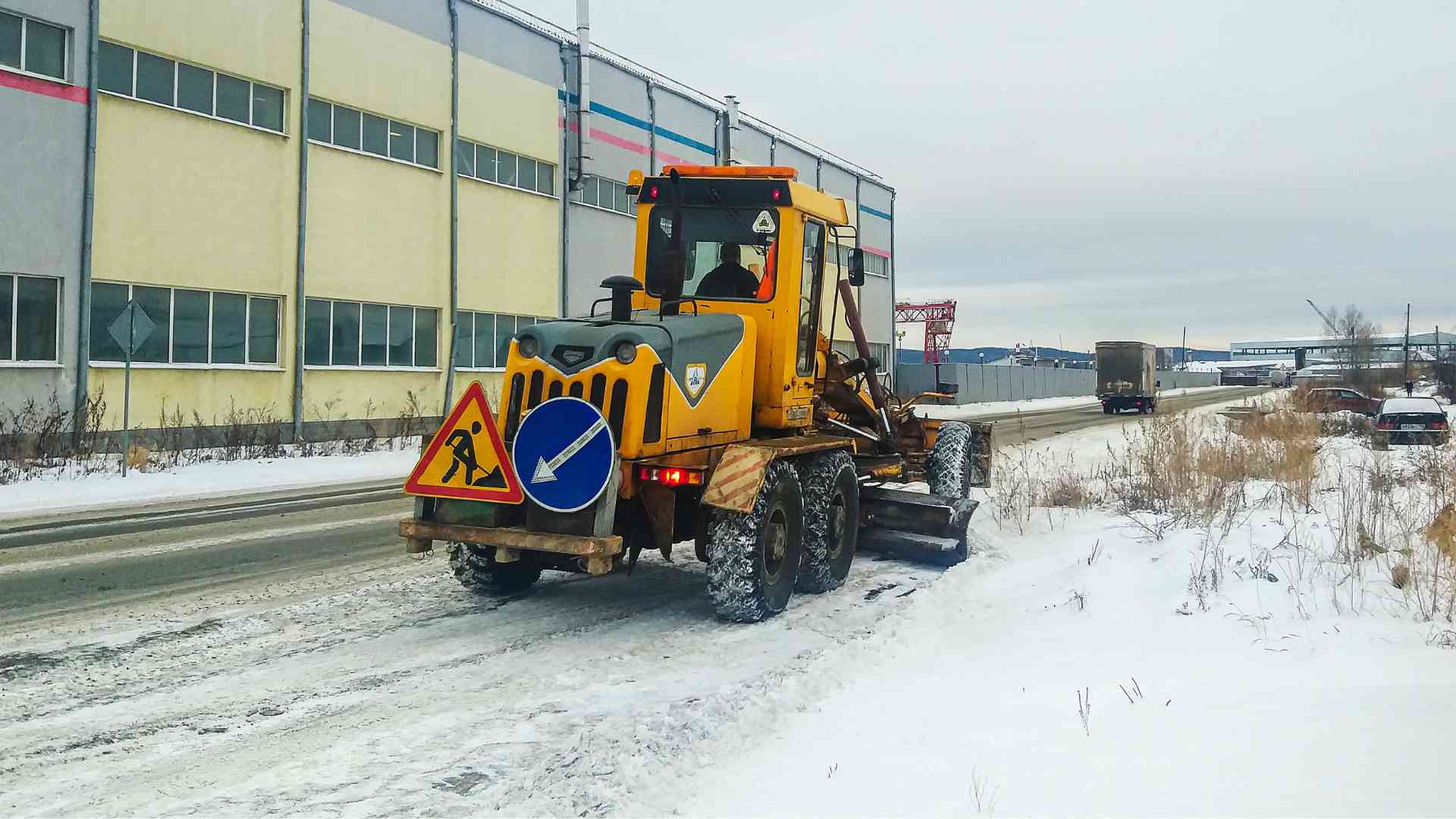
It’s important to know what kind of equipment will be used on your property. For example, heavy plows may damage smaller driveways or decorative surfaces. Inquire about the materials used for de-icing, as certain chemicals may be harmful to pets, plants, or concrete. Companies that invest in high-quality, well-maintained equipment are more likely to provide reliable service throughout the New Jersey winter.
4. How Do You Prioritize Service During Heavy Storms?
During major snow events, companies need to prioritize where and when they provide service. Ask how they manage their schedule and whether they prioritize hospitals, schools, or commercial clients over residential properties. Understanding their response plan for large storms gives you a better sense of when you can expect service. If you’re in a high-snowfall area of New Jersey, this question becomes even more critical.
5. Are You Properly Licensed and Insured?
Always confirm that the snow removal provider is licensed and carries liability insurance. This protects both parties in the event of property damage or injury during the job. Liability coverage, workers’ compensation, and vehicle insurance are key indicators of a professional company. In New Jersey, regulations can vary by township, so a reputable provider should know and comply with all local requirements.
6. What Happens If There’s a Problem With the Service?
Even with careful planning, unexpected situations can happen during the winter season. In New Jersey, snow removal companies communicate and resolve concerns, such as scheduling changes or minor service adjustments. There should be a dedicated customer service line you can contact if needed. They should follow up to ensure your property is fully cleared. A provider’s commitment to responsive support reflects their professionalism and reliability.
Choosing a snow removal service isn’t a decision to take lightly, especially when winter weather hits hard. By asking the right questions and paying attention to the answers, you can feel confident in your choice. Every part of New Jersey has its own challenges, from coastal slush to icy northern roads. Make sure your snow removal partner understands your area and is ready to meet your specific needs. Snow might be inevitable, but the stress of managing it doesn’t have to be. Start the conversation early, compare your options, and be thorough. The right questions now can make all the difference once the flakes start to fall.
