


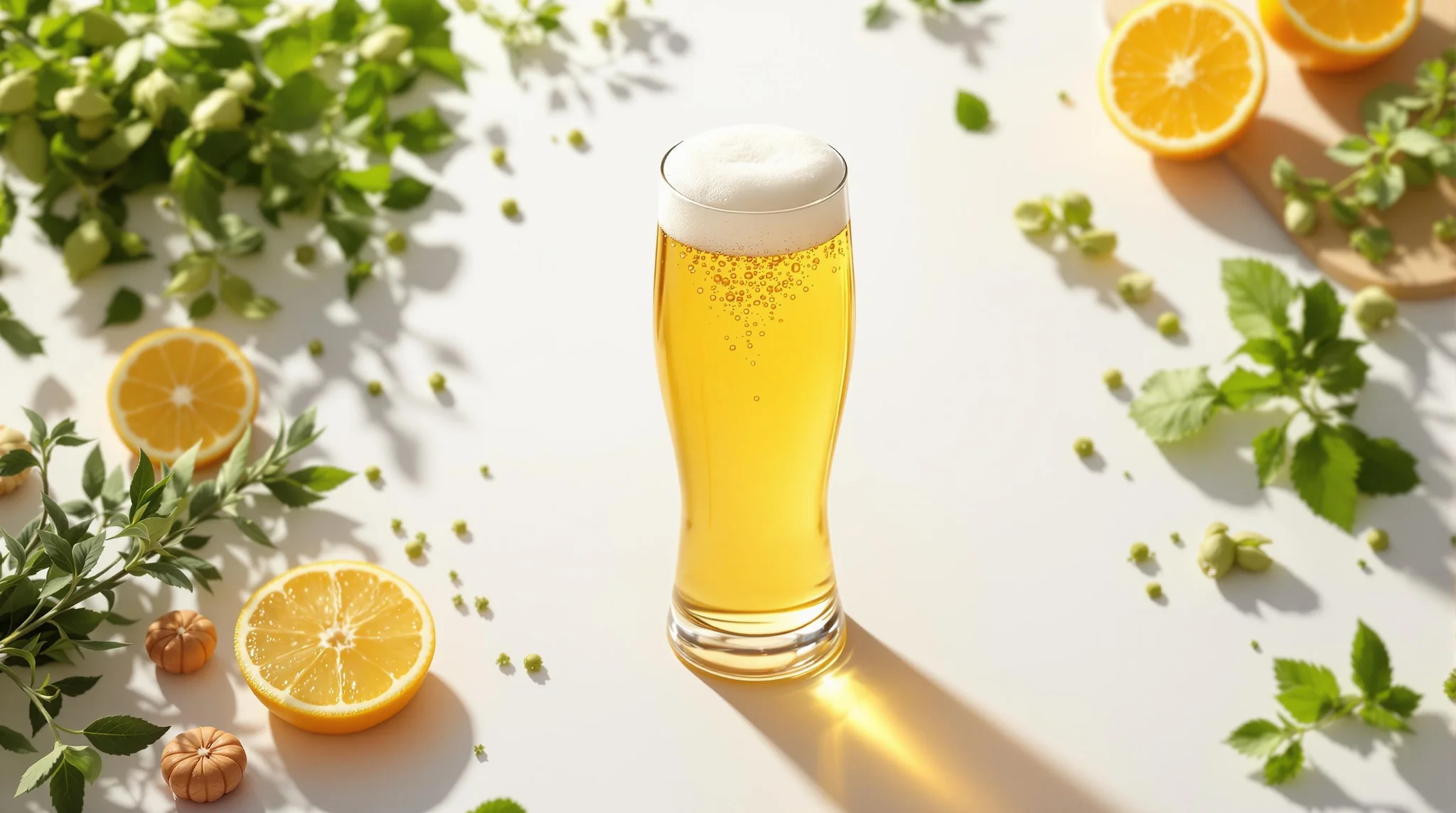
Beer is always more than a beverage—it’s a culture. From the careful tending of hops to titles and labels that bring entire stories to mind with a glance, beer has its deep-seated roots. Today, the future of beer culture is being coupled with something new: sound. More specifically, music from machines.
In the last few years, breweries have explored beyond the taste profiles. They’re now embracing technology, art, and sensory experiences that bridge the brewer and consumer in a more intimate way. You’ve seen beer can art move from boring to gallery-worthy. Now imagine stepping into a taproom where the music you listen to isn’t on Spotify or from a local playlist—but is generated by an artificial intelligence, designed to harmonize with the flavor, mood, and even temperature of the beer in your hand.
Artificial intelligence is not just changing the way we brew; it’s also altering the way we drink what we brew. AI music is being used by some cutting-edge breweries and beer festivals to generate unique soundscapes based on beer styles. A dark, rich porter might be paired with slow, ambient melodies created in real-time, while a light, citrusy IPA might be accompanied with fast, lively electro-acoustic music.
Technologists and scientists have learned that we may be subtly influenced in our ability to taste by certain frequencies, harmonies, and rhythms. Simply put: what we hear affects how we taste. AI enters the scene to compose music that is specific not just to genre, but to intent—allowing brewers to shape the mood of their drinkers even before they drink.
This is a gimmick, and yet it’s much more than that. Already in Seattle and Portland, trend-setting breweries are hosting “flavor concerts” and AI-enhanced soundtracks on release nights for limited-time beers. No rave parties in the brewhouse here—these are sensory experiences that engage individuals in new and memorable ways with one another and with the beer.
Local Innovation on Tap
Washington State has led the way in brewing innovation for decades. Home to more than 400 craft breweries and years of hop-farming tradition, it’s not surprising that area brewers are continually on the hunt for what comes next. And increasingly, it’s not all about the ingredients—it’s the entire experience.
Some local breweries have already incorporated storytelling in the form of QR codes on cans, which direct consumers to specially curated AI music for that specific brew. Imagine opening a new seasonal ale and scanning the can, only to be met with a personalized soundtrack that builds as the flavor hits your tongue.
This level of intentionality presents new opportunities for big and small breweries alike. For the small-batch brewer who wants to stand out, offering a multisensory experience could be the key. For beer lovers, it’s the chance to become more engaged with the drink on a deeper level—eliminating the separation between consumption and production.
What This Means for the Future of Beer
With technology ever more ubiquitous in day-to-day life, the “just a good beer” expectation has to shift. Consumers are more engaged, curious, and experience-driven than they’ve ever been. AI-scored music, AR labels, flavor-profile playlists—these are all science fiction-sounding but already starting to define the cutting-edge potential of craft beer.
Washington’s brewing community has always been one that doesn’t duck a challenge. From the technology of hops to sustainability, and now sensory design, it looks like the brewing revolution of tomorrow might not involve what’s sitting in the tank—but how you feel when you’re drinking.
The next time you pour, notice not just what you’re tasting, but what you’re hearing.
