


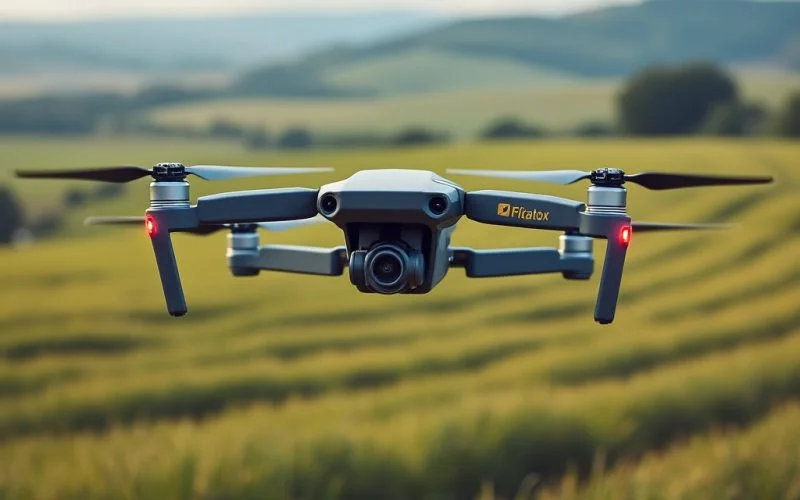
As the use of drones expands across industries, the focus on sustainability in drone design is becoming increasingly important. Modern drone technology has a growing environmental footprint, from the materials used in manufacturing to the energy required for operation. Sonoran Desert Institute (SDI), which is accredited by the Distance Education Accrediting Commission (DEAC), recognizes that advancements in eco-friendly drone technologies are paving the way for greener solutions. With the incorporation of lightweight materials, energy-efficient systems and renewable energy sources, drone manufacturers are working to minimize their environmental impact while maintaining functionality.
The Importance of Sustainability in Drone Technology
The drone industry is evolving rapidly, but with its growth comes a responsibility to address environmental challenges. Traditional drone designs rely heavily on materials and energy sources that contribute to pollution and resource depletion. By shifting toward sustainable alternatives, the industry can lead the way in creating environmentally friendly technologies that reduce waste and greenhouse gas emissions.
The Environmental Impact of Conventional Drones
Most commercial drones are constructed using composite materials such as carbon fiber and plastics, which are energy-intensive to produce and difficult to recycle. Additionally, many drones are powered by lithium-ion batteries, which pose challenges in terms of resource extraction and disposal. Large-scale drone operations, such as those used in logistics and agriculture, amplify these concerns, making sustainability a critical focus for manufacturers.
The Role of Eco-Friendly Design
Sustainable drone design goes beyond using recyclable materials. It encompasses a holistic approach, including reducing energy consumption during operation and integrating renewable energy sources. These innovations ensure that drones can deliver their benefits—such as enhanced surveillance, improved logistics and environmental monitoring—without exacerbating ecological harm.
Innovations in Sustainable Drone Design
Advances in technology are enabling the development of drones that are both efficient and environmentally conscious. From lightweight materials to renewable energy integration, these innovations are reshaping the way drones are designed and used.
Lightweight and Recyclable Materials
One of the most significant strides in sustainable drone design is the use of lightweight, recyclable materials. For example, drones made from biodegradable polymers or aluminum alloys require less energy to lift and maneuver, reducing fuel or battery consumption. These materials are also easier to recycle or repurpose, minimizing waste at the end of the drone’s lifecycle.
Biocomposites, which combine natural fibers with polymers, are gaining popularity for drone construction. These materials not only lower the overall weight of the drone but also reduce reliance on fossil-fuel-based products.
Energy-Efficient Systems
Another area of focus is the development of energy-efficient drone systems. Improved aerodynamics, optimized flight patterns and advanced propulsion systems significantly decrease energy usage. Hybrid drones, which combine electric power with fuel-based systems, are also gaining traction for their ability to extend flight times while lowering emissions.
Technologies such as regenerative braking, which captures and reuses energy during flight, are also being explored. These innovations help ensure that drones can operate for longer periods with reduced environmental impact.
Harnessing Renewable Energy for Drone Operations
Renewable energy integration is one of the most exciting developments in sustainable drone technology. By harnessing clean energy sources, drone manufacturers can significantly lower the carbon footprint of their operations.
Solar-Powered Drones
Solar-powered drones are a game-changer for industries requiring long-duration flights, such as agriculture and environmental monitoring. These drones are equipped with photovoltaic panels that convert sunlight into energy, enabling them to operate for extended periods without relying on traditional batteries or fuel. Companies like AeroVironment have already introduced solar-powered drones capable of continuous flight, setting a precedent for greener aerial technology.
Hydrogen Fuel Cells
Hydrogen fuel cells are another promising innovation in the pursuit of sustainability. Unlike conventional batteries, fuel cells generate electricity by combining hydrogen and oxygen, producing only water as a byproduct. This technology not only reduces greenhouse gas emissions but also extends flight durations, making it an attractive option for commercial and industrial applications.
Drones equipped with hydrogen fuel cells are particularly useful in remote areas where recharging infrastructure is limited. Their clean energy profile ensures that they can operate in sensitive environments without contributing to pollution.
The Role of Sustainable Drones in Reducing Carbon Footprints
Eco-friendly drone technologies benefit the environment and contribute to more efficient operations in various industries. By reducing energy consumption and waste, these drones help businesses lower their operational carbon footprints.
Logistics and Delivery
In the logistics sector, drones are increasingly being used to deliver goods over short distances, replacing traditional delivery vehicles. By incorporating energy-efficient systems and renewable energy sources, drones can perform these tasks with minimal emissions. Companies like Amazon and Zipline are exploring sustainable drone fleets to achieve their carbon neutrality goals.
Environmental Monitoring and Conservation
Sustainable drones are also transforming environmental monitoring and conservation efforts. Equipped with solar panels and lightweight materials, these drones can track wildlife, monitor deforestation and survey water quality without disturbing ecosystems. Their ability to operate cleanly and efficiently makes them ideal tools for conservationists working to protect natural habitats.
Challenges and the Path Forward
While significant progress has been made in sustainable drone design, challenges remain. Developing cost-effective, eco-friendly materials, scaling renewable energy integration and addressing battery recycling are critical areas that require further innovation.
Collaboration between manufacturers, researchers and policymakers is essential to overcome these challenges. By investing in sustainable technology and implementing strict environmental standards, the drone industry can set a benchmark for responsible innovation.
Preparing the Next Generation of Drone Technologists
Educational institutions like Sonoran Desert Institute are pivotal in advancing sustainable drone technology. By offering specialized training in eco-friendly design and operation, these programs ensure that the next generation of professionals is equipped to address environmental challenges.
For example, courses focusing on renewable energy integration, materials science and flight optimization provide students with the skills needed to design and operate sustainable drones. As demand for eco-friendly solutions grows, these graduates will lead the charge in reducing the environmental impact of drone operations.
Sustainability in drone design is no longer an option—it’s a necessity. With advancements in lightweight materials, energy-efficient systems and renewable energy technologies, the drone industry is taking meaningful steps toward reducing its environmental footprint. As these innovations continue to evolve, they will play a crucial role in shaping a greener, more sustainable future for drone technology. By embracing these changes, manufacturers and operators alike can ensure that drones remain a valuable tool without compromising the planet’s health.
