


Subsidence is a condition where the ground underneath a building sinks or settles unevenly, causing the property’s foundation to move. This can lead to extensive damage if left unaddressed. There are several warning signs that homeowners should look out for to catch subsidence early. Being aware of these signs can help owners act quickly to prevent further damage.
Cracks in Walls and Floors
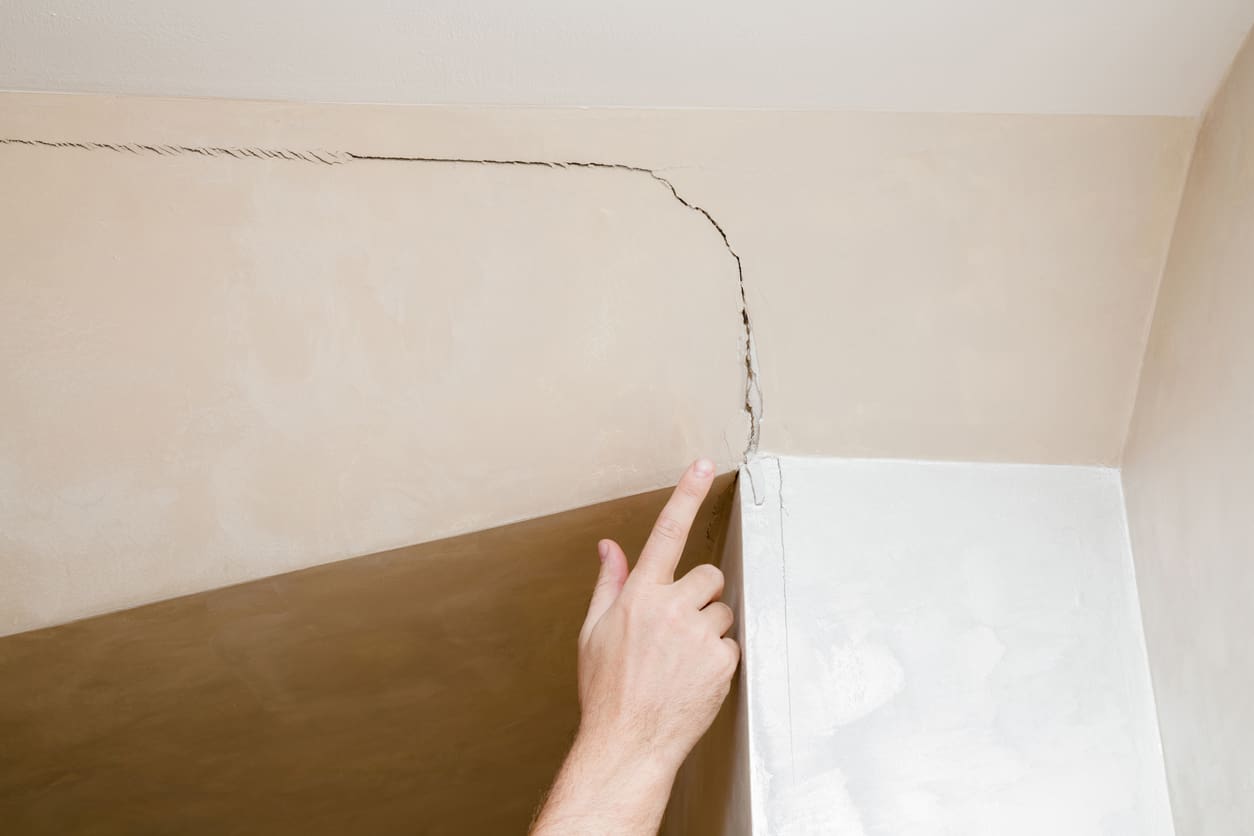
One of the most common indicators of subsidence is visible cracks in the property’s walls, floors, and ceilings. Cracks tend to start small but can expand over time as the foundation continues to subside. Look for cracks both inside and outside the home, especially above windows and doors. Jagged, diagonal cracks are particularly problematic as they indicate the wall or floor is beginning to sheer. Always monitor cracks to see if they are increasing in size.
Doors and Windows Sticking
Doors and windows suddenly becoming stuck or difficult to open can signal subsidence. As the property settles, door and window frames can become misaligned, causing them to jam. Notice if you have to use more force to open or close doors and windows compared to normal. Drafty gaps around frames are another warning sign.
Changes in Garden
Take a close look at the landscaping around the home. Subsidence can cause visible changes like slopes, depressions, or deep cracks in the garden, yard, patio, or driveway. Garden walls leaning or collapsing, sunken paving slabs, and drainage issues can also indicate subsidence. Nearby trees moving or showing damage at the roots may be a contributor.
Interior Damage
Inside the home, subsidence can lead to problems like separated cornices, bulging floorboards, sloping floors, and distorted door frames. Gaps may appear between walls and the ceiling or skirting boards. Staircases might show signs of movement like uneven steps. Radially patterned cracks in ceiling plaster can be an indicator.
Plumbing and Electrical Issues
Pipes changing position due to subsidence can cause leaks or burst pipes. Electrical wiring being disrupted can lead to power issues. Fixtures like sinks, toilets, and baths becoming loose or unlevel are other possible signs. Problems with drains, septic tanks, and underground cables may also develop.
Detecting Subsidence Early is Key
The sooner homeowners spot the signs of subsidence, the better. Early detection gives the best chance to identify the root cause and take action before major structural damage occurs.
Buyer Beware
Subsidence is a major and potentially expensive issue, which is why you should invest in an RICS home buyers report when purchasing a home. A home buyer report or RICS survey will highlight subsidence. You can use this information to renegotiate the price or walk away from the purchase. Ultimately, it will save you money in the long run.
Homeowners who notice any potential indicators should contact a structural engineer to inspect the property and determine if subsidence is occurring. The engineer can then advise on necessary repairs and preventative measures. Catching subsidence quickly protects the home and avoids much more costly repairs down the line. Being vigilant for the tell-tale signs can make a big difference.
