


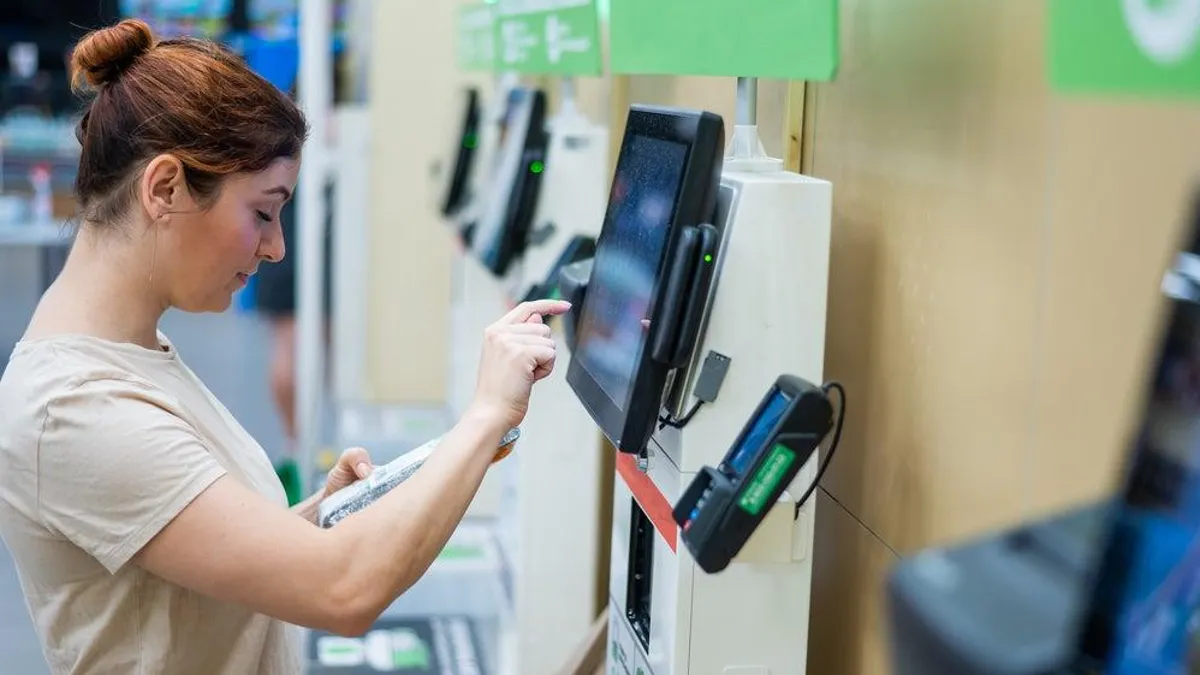
Self-checkout machines have become a hallmark of modern retail experiences, offering efficiency and convenience at the register. However, as the retail landscape evolves, there’s growing speculation about their future in stores like Dollar Tree—one of the nation’s beloved discount retailers. Could these machines ultimately disappear, and what would this mean for both the business and its customers?
This article dives into the potential future of self-checkout machines at Dollar Tree, highlighting the benefits they currently bring, possible reasons for their removal, and what this could mean for the shopping experience.
The Rise of Self-Checkout Machines
Self-checkout machines revolutionized retail when they began making their way into stores globally. Known for their ability to reduce wait times, increase productivity, and reduce the dependency on human cashiers, these machines changed how people shop.
At discount retailers, where quick service and low overheads are key, self-checkout machines have served as a valuable asset. These machines seem particularly suited for businesses like Dollar Tree, which prioritize efficiency to provide the lowest costs for customers.
Benefits of Self-Checkout Machines
Before exploring why self-checkout machines might disappear, it’s important to understand their value. Currently, self-checkout provides several advantages:
Faster Transactions: Shoppers are empowered to scan their items themselves, reducing wait times during peak hours.
Cost Savings for Retailers: By minimizing the need for multiple cashiers, self-checkout brings operational savings while meeting customer expectations for convenience.
Flexibility for Shoppers: Some customers prefer the independence of self-checkout, especially when buying a few quick items or when pressed for time.
Streamlined Store Layouts: The compact design of self-checkout machines allows retailers to optimize store spaces for other purposes, like displaying more products.
Self-checkouts also align with changing customer preferences. Many tech-savvy shoppers and younger demographics value innovations that provide smoother, quicker shopping experiences.
Why Could Self-Checkout Machines Disappear?
Although self-checkout systems bring numerous benefits, they’re not without drawbacks. Below are some reasons that could lead to the removal of self-checkout machines in the future:
- Rising Costs of Maintenance and Updates
While self-checkout may reduce labor costs, maintaining this technology can be expensive. Routine servicing, software updates, and protecting against system failures all require continual investment. For retailers that operate on tight margins, this could potentially become a financial burden.
Additionally, as technology evolves over time, there could be a need for hardware upgrades to match consumer expectations, further eating into maintenance budgets.
- Potential for Theft
Self-checkout systems, while efficient, often face challenges like shrinkage, a retail term for product loss due to theft or human error. Some shoppers intentionally exploit the system (such as under-scanning items or scanning cheaper products) to save money. This risk challenges retailers that pride themselves on affordability. Removing these machines might ultimately help prevent such losses.
- Customer Frustration
Not all customers are fans of self-checkout. Shoppers unfamiliar with the machines may feel frustrated or overwhelmed, leading to poor experiences. Errors, such as incorrect scans or item weight misreading, often require a staff member to step in, negating the convenience that self-checkout is supposed to provide. For some customers, a traditional cashier experience feels smoother and less stressful.
- A Push Toward Personal Service
The retail sector is increasingly recognizing the value of human connection in shopping, even in the age of automation. From a consumer’s perspective, cashier interaction sometimes provides a richer, more personalized shopping trip. For brands striving to cultivate loyalty and community, reintroducing personal service may lead to stronger customer relationships.
- Changing Shopping Trends
Consumer shopping habits are constantly evolving. Some trends point toward alternatives like cashier-less stores or mobile payment systems, such as in-app convenience checkout. These systems may replace self-checkout altogether. If such methods prove simpler and reduce costs for both customers and businesses, the shift could render traditional self-checkout systems obsolete.
Advantages of Transitioning Away from Self-Checkout
If Dollar Tree were to phase out self-checkout, what would it gain? There are several potential benefits to focusing on alternatives:
Enhanced Customer Service
Removing self-checkout could free up resources to hire and train more staff, allowing stores to provide a more personalized shopping experience. These employees could assist customers with finding items, answering questions, and offering a human touch that strengthens brand loyalty.
Reduced Technical Failures
Eliminating self-checkout machines means fewer opportunities for technical breakdowns. This can lead to a more seamless shopping experience where customers don’t have to deal with machine malfunctions or wait for technician support.
Improved Security
Without self-checkout systems, Dollar Tree might experience less shrinkage because trained employees actively monitor transactions. This could also foster a more secure shopping environment, reducing store losses.
Community-Focused Workplaces
Transitioning from automated systems to human cashiers creates job opportunities, strengthening community ties and providing employment to local residents—often a win-win for the business and its community presence.
Could Technology Pave the Way for New Solutions?
The disappearance of self-checkouts doesn’t necessarily mean the end of innovation. Instead, other advanced systems could step in to fill the void, allowing businesses to maintain efficiency without compromising customer satisfaction.
Some emerging alternatives include:
Mobile Checkout Apps – Allowing shoppers to scan and pay for items directly through their phones, bypassing registers entirely.
Cashier-less Store Models – Like some forms of automation, but with built-in systems to track items a customer picks up and charges them automatically.
AI-Powered Assistants – Interactive AI assistants stationed in aisles could help guide customers, answer questions, or streamline their shopping routes.
These technologies could create an entirely new retail model—one that mixes the efficiency of automation with the warmth of human input.
What Would the Future Look Like Without Self-Checkout?
Whatever happens next, one thing is clear—Dollar Tree and its customers are standing at the crossroads of convenience and connection. If self-checkout machines do disappear, they would take with them a certain kind of efficiency. However, customers might gain so much more in return—better service, more human interaction, and a shopping experience tailored to their needs.
Retailers like Dollar Tree will need to carefully weigh the benefits and costs of each system to decide how best to evolve their operations. One thing is certain—innovations will continue to shape and reshape the shopping landscape, addressing both current challenges and future opportunities
