


Estate planning is a critical component of long-term financial security, particularly for real estate investors seeking to pass down wealth efficiently. Ballast Investments, a real estate investment firm managing a $2 billion portfolio, recognizes how tax-deferred exchanges can unlock value for investors by strategically leveraging real estate assets for long-term wealth preservation. Two powerful tools that facilitate this process are 721 exchanges and 1031 exchanges.
These tax-deferred strategies allow investors to transition their real estate holdings efficiently, ensuring long-term financial benefits for heirs without triggering immediate capital gains taxes. By leveraging these exchange mechanisms, investors can maximize wealth preservation and maintain portfolio growth while aligning with their estate planning goals.
Understanding 1031 Exchanges in Estate Planning
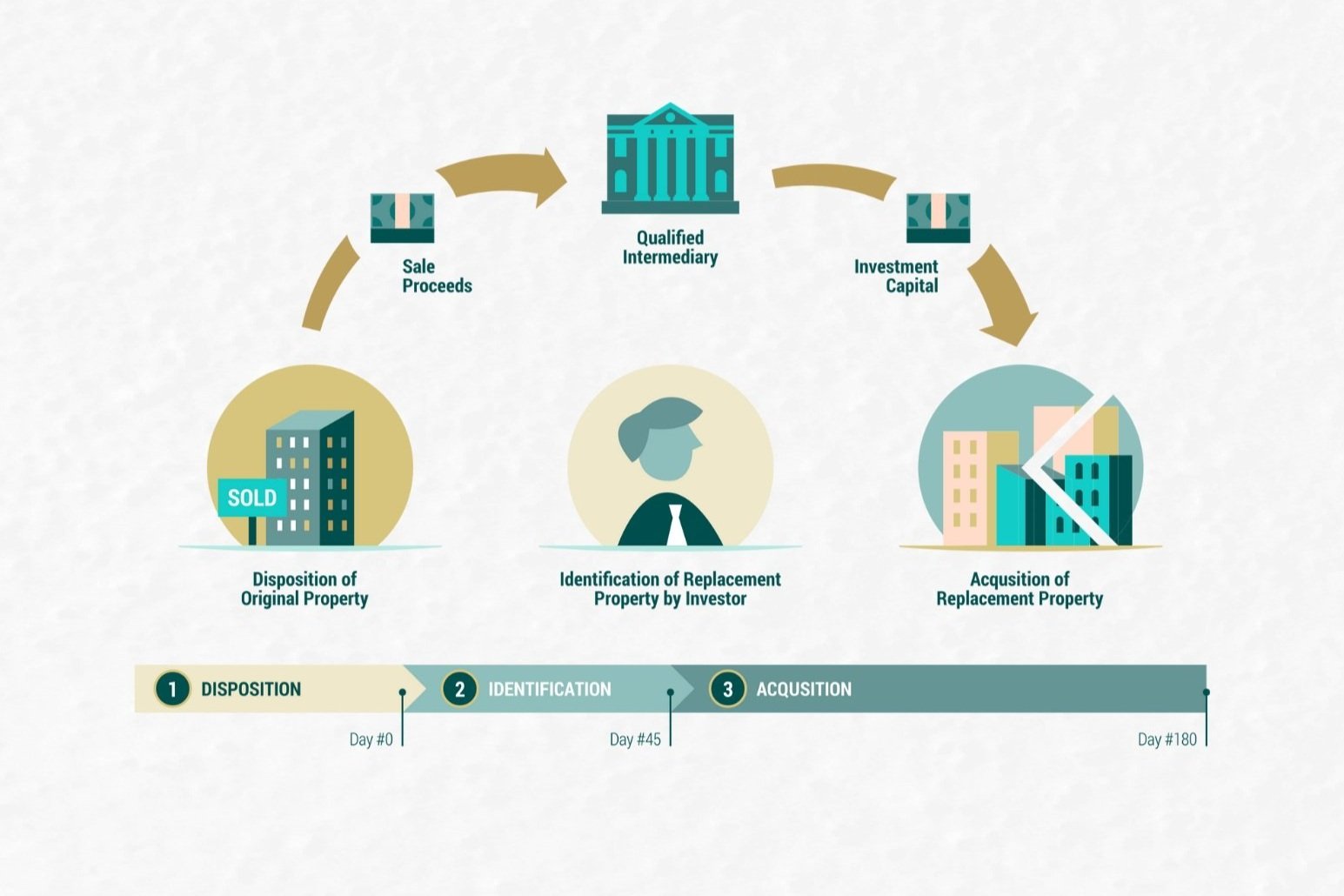
A 1031 exchange, governed by Section 1031 of the Internal Revenue Code, allows investors to defer capital gains taxes by reinvesting proceeds from the sale of an investment property into a like-kind replacement property. This strategy enables investors to grow their real estate portfolios without the burden of immediate tax liabilities.
For estate planning, 1031 exchanges offer several advantages:
- Tax Deferral Until Inheritance: By continually reinvesting through 1031 exchanges, investors can defer capital gains taxes indefinitely. When heirs inherit the property, they receive a step-up in basis, meaning the property’s value resets to its market value at the time of inheritance, eliminating previously deferred capital gains taxes.
- Portfolio Growth and Diversification: Investors can transition into higher-value or income-generating properties, ensuring that future generations inherit an optimized real estate portfolio.
- Asset Protection: 1031 exchanges allow for the consolidation or restructuring of assets in accordance with an investor’s long-term wealth management plan.
The Role of 721 Exchanges in Estate Planning
A 721 exchange, also known as a UPREIT transaction (Umbrella Partnership Real Estate Investment Trust), provides an alternative pathway for estate planning by allowing real estate owners to contribute properties to a Real Estate Investment Trust (REIT) in exchange for Operating Partnership (OP) units. Unlike a 1031 exchange, which requires reinvestment in like-kind properties, a 721 exchange transitions ownership from direct property holdings into a diversified, professionally managed REIT portfolio. This approach offers investors the advantage of deferring capital gains taxes while also gaining access to liquidity and passive income. By exchanging property for OP units, owners can enjoy the benefits of real estate investment without the responsibilities of direct property management.
Additionally, these units can provide estate planning advantages by facilitating smoother wealth transfers and reducing estate tax burdens. Since OP units can often be converted into REIT shares, investors may eventually have the option to liquidate their holdings in a more tax-efficient manner.
A 721 exchange is particularly beneficial for those looking to diversify their investments across multiple properties and asset classes rather than remaining tied to a single asset. However, it’s important to note that once a property is contributed to a REIT through a 721 exchange, it typically cannot be exchanged back into real estate through another tax-deferred transaction. This structure appeals to investors seeking long-term wealth preservation and a steady income stream, especially in comparison to the ongoing risks and management demands of direct real estate ownership.
Key benefits of 721 exchanges for estate planning include:
- Elimination of Property Management Responsibilities: Transitioning from direct ownership to OP units in a REIT allows investors to enjoy passive income while removing the complexities of property management.
- Tax-Deferred Growth: Similar to 1031 exchanges, capital gains taxes are deferred, allowing the investment to continue growing without immediate tax burdens.
- Increased Liquidity for Heirs: Unlike real estate assets that require selling to convert into cash, OP units can be gradually liquidated or converted into publicly traded REIT shares, giving heirs financial flexibility.
Combining 1031 and 721 Exchanges for Estate Planning Success
Many investors utilize a hybrid approach, leveraging both 1031 and 721 exchanges to optimize their estate planning strategy. A common pathway includes:
- Using 1031 Exchanges to Build Wealth: Investors continue reinvesting in like-kind properties to expand and diversify their portfolios while deferring taxes.
- Transitioning to a 721 Exchange for Estate Simplification: When the time is right, real estate assets can be contributed to a REIT through a 721 exchange, reducing direct management responsibilities while securing passive income
- Ensuring a Step-Up in Basis for Heirs: Upon inheritance, any remaining real estate or OP units benefit from a step-up in basis, significantly reducing or eliminating capital gains taxes for heirs.
Ryan Brewer, Ballast Investments Co-Founder and Managing Principal, says, “Investors today have more options than ever to manage tax exposure. Knowing when to leverage a 1031 versus a 721 Exchange can profoundly impact the trajectory of a real estate portfolio.” By understanding the distinct advantages of each exchange, investors can make informed decisions that align with their estate planning goals and ensure long-term financial stability.
Considerations When Using 721 and 1031 Exchanges in Estate Planning
While these strategies offer compelling advantages, investors should carefully evaluate several factors:
- Long-Term Investment Goals: 1031 exchanges work well for those who want to grow their portfolios actively, whereas 721 exchanges provide a smoother transition to passive investing.
- Liquidity Needs: Heirs inheriting real estate through a 1031 exchange may face liquidity challenges, whereas OP units from a 721 exchange offer more flexibility.
- Estate Tax Implications: Proper structuring with legal and financial advisors ensures that estate taxes are minimized while maximizing wealth preservation.
721 and 1031 exchanges serve as essential estate planning tools for real estate investors looking to pass down wealth efficiently while minimizing tax liabilities. A 1031 exchange facilitates tax-deferred portfolio growth, while a 721 exchange transitions investments into a professionally managed REIT for long-term passive income. By strategically integrating both strategies, investors can safeguard their financial legacies, ensuring that future generations benefit from tax-efficient, well-structured estate plans.
As estate planning complexities evolve, consulting with financial and legal experts ensures that investors make informed decisions that align with their long-term wealth preservation goals. By leveraging 721 and 1031 exchanges, investors can build a lasting financial legacy while optimizing tax efficiency for themselves and their heirs.
