


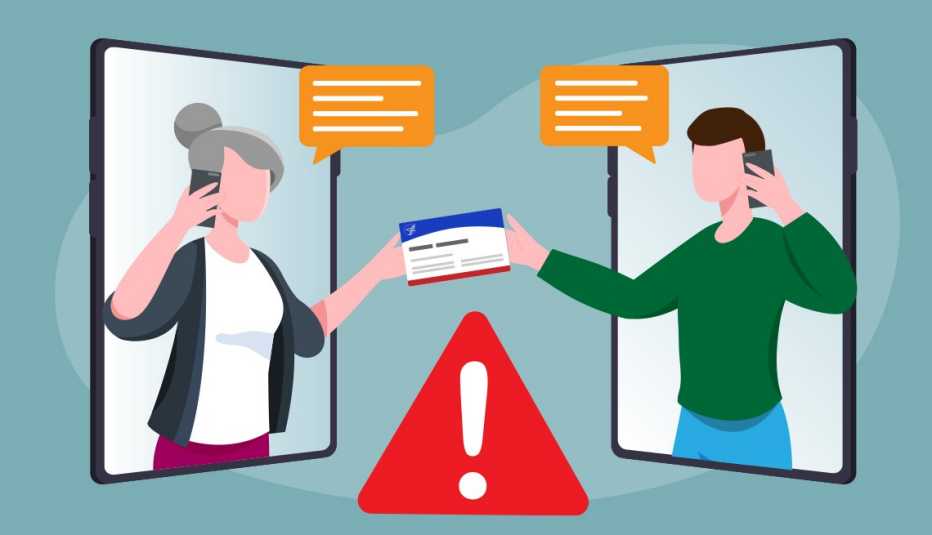
Medicare fraud drains billions of dollars from public healthcare funds each year. Whether it involves fake billing, unnecessary procedures, or identity theft, these dishonest practices affect honest beneficiaries and drive up healthcare costs. Recognizing and reporting suspicious activity is essential in stopping fraud and holding wrongdoers accountable.
Understanding how to report Medicare fraud ensures that fraudulent providers and scammers are exposed. By following the proper steps, individuals can help protect Medicare resources and prevent others from becoming victims of deceptive practices.
Common Signs That Indicate Medicare Fraud
Before taking action, it’s essential to identify the red flags. Fraudulent activities can take many forms, including:
- Being billed for services that were never received
- Charges for unnecessary tests or treatments
- Receiving medical equipment without requesting it
- Providers pressuring patients to share their Medicare information
- Unexpected changes in Medicare billing statements
Scammers often target beneficiaries through unsolicited calls, promising free medical services in exchange for their Medicare number. Staying vigilant and reviewing all medical statements can help detect fraud early.
Steps to Take Before Reporting Fraud
To ensure an effective report, gathering strong evidence is crucial. Individuals should keep a record of:
- Medical bills and Explanation of Benefits (EOB) statements
- Receipts for services received
- Names and contact details of healthcare providers
- Dates and descriptions of suspicious charges
Taking detailed notes about conversations with medical staff or billing departments can further strengthen a case. The more information provided, the easier for investigators to take action.
Where and How to Report Suspicious Activity
Once enough information is collected, the next step is to report it to the appropriate authorities. Medicare fraud can be reported through various channels, including:
- The Office of Inspector General (OIG) fraud hotline
- Medicare’s official helpline or online complaint form
- The Federal Trade Commission (FTC) for cases involving identity theft
- State Medicare Fraud Control Units (MFCUs)
Providing accurate details ensures a thorough investigation. Those unsure about the process can seek legal advice to ensure their claims are properly handled.
Legal Protections for Whistleblowers
Many people hesitate to report fraud due to fear of retaliation, but whistleblower laws offer protection. Federal and state laws safeguard individuals from job loss, harassment, and other negative consequences of exposing fraud. In some instances, whistleblowers may even receive financial rewards if their report leads to the recovery of stolen Medicare funds.
With these legal protections in place, individuals can report fraud with confidence. Consulting a whistleblower attorney can provide reassurance and guidance throughout the process.
Why Legal Assistance Can Strengthen a Medicare Fraud Case
Reporting Medicare fraud can be overwhelming, especially when dealing with large healthcare providers or complex billing schemes. Seeking legal assistance can make the process smoother and more effective. Experienced attorneys help individuals understand their rights, prepare strong reports, and ensure their claims reach the proper authorities.
Professional guidance can be invaluable for those who suspect fraud but feel unsure about the next steps. Legal experts can help build a strong case while protecting whistleblowers from potential risks.
Understanding how to report Medicare fraud is crucial in protecting healthcare resources and preventing financial losses. Individuals can help combat fraud by recognizing warning signs, collecting evidence, and filing a report with the proper authorities. With legal protections and expert guidance, reporting wrongdoing is possible and safer than ever.
