


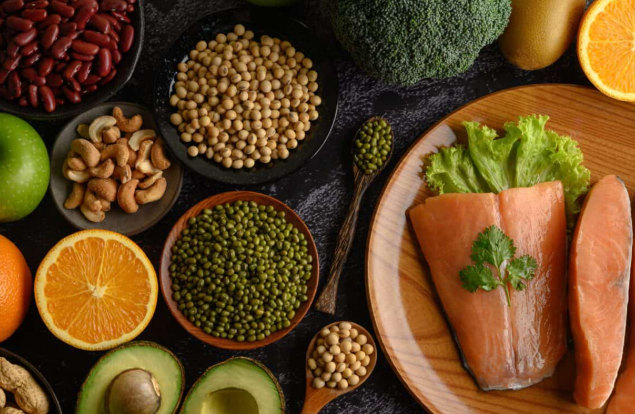
Protein is the building block of muscles, tissues, and many essential body functions. Including protein-rich foods in your diet is crucial for building muscle, maintaining energy levels, and staying healthy. Below, we’ll explore a variety of options to help you meet your protein needs.
Why Protein Matters for Muscle Growth and Energy
Protein is vital in repairing and building muscle tissue after physical activity. It also provides sustained energy, helping you power through your day without feeling drained. Consuming a variety of high-protein foods can support your fitness goals and overall health.
Protein Sources for Every Lifestyle
Animal-Based Protein Sources
1. Lean Meats
Lean meats like chicken, turkey, and beef are among the best protein sources. They provide all the essential amino acids your body needs for muscle repair and growth. To keep your meals healthy, opt for grilled or baked preparations.
2. Eggs
Eggs are a versatile and affordable protein source. Packed with essential nutrients like choline and vitamins, eggs are perfect for breakfast, snacks, or post-workout meals. Don’t shy away from the yolk—it’s full of nutrients.
3. Fish and Seafood
Fish like salmon, tuna, and mackerel are protein-rich and provide omega 3 fish oil , which are excellent for muscle recovery. Shellfish such as shrimp and scallops are also packed with protein and are low in fat.
4. Dairy Products
Milk, Greek yogurt, cottage cheese, and cheese are excellent sources of high-quality protein. Greek yogurt, in particular, contains more protein than regular yogurt, making it an ideal snack for muscle building.
Plant-Based Protein Sources
5. Legumes
Beans, lentils, and chickpeas are fantastic options for plant-based eaters. They are high in protein and fibre, keeping you full and energized throughout the day.
6. Nuts and Seeds
Almonds, walnuts, pumpkin, and sunflower seeds offer protein and healthy fats. Adding these to your meals or snacks is an easy way to boost your protein intake.
7. Tofu and Tempeh
Tofu and tempeh are soy-based protein sources that are incredibly versatile. They absorb flavours well, making them ideal for stir-fries, salads, and grilling.
8. Wole Grains
Quinoa, farro, and oatmeal aren’t just carbs; they also contain good protein. These grains can be paired with other protein-rich foods for a complete meal.
High-Protein Snacks and Supplements
9. Protein Bars
Look for bars that contain natural ingredients and at least 15 grams of protein per serving. These are perfect for on-the-go energy.
10. Protein Shakes
Protein shakes made with whey, casein, or plant-based powders are a convenient way to meet your daily protein requirements. Combine them with fruits and spinach for an added nutrient boost.
11. Jerky
Beef, turkey, or even vegan jerky options are rich in protein and make a satisfying snack. Choose varieties with minimal additives and preservatives.
Unexpected Sources of Protein
12. Vegetables
Yes, vegetables like broccoli, spinach, and Brussels sprouts contain protein. While their protein content isn’t as high as animal sources, they are still valuable contributors to a balanced diet. Additionally, supplements like organic maca root supplement (available at: https://www.amazon.com/
13. Spirulina
This algae is a powerhouse of nutrients, including protein. A tablespoon of spirulina powder can add a surprising amount of protein to smoothies and dishes.
14. Edamame
These green soybeans are a great appetizer or snack, offering significant plant-based protein.
Balancing Your Protein Intake
Balance is key to making the most of these 100 protein rich foods. Pairing high-protein options with complex carbohydrates and healthy fats creates meals that support sustained energy and muscle growth. Aim to distribute your protein intake evenly throughout the day for optimal results.
How Much Protein Do You Need?
The protein you need depends on your activity level, age, and goals. Generally, active individuals aiming for muscle growth should consume about 1.2 to 2 grams of protein per kilogram of body weight daily. Always consult a nutritionist or dietitian to determine the right amount for your needs.
Sample Meal Ideas
Breakfast: Protein-Packed Start
- Scrambled eggs with spinach and smoked salmon
- Greek yogurt topped with chia seeds and fresh berries
Lunch: Balanced and Filling
- Grilled chicken breast with quinoa and steamed broccoli
- Lentil soup with a side of whole-grain bread
Dinner: Nutrient-Rich End to the Day
- Baked salmon with roasted sweet potatoes and asparagus
- Stir-fried tofu with brown rice and mixed vegetables
Snacks: Quick Energy Boosts
- A handful of almonds and a boiled egg
- Edamame sprinkled with sea salt
Final Thoughts
Incorporating high-protein foods into your diet is essential for muscle growth and sustained energy. The choices are nearly endless, from lean meats and fish to plant-based options like lentils and quinoa. Explore these 100 protein-rich foods to find your favourites and fuel your body for success. Consistency is key, make protein a regular part of your meals and snacks to see the best results.
