
Flickering lights. Warm outlets. Breakers that trip for no obvious reason. These aren’t just annoying, they’re often early signs of deeper electrical problems. And in a city like Los Angeles, where housing ranges from nearly century-old bungalows to brand-new developments, these issues can appear in both old and new homes alike.
Electrical problems, even the ones that seem minor, should never be ignored. In the best-case scenario, they indicate the need for a simple fix. In the worst case, they’re warnings of fire risks, system overloads, or serious code violations. Knowing what to look for, and when to bring in a professional can protect your home, your safety, and your wallet.
Here’s what Los Angeles homeowners should know about identifying electrical issues and when to call an electrician in Los Angeles for expert help.
Why Electrical Problems Are Common in LA Homes
Electrical systems in Los Angeles homes vary widely in age and design. Older neighborhoods like Hancock Park or Highland Park may still have original knob-and-tube wiring or outdated fuse panels. On the other hand, newer homes may be overloaded with high-wattage appliances, solar integrations, and EV chargers all adding stress to modern panels.
In either case, signs of trouble often show up gradually. Recognizing them early can help you avoid dangerous or expensive outcomes later.
Common Signs of Electrical Problems
1. Flickering or Dimming Lights
This is one of the most frequent complaints, and it’s often dismissed as a “quirk.” But flickering lights can indicate loose wiring, overloaded circuits, or voltage fluctuations. If multiple lights dim when an appliance turns on, it could be a sign your system is struggling to distribute power evenly.
What to check:
- Is it one light or several?
- Does it happen only when large appliances start up?
- Are the bulbs and fixtures properly installed?
If the flickering is widespread or inconsistent, it’s time to call an electrician in Los Angeles to inspect the wiring and load capacity.
2. Tripped Circuit Breakers
Breakers are designed to trip when there’s an overload or fault in the system, it’s a safety feature, not a flaw. But frequent tripping is a red flag that something is wrong.
What to check:
- Are you using high-draw appliances like microwaves or portable heaters on the same circuit?
- Is there a pattern to the tripping (same time of day, same room)?
- Does the breaker reset and stay on, or does it trip again immediately?
If your breakers are tripping regularly, you may need a circuit reconfiguration or a panel upgrade. A licensed electrician in Los Angeles can evaluate whether your system is undersized or damaged.
3. Warm or Discolored Outlets and Switches
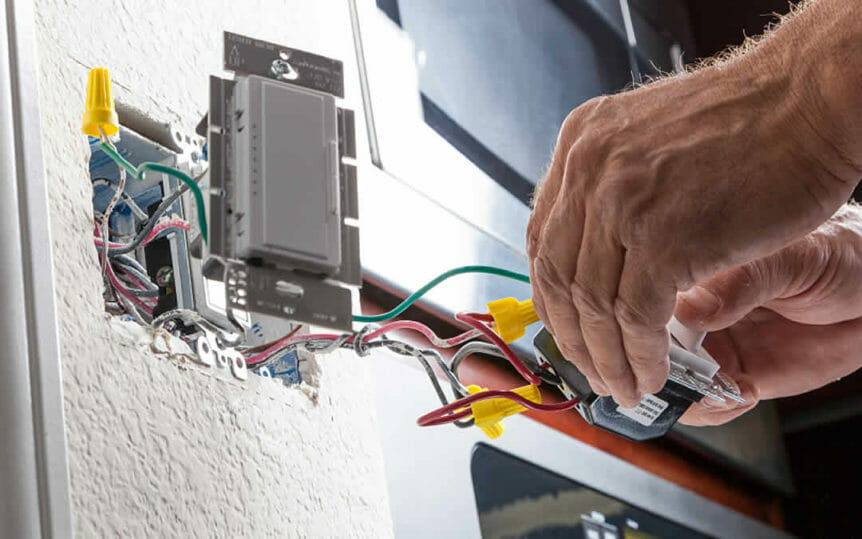
Heat is a warning sign of resistance, arcing, or overloaded wiring behind the walls. If an outlet or switch feels warm, has scorch marks, or smells like something is burning, turn off the circuit at the panel and call an electrician immediately.
Do not use the outlet or switch again until it’s been professionally inspected.
4. Buzzing or Crackling Sounds
Your electrical system should be silent. If you hear a faint buzzing from an outlet, switch, or breaker box, it might be a sign of loose connections or damaged wiring.
Electrical arcing—what happens when current jumps through air gaps is not just a fire risk, it can also permanently damage equipment.
5. Dead Outlets
Outlets that suddenly stop working, especially without tripping a breaker, could point to a loose wire or a failed connection. If GFCI outlets are involved, check if they’ve tripped and need a reset. If standard outlets aren’t working and no breaker is tripped, there may be a deeper wiring issue.
6. Burning Smells or Smoke
If you smell burning plastic or see smoke coming from any electrical fixture, turn off power immediately at the breaker and call a professional. This is a major safety hazard and often indicates a short circuit or wiring failure inside the wall.
7. Old Wiring or Panels
If your home still has a fuse box, aluminum wiring, or cloth-insulated wires, you’re overdue for an electrical evaluation. These components are not just outdated, they’re potential fire risks.
Many older Los Angeles homes were never designed to handle the amount of electrical demand seen today, especially with EV chargers, modern HVAC systems, and smart home devices.
What Homeowners Can Safely Do Before Calling a Pro
While most electrical work should be left to professionals, there are a few things homeowners can safely do to troubleshoot or rule out simple issues:
- Check bulbs and fixtures. Ensure the bulbs aren’t loose or mismatched in wattage.
- Reset tripped GFCI outlets. These may control multiple outlets, especially in kitchens or bathrooms.
- Look for obvious signs of damage. Cracked plates, bent prongs, or overloaded power strips can be clues.
- Label your breaker panel. This helps you isolate circuits if problems recur.
However, do not attempt to open the electrical panel, rewire fixtures, or replace breakers unless you are trained to do so. What seems like a simple job can quickly become dangerous.
Why Hire a Licensed Electrician in Los Angeles?
The electrical code is complex, especially in a city like LA with dense housing, seismic considerations, and strict permitting requirements. A licensed electrician in Los Angeles brings the experience and knowledge to:
- Diagnose issues safely and accurately
- Perform repairs that meet code and inspection standards
- Handle panel upgrades, rewiring, and subpanel installations
- Obtain necessary city permits and schedule inspections
- Avoid shortcuts that lead to long-term risks
Unlicensed or DIY work can lead to failed inspections, electrical fires, and in some cases, voided homeowner’s insurance.
When It Might Be Time for a Panel Upgrade
Sometimes recurring electrical issues point not to a malfunction, but to a system that’s simply too old or undersized. If your home has a 100-amp panel and you’re constantly blowing circuits or you plan to install solar, a home EV charger, or a heat pump you may need a 200-amp upgrade.
Upgrading your panel should always be done by a licensed professional. In Los Angeles, this includes permits and coordination with LADWP or Southern California Edison.
Final Thought
Electrical issues rarely fix themselves. The flickering lights or tripping breakers you notice today might be signs of bigger problems waiting to surface. In some cases, they’re warnings of imminent danger, especially if there’s heat, burning smells, or crackling sounds involved.
Don’t ignore the signs. And don’t rely on guesswork. If you’re seeing any of these symptoms in your home, the best move is to call a licensed electrician in Los Angeles who can safely evaluate, diagnose, and repair the issue.
In a city where safety codes are strict and for good reason, trusting your electrical work to a professional isn’t just smart. It’s essential.
